

Breaking gender stereotypes, woman from KP takes up prison job

1 / 3
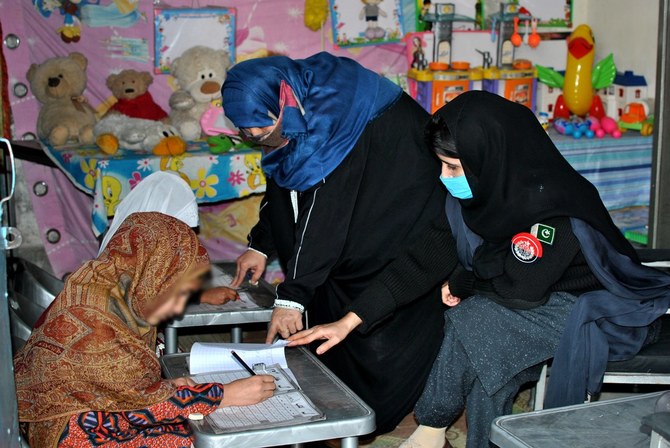
In Peshawar’s central jail, there are also some children who are living with their mothers. Iffat Shaheen is spending time with these kids on February 24, 2020, while they are being educated in the jail. (AN photo by Saba Rehman)
2 / 3
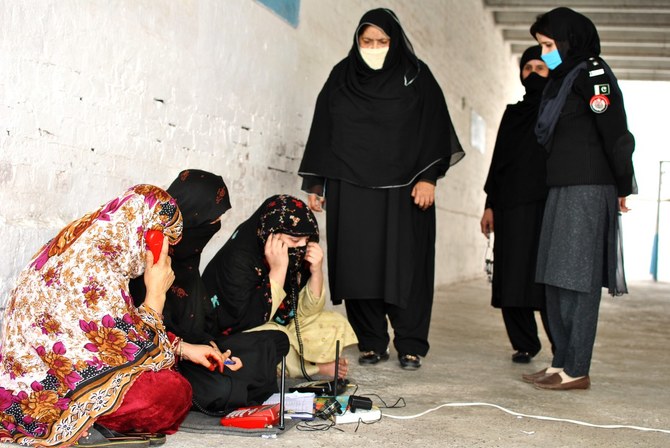
Prisoners can be seen calling their family members on February 24, 2020. (AN photo by Saba Rehman)
3 / 3
If any prisoner wants to read a newspaper, Iffat Shaheen provides it to them. Photo taken on February 24, 2020. (AN photo by Saba Rehman)
Short Url
Updated 26 February 2020
Follow

Breaking gender stereotypes, woman from KP takes up prison job

  • Iffat Shaheen belongs to a conservative family where girls are usually not educated
  • After doing LLB from Lahore, she decided to move into the male dominated occupation

PESHAWAR: Iffat Shaheen, a young Pashtun girl from Khyber Pakhtunkhwa’s conservative Karak district, holds a position of responsibility at Peshawar’s central jail. As the prison facility’s assistant superintendent, she has inspired many women by breaking gender stereotypes and moving into a male-dominated occupation. However, she says it was not an easy journey for her.

“Girls are normally not educated in my family,” she told Arab News on Monday. “Fortunately, this was not the case with me since my parents thought differently and decided to support me throughout my education career. They are both truly inspirational.”
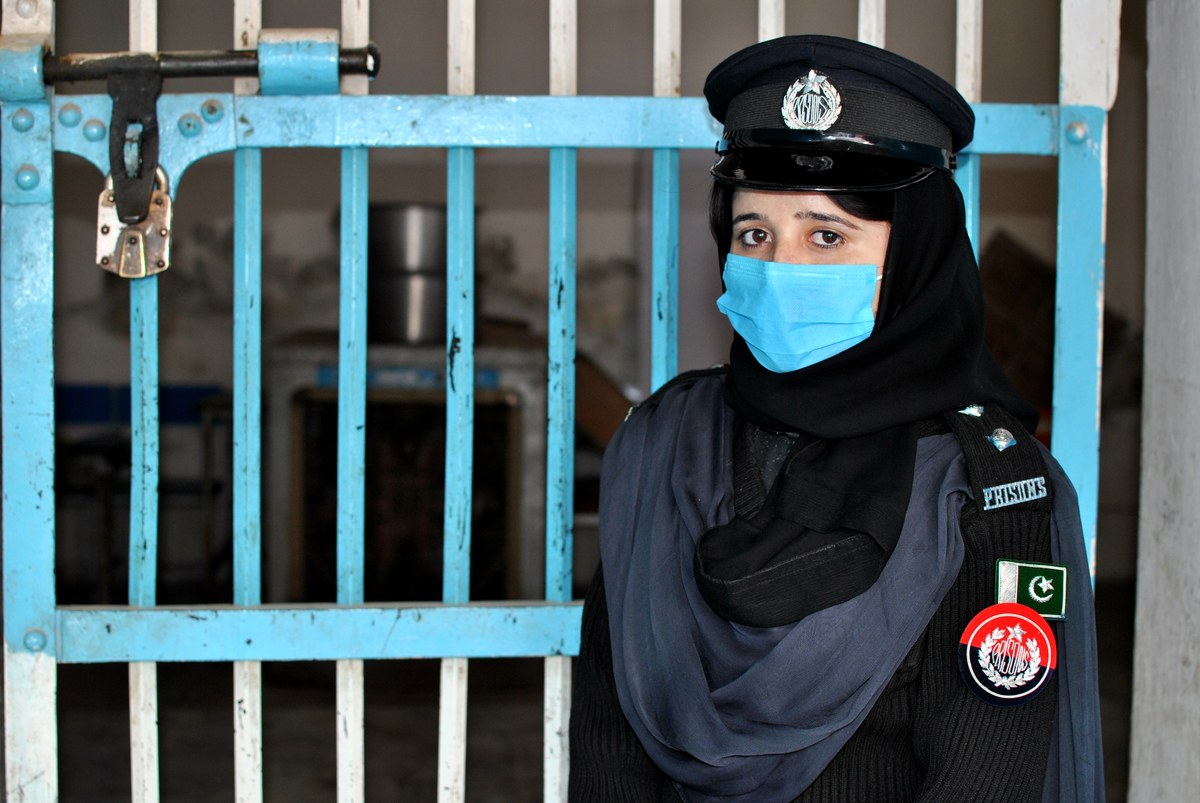


Iffat Shaheen can be seen standing in front of a prison cell on February 24, 2020. (AN photo by Saba Rehman)

After finishing her basic education, Shaheen chose to study law and finished her LLB degree from Punjab University. Currently, she is doing Masters of Law from the University of Lahore where she goes over the weekend to meet with faculty members and submit her coursework.

After successfully doing LLB, Shaheen decided to appear in the Khyber Pakhtunkhwa Public Service Commission examination and secured the position of Assistant Superintendent of Jail.

“Securing a job in the prison department was not easy,” she added. “Many people get nervous while thinking about the idea of working with a penitentiary, but I never liked normal jobs and was always interested in doing something special and unique. So I refused the offer to work with the social welfare department and opted for the employment opportunity at the prison facility.”

Regardless of the doubters and naysayers, Shaheen overcame social obstacles and setbacks and managed to live her dream. She even motivated the inmates to think positively and strive for a better future.

“She is very cooperative and gives us respect,” said a female prisoner who requested not to be named. “We discuss our problem with her and she always tries to solve them.” 
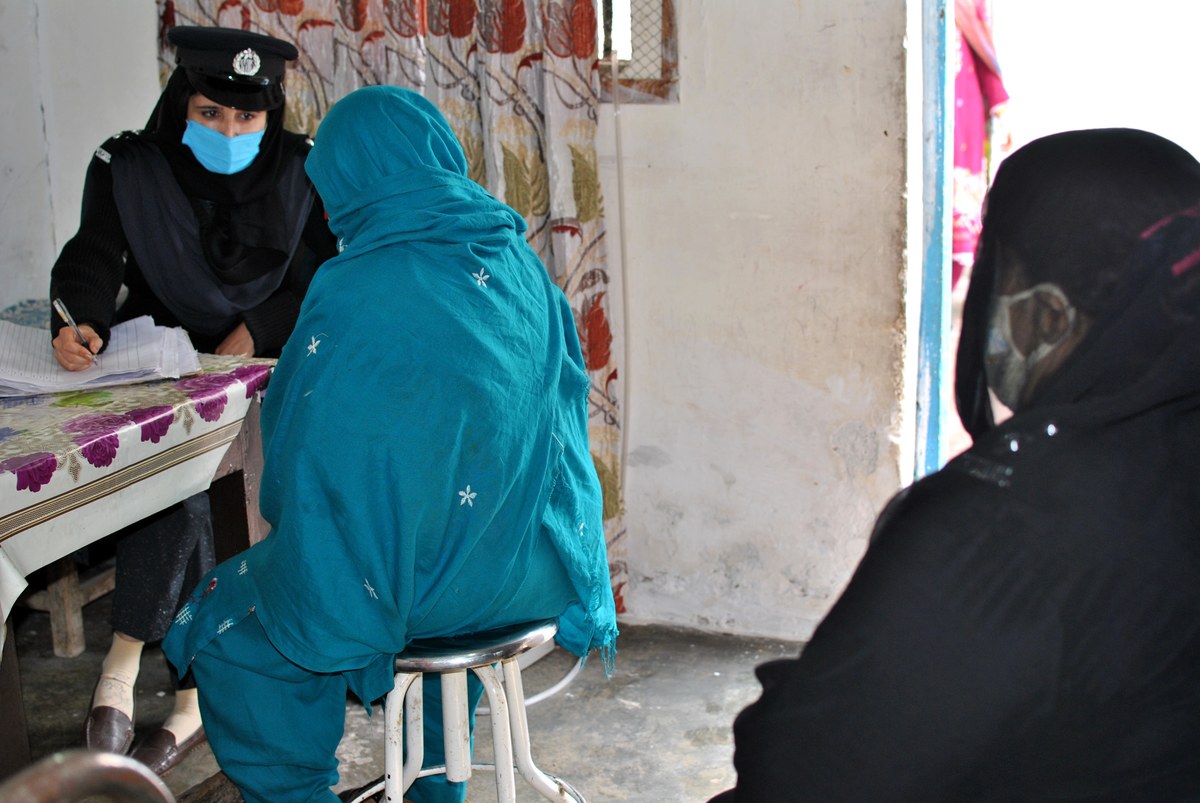


Iffat Shaheen can be seen at the beginning of the day as she enters the names of new prisoners in a register on February 24, 2020. (AN photo by Saba Rehman)
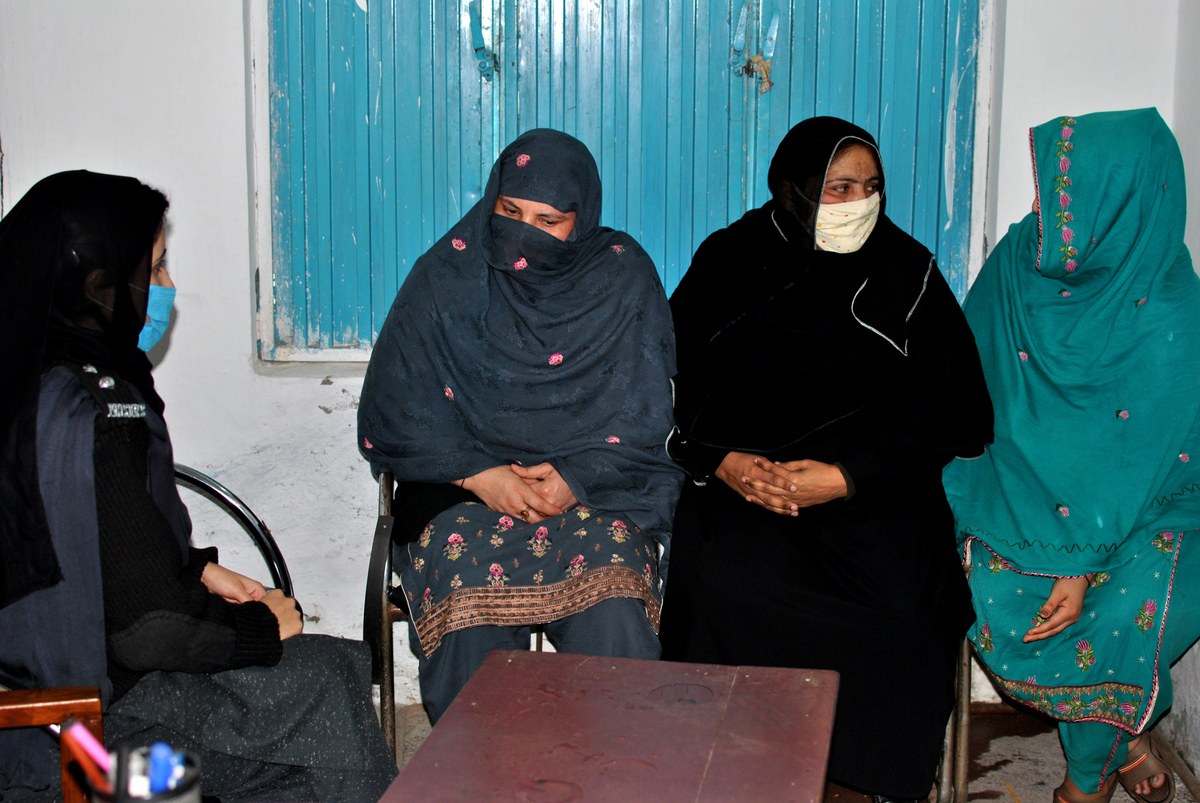


 Iffat Shaheen is holding a meeting with senior warden and other members of the administrative staff at the prison in Peshawar on February 24, 2020. (AN photo by Saba Rehman)
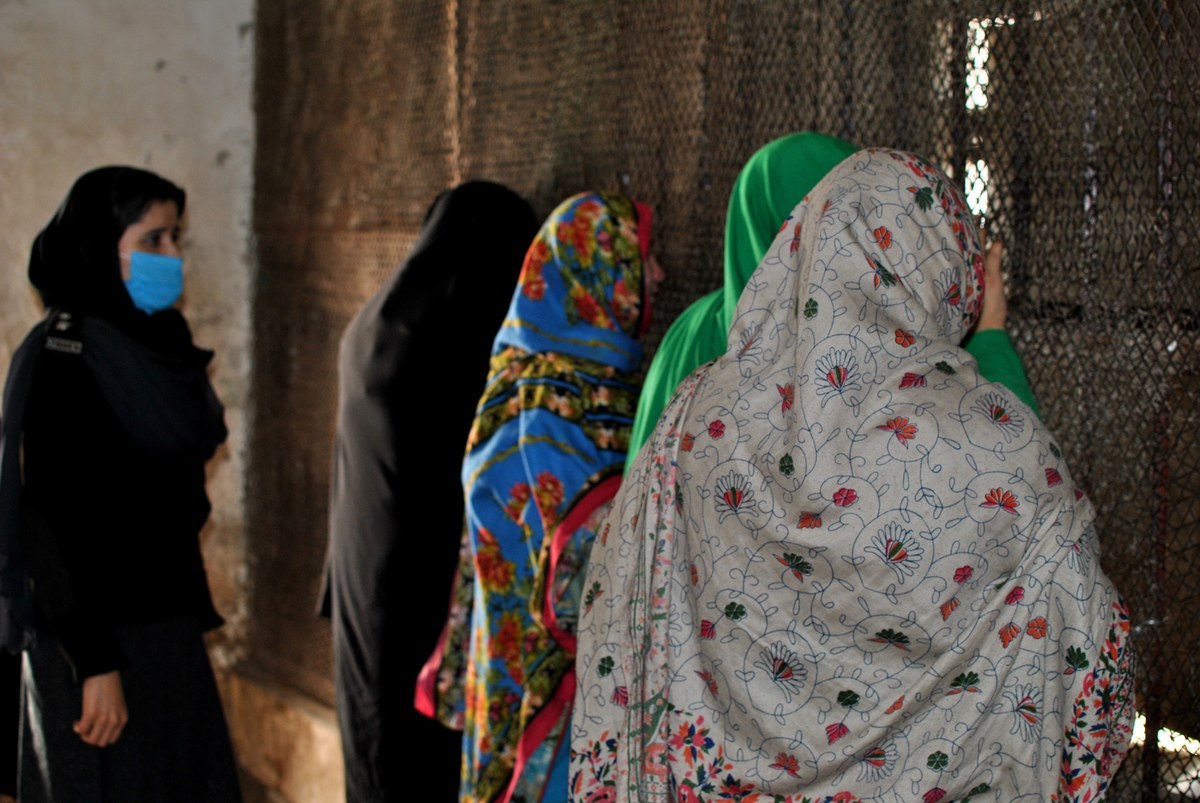


Iffat Shaheen keeps a watchful eye on prisoners as they interact with their relatives on February 24, 2020. (AN photo by Saba Rehman)
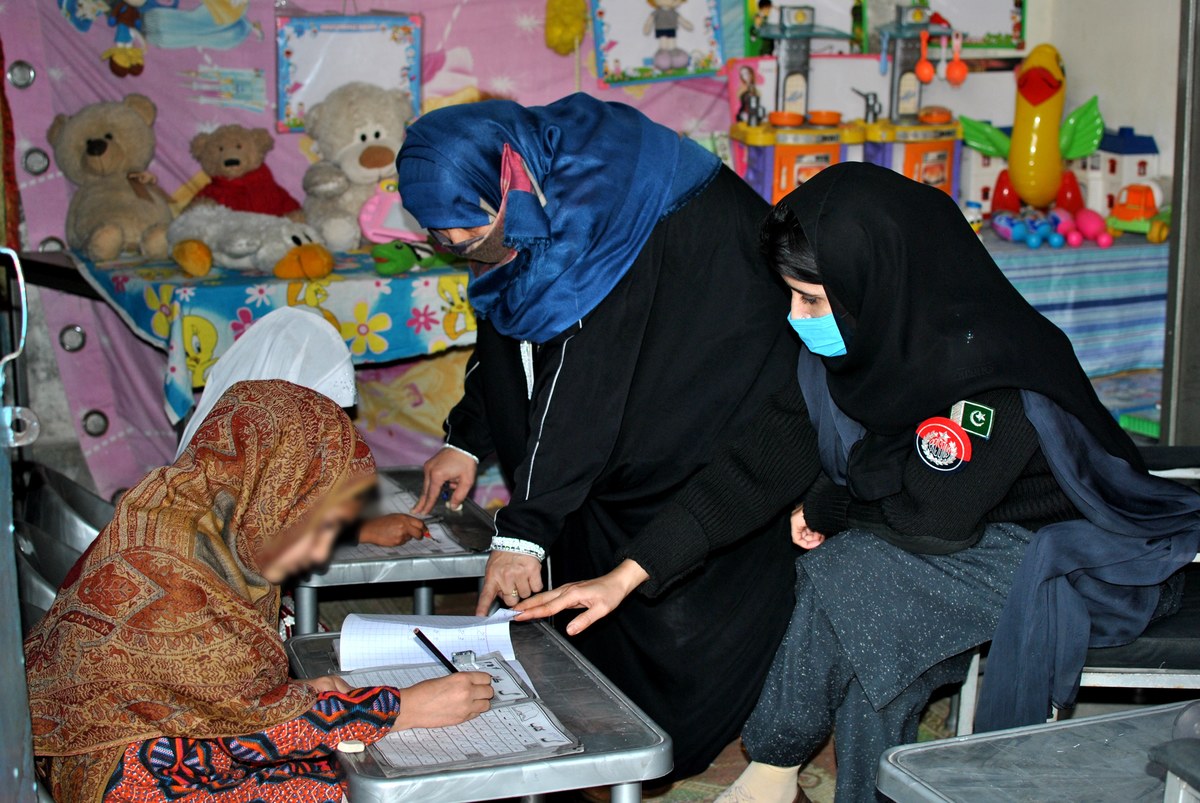


 In Peshawar’s central jail, there are also some children who are living with their mothers. Iffat Shaheen is spending time with these kids on February 24, 2020, while they are being educated in the jail. (AN photo by Saba Rehman)
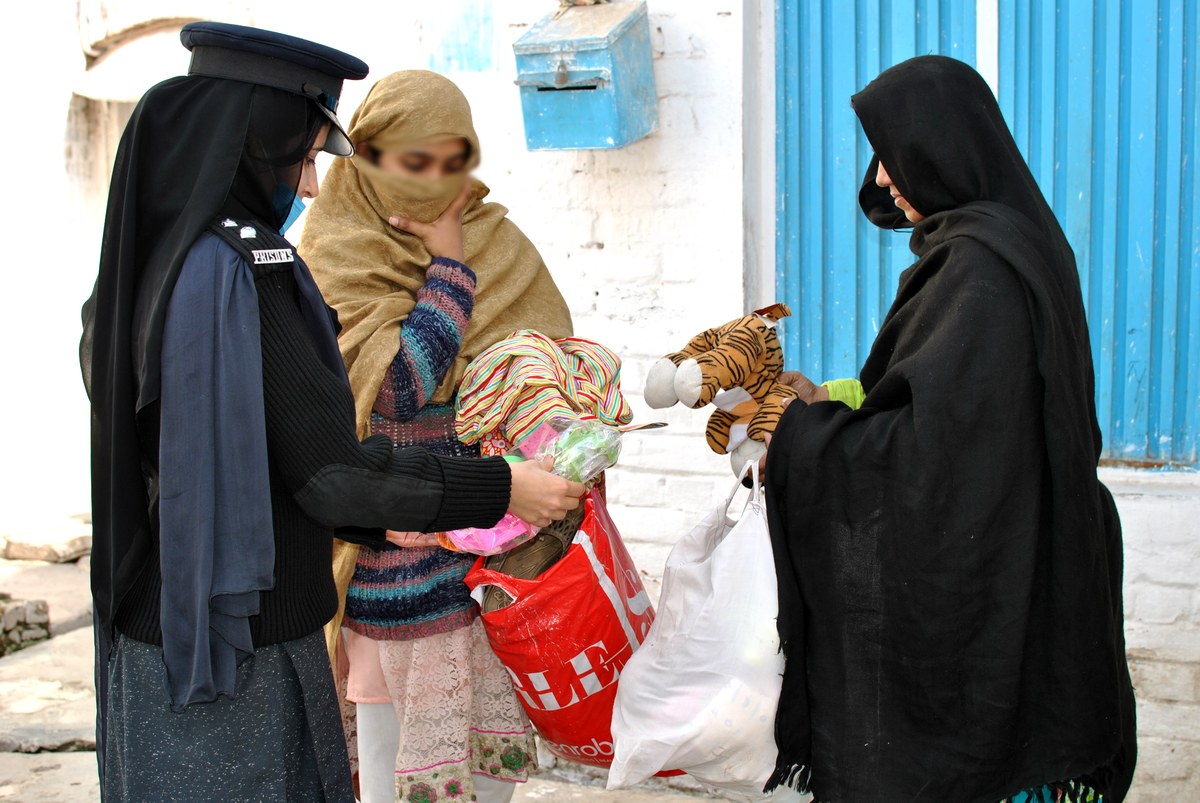


Relatives of prisoners usually bring presents with them. In this picture, Iffat Shaheen can be seen scrutinizing these items before allowing the inmates to take them to their barracks on February 24, 2020. (AN photo by Saba Rehman)
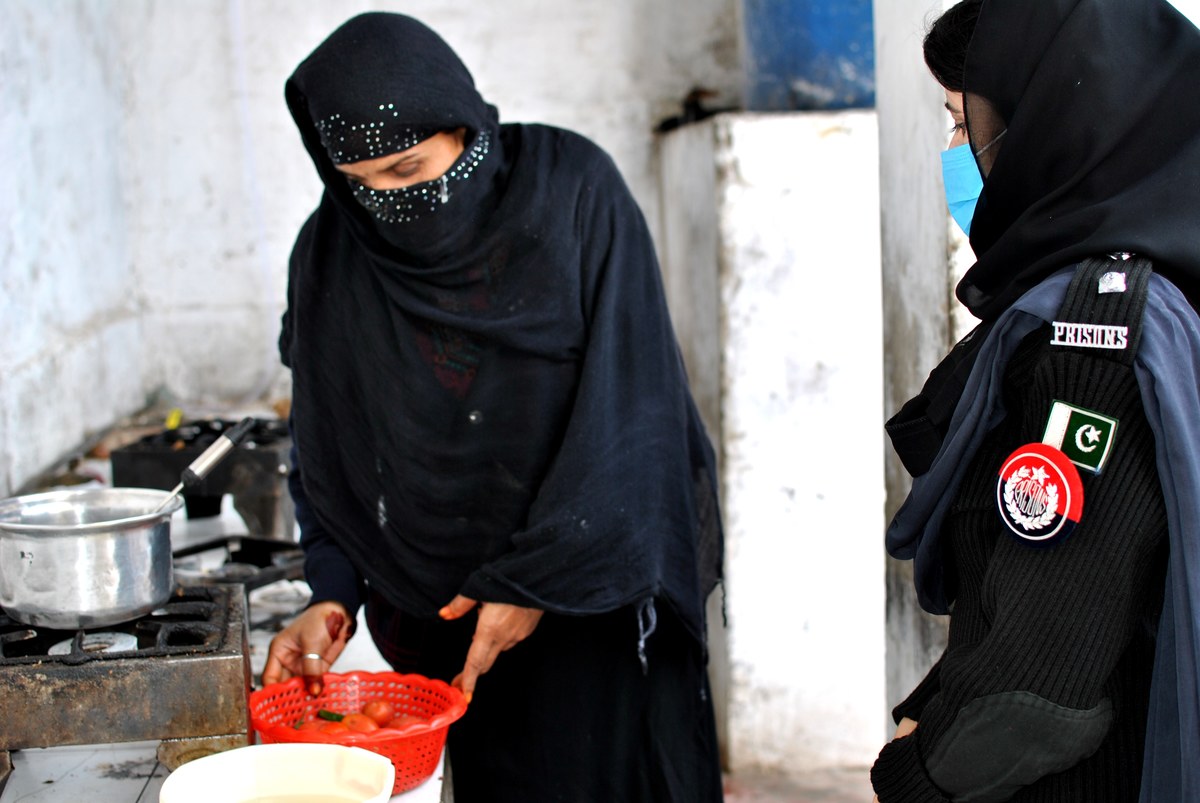


Prisoners can cook for themselves, though they are also provided three meals a day. Photo taken on February 24, 2020. (AN photo by Saba Rehman)
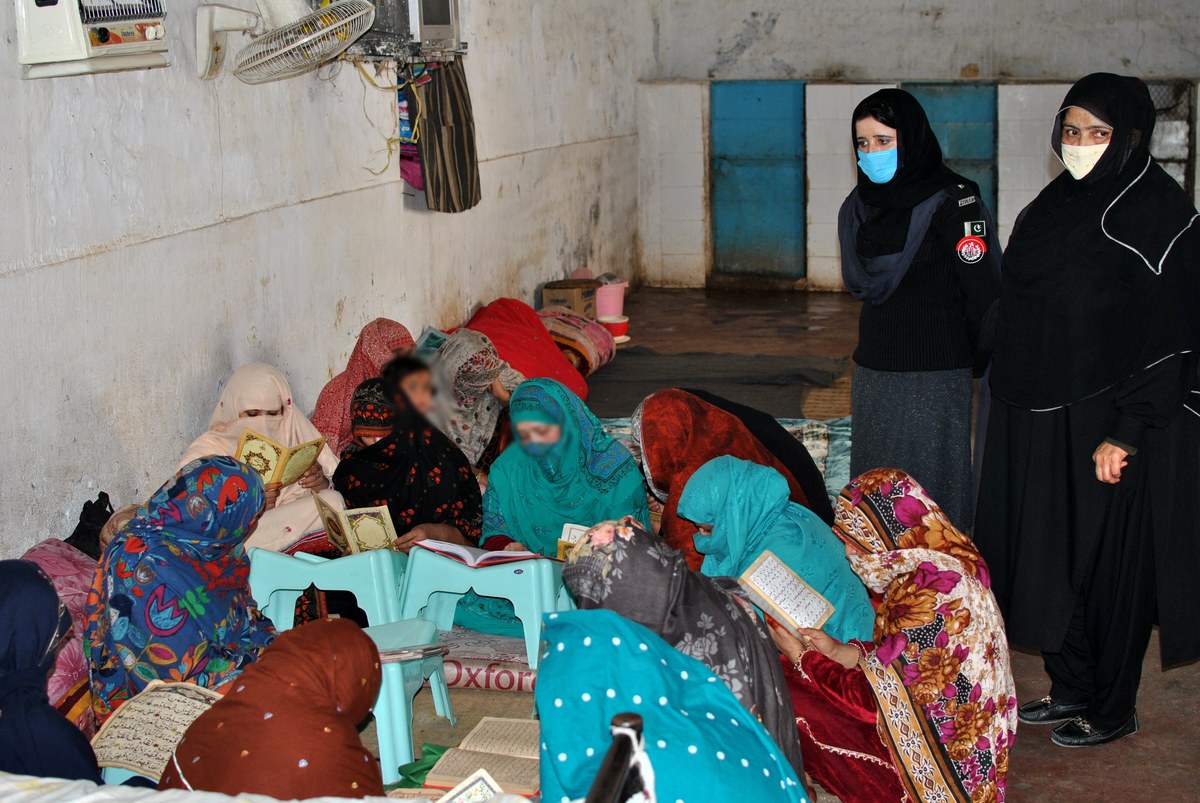


Every morning, prisoners are taught how to read and benefit from the Quran and hadith. Photo taken on February 24, 2020. (AN photo by Saba Rehman)
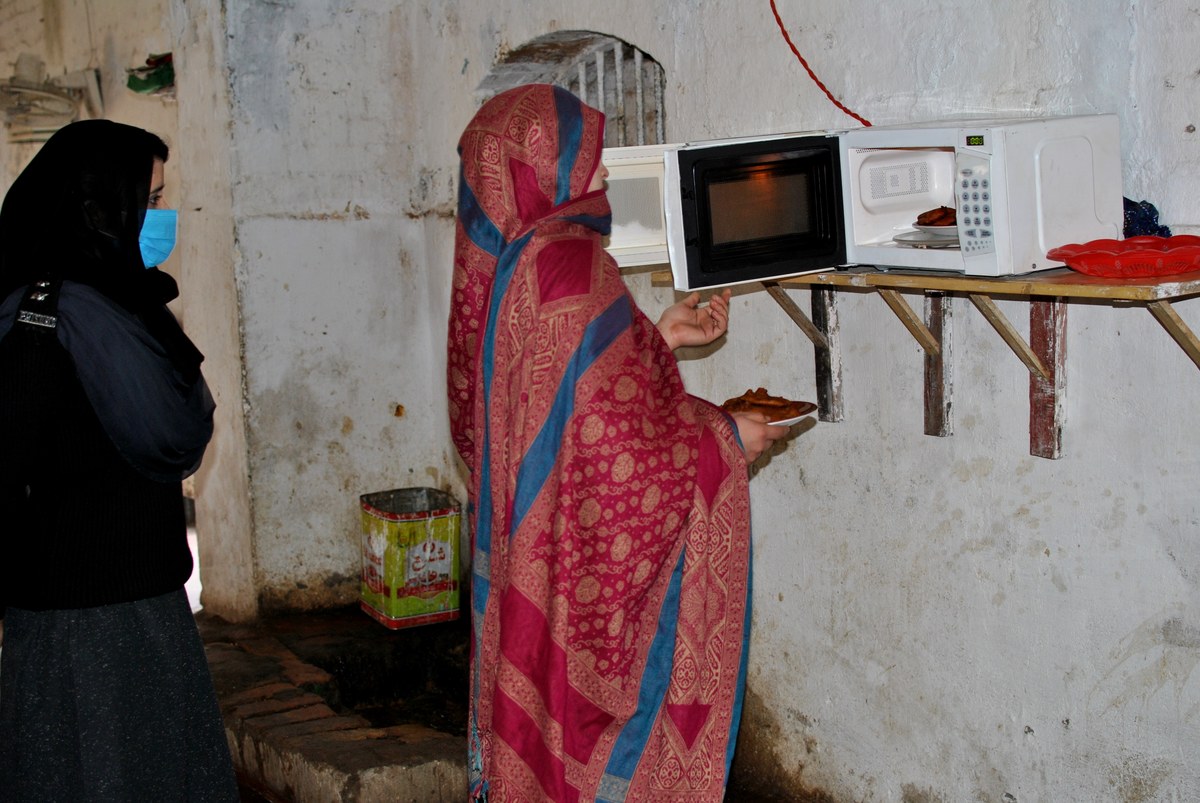


Inside the barracks, there are microwave ovens that can be used by inmates. Photo taken on February 24, 2020. (AN photo by Saba Rehman)
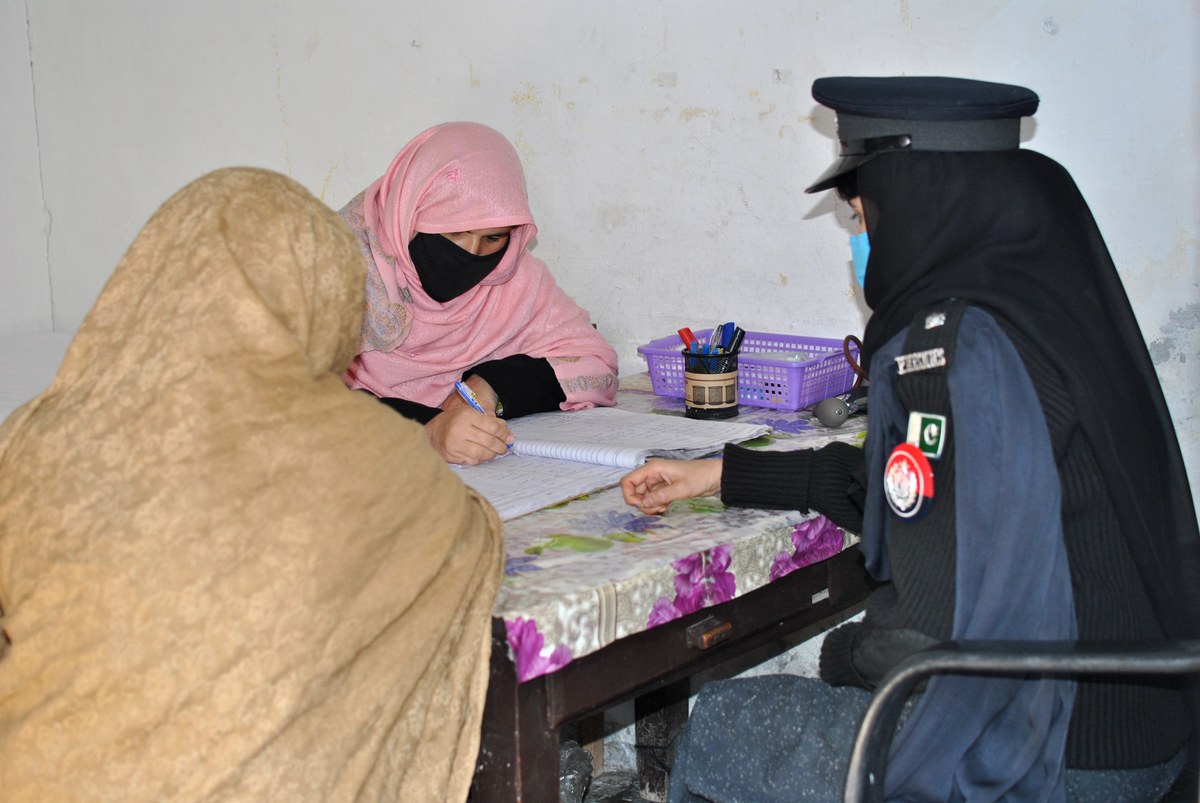


Iffat Shaheen is supervising regular medical checkup of female prisoners in the jail on February 24, 2020. The medical examination is being conducted by a lady health worker. (AN photo by Saba Rehman)
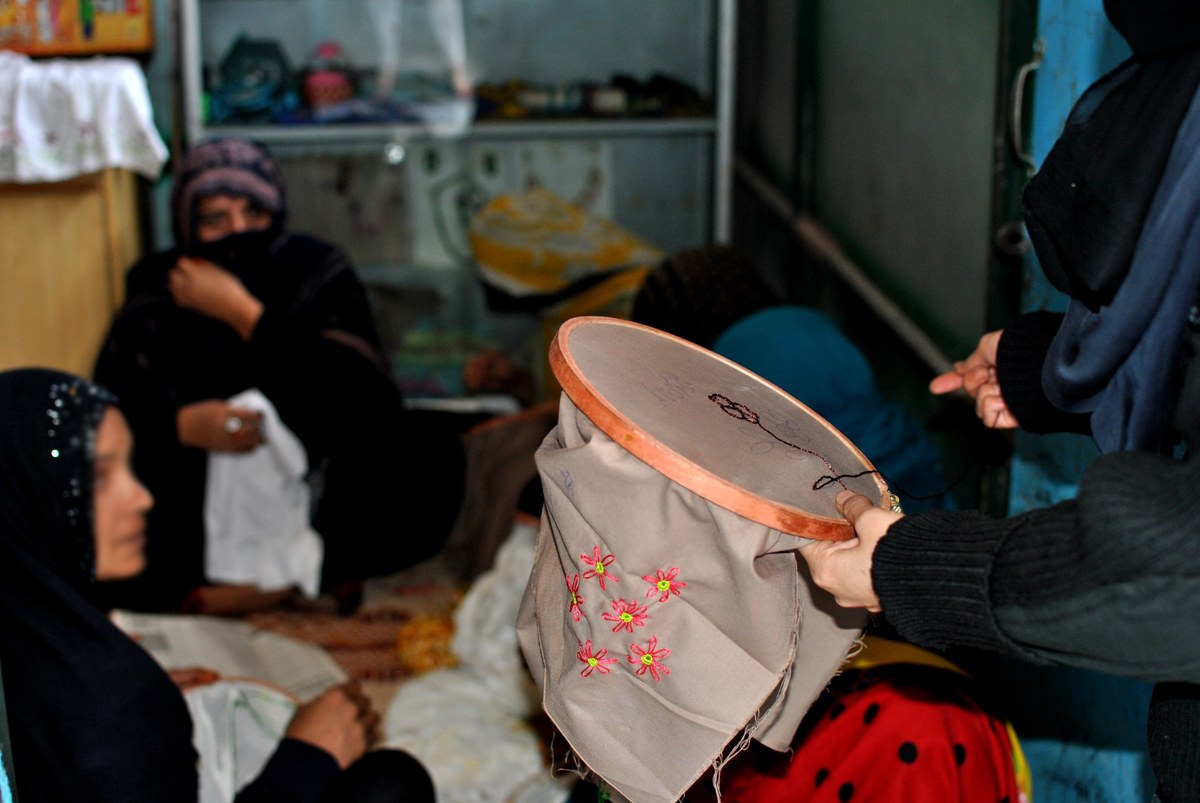


Inside Peshawar’s central jail, prisoners are taught how to knit and sew. Photo taken on February 24, 2020. (AN photo by Saba Rehman)
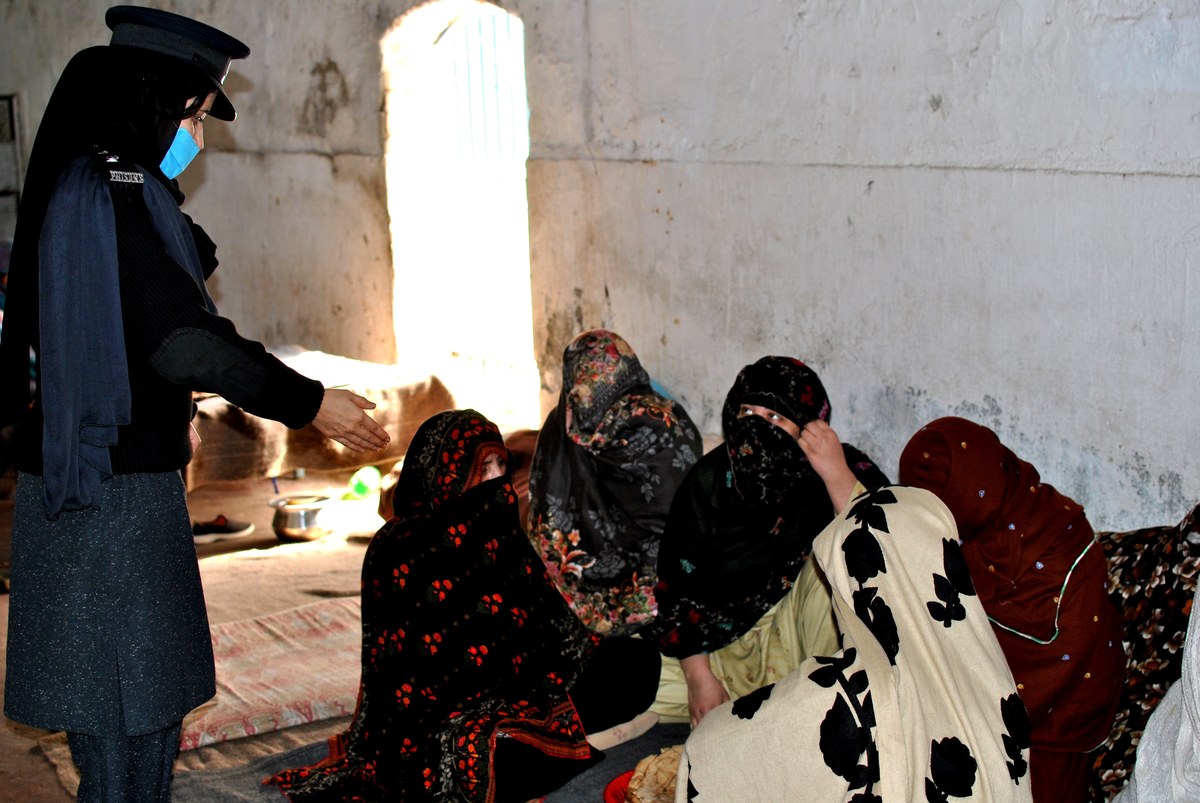


Iffat Shaheen is asking female prisoners about the quality of food on February 24, 2020. (AN photo by Saba Rehman)




Pakistan’s president defends ongoing strikes in Afghanistan, urges Kabul to dismantle militants

Updated 02 March 2026
Follow

Pakistan’s president defends ongoing strikes in Afghanistan, urges Kabul to dismantle militants

  • Afghanistan on Thursday launched attacks in retaliation for Pakistani airstrikes the previous Sunday
  • Pakistan’s military says it is only targeting Afghan military installations to avoid civilian casualties

ISLAMABAD: Pakistan’s president on Monday defended his country’s ongoing military strikes in neighboring Afghanistan, saying Islamabad tried all forms of diplomacy before targeting militants operating from Afghan territory, and called on the Taliban government in Kabul to disarm groups responsible for attacks in Pakistan.

Pakistan earlier said it is in “open war” with Afghanistan, alarming the international community. The border area remains a stronghold for militant organizations including Al-Qaeda and the Daesh (Islamic State) group.

“(The Afghan Taliban) must choose to dismantle the terror groups that survive on conflict and its war economy,” Asif Ali Zardari said during a speech to lawmakers, adding that “no state accepts serial attacks on its soil.”

Afghanistan on Thursday launched attacks in retaliation for Pakistani airstrikes the previous Sunday. Since then, Pakistan has carried out operations along the border, with Information Minister Attaullah Tarar claiming the killing of 435 Afghan forces and the capture of 31 Afghan positions.

Kabul has denied such claims.

In Afghanistan, the deputy government spokesman Hamdullah Fitrat said Pakistan’s military fired mortar shells at a refugee camp in eastern Kunar province, killing three children and injuring three others.

Afghanistan’s defense ministry said Afghan forces carried out strikes targeting a Pakistani military facility near Paktia province, causing “substantial losses and heavy casualties.”

Pakistan’s military did not respond to questions. It has said Pakistan is only targeting Afghan military installations to avoid civilian casualties.

Pakistan has witnessed a surge of violence in recent months and blames it on the outlawed Pakistani Taliban, known as Tehreek-e-Taliban Pakistan or TTP. It operates both inside Pakistan and from Afghan territory.
Islamabad accuses Afghanistan’s Taliban government of providing safe havens for the TTP, which Kabul denies.

The latest cross-border fighting ended a ceasefire brokered by Qatar and Turkiye in October. The two sides failed to reach a permanent agreement during talks in Istanbul.

Zardari reiterated Pakistan’s call for talks, saying, “We have never walked away from dialogue.”

The Pakistani leader again accused Afghanistan of acting as a proxy for India by sheltering militant groups.

“Stop being used by another country as a battlefield for their ambitions,” he said.

Zardari cited a recent report from the United Nations Security Council’s monitoring team that described the presence of militant groups in Afghanistan as an extra-regional threat.