

RIYADH: Living in Saudi Arabia as an American might not be quite as difficult as people think it is. Despite the differences in culture, the language barrier, and the new rules one must adapt to, life in the Kingdom can be perfectly pleasant for our American friends. Just ask them, as we did.
Saudi Arabia has had a prosperous and fruitful relationship with the US since the early 1930s. One of the biggest and most well-known examples of this is through Aramco, the world-famous oil company.
When Aramco was first founded, most of its employees were Americans who relocated to Saudi Arabia to assist the country with its oil boom. The children of these employees formed an organization called the Aramco Brats in 1996 to promote fellowship among those who were born, raised, educated, or lived in Saudi Arabia. The organization hosts reunions every year, sends out newsletters on a regular basis, and even offers help with getting birth certificates and other official documents.
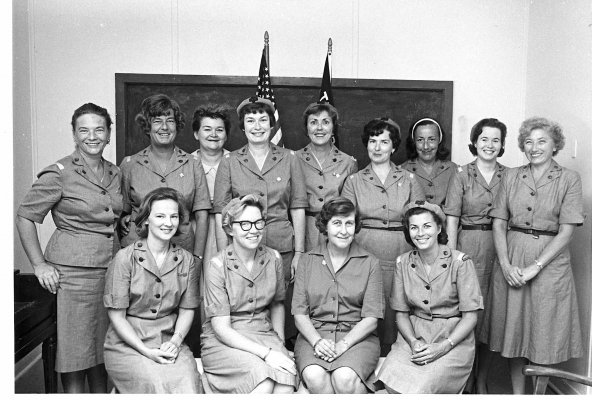
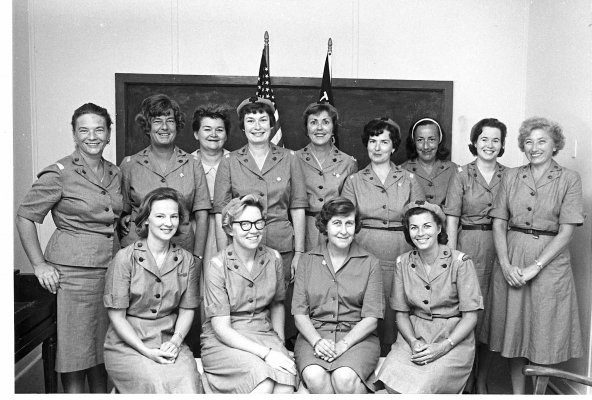
Dhahran Girl Scout Den Mothers in the late 1960s. (Supplied)
Alison Hooker, publicity manager of Aramco’s expat reunion, arrived in Dhahran in Dec. 2006. “My husband Nigel, a paleontologist, was offered a job with Aramco in exploration, and we felt it would be a great adventure for our family, as our kids were the right age (nine and 11) to appreciate and benefit from living in another country and culture,” she told Arab News.
She said her impressions of Saudi Arabia had changed considerably in the 13 years she has been in the country.
Opinion
This section contains relevant reference points, placed in (Opinion field)
“My first impression was of rules and restrictions – you can’t do this, you can’t go there, you can’t take photographs, you can’t drive (as a woman), feeling ignorant and uncomfortable as a Westerner about how to behave appropriately in Saudi company, and trying not to enter a coffee shop through the wrong door.”
With the help of Saudi friends, who shared their culture and faith with her, she gained a much deeper understanding, respect for and appreciation of life in the Kingdom. “Now, it feels like coming home. Where I once felt anxiety on arrival, I now feel a sense of connection.”
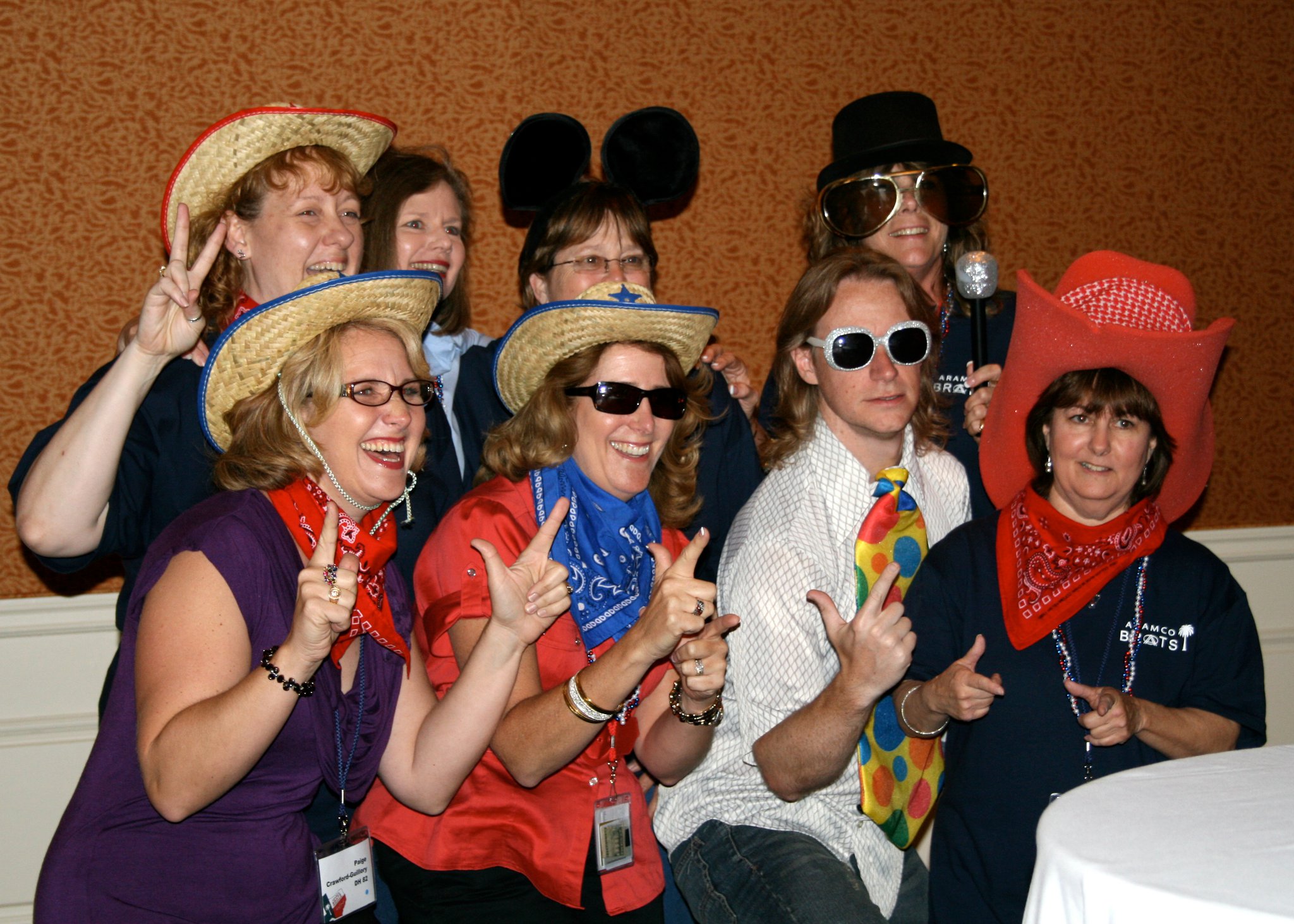
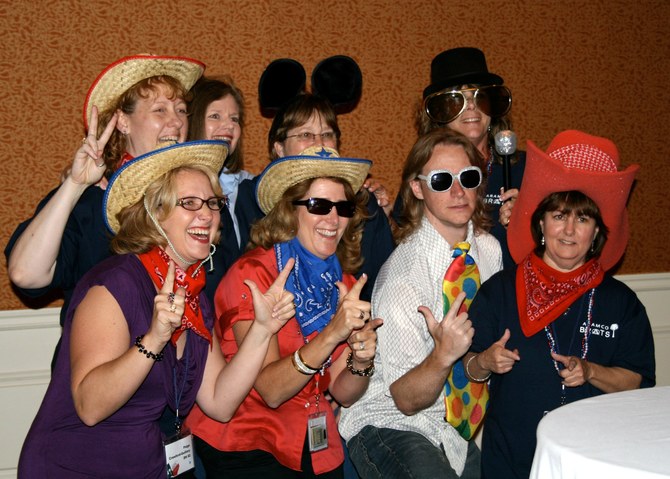
A 2011 reunion of the Aramco Brats. (Supplied)
In 2014, the King Abdulaziz Foundation for Research and Archives published a book of anecdotes by Americans who had spent time in Saudi Arabia between 1938 and 1998. Titled “Forever Friends,” the book is full of stories about childhoods spent becoming friends with princesses, receiving gold coins from kings and overcoming language barriers to build lasting friendships.
John MacKenzie, who lived in Saudi Arabia from 1950 to 1970, wrote: “Never again in my life did I experience such hospitality. I shall never forget the scent of rose water, the taste of sweet dates and goat’s milk as long as I live.”
But the connection between the two countries does not stop there. Many Americans still make their home in Saudi Arabia, and not just on its east coast.
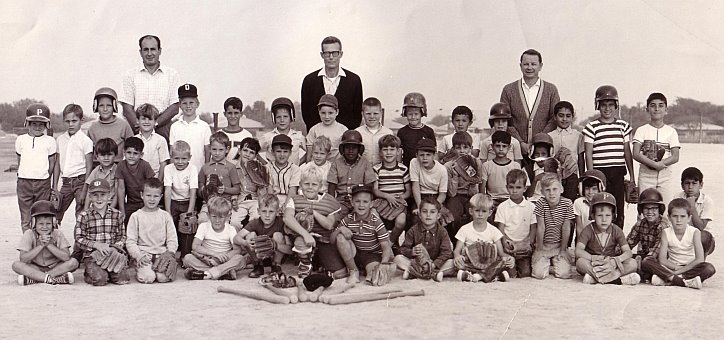
A 1969 photograph of a youth baseball team from Dhahran. (Supplied)
Dr. Alia Mitchell, vice dean of the College of Humanities at Prince Sultan University, has been living in Saudi Arabia for 20 years. She moved to the Kingdom in 1998 from the US and, barring one year spent in the UAE, she has lived in Riyadh that entire time.
As a Muslim, Mitchell thinks that the environment in Saudi Arabia suits her perfectly and she finds it difficult to imagine living anywhere else. “It’s home for me,” she told Arab News.
As far as how much Saudi Arabia has changed since her arrival, Mitchell said it was “an easy, yet difficult question” to answer.
“Over 20 years, anywhere you live, you’re going to see changes in society. Now with all the new policies geared toward empowering women, it’s giving a greater chance and opportunity for women to excel and be recognized for their hard work.”
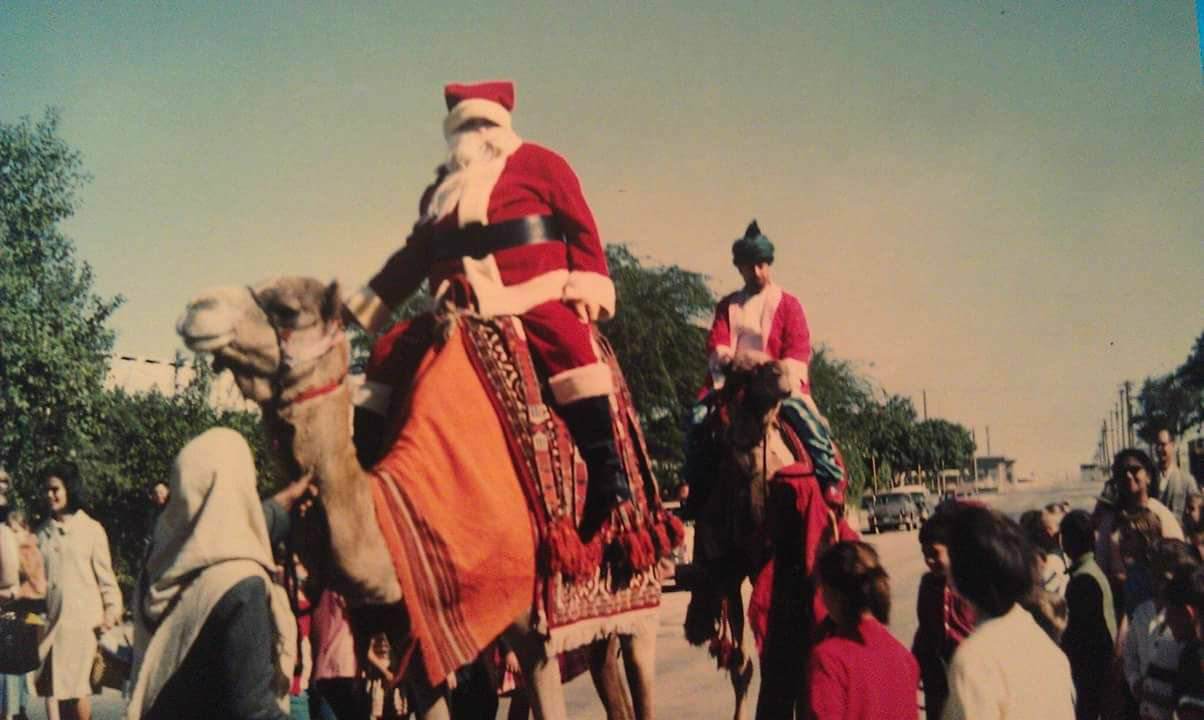
Santa Claus arrives at one of the Aramco camps for a Christmas in the late 1960s. (Supplied)
Mitchell thinks the most amazing change was seeing the leap in the quality of education and literacy. “Back when I was in grad school and doing research, I looked at the literacy rate in Saudi Arabia as one of the countries I was interested in coming to when I finished my studies. In a lot of other countries, it takes a much longer time to raise the literacy rate, but Saudi Arabia was able to do it at a much faster pace,” she said.
She commends the hard work that has gone into raising the country’s quality of education overall.
“It’s not just about sitting in a classroom and getting your certificate and stopping there. They want to make certain that there are qualified individuals that go out into society to improve conditions.”