

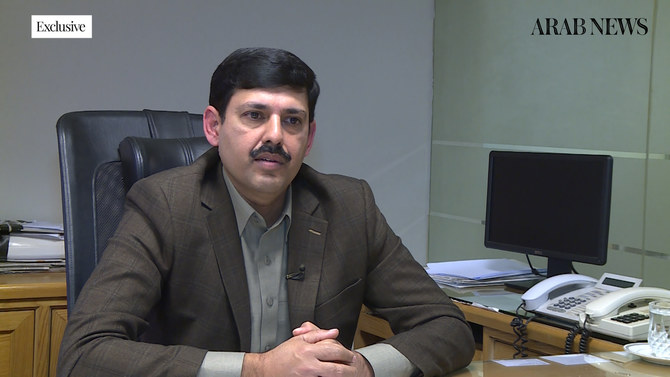

ISLAMABAD: In order to meet compliance requirements of the world’s top antiterrorism and money laundering monitoring watchdog, Pakistan’s Central Directorate of National Savings will transition from an analog to a digital management system within three years, a senior official at the directorate said on Tuesday.
In 2018, the Financial Action Task Force (FATF) placed Pakistan on a gray list of countries with inadequate controls over terrorism financing. It must now comply with a list of 40 recommendations or face blacklisting.
If blacklisted, Islamabad faces financial consequences and economic setbacks at a time when its economy is facing a balance of payment crisis.
FATF will hold its plenary session in Paris next month to decide Pakistan’s fate.
“The Financial Infrastructure and Inclusion Project (FIIP) of the World Bank is providing a management information system (and) enterprise resource solution which will allow the transition from analog to digital,” CDNS director Kamran Anwar told Arab News. “Within two or three years all branches will be digitized.”
“We have promulgated the AML/CFT (Anti Money Laundering/ Combating the Financing of Terrorism) rules 2019 to effectively implement the legal cover and FATF recommendations,” Anwar said when asked what measures CDNS has taken to meet FATF requirements.
“Since we lack technical expertise, we have decided to acquire the services from an AML/CFT compliant bank and have floated an Expression of Interest to banks to help us setup and train (employees) according to the (FATF) requirements,” the director added.
Part of CDNS’ efforts at meeting FATF requirements include setting up a customer checking system.
Regulators and banks see these so-called “know your customer” (KYC) checks as a safeguard against money laundering as the process of verifying the identity of customers, companies and business associates can help banks to spot or monitor suspicious clients.
“We are in the process of automation and that’s why we have published an expression of interest for KYC (Know Your Customer) implementation. requesting (the expertise of) banks,” Anwar said, adding that 223 CDNS branches had been automated and 153 would be done through a Britain Department for International Development project in the next two years.
“Then the basic input towards completing KYC will be done. On the front end we will hire a bank to deploy the setup for KYC. At the moment our automation system has been setup in 223 branches but for the KYC setup we will engage the bank in the first instance,” Anwar said.
He said CDNS would also work with Pakistan’s National Database and Registration Authority for screening, credentialing, verification, and monitoring processes.
“On the frontend this [NADRA] biometric system will be deployed by the bank and our staff will be trained and then the same procedures will be replicated in other branches.”
“In the proposed plan, all requirements of the FATF according to the AML/CFT rules have been given legal cover and once the setup is deployed by an AML/CFT compliant bank, all things required for KYC will be implemented which has already been updated in our rules.”
“Thumb impression through biometric scan, system generated information, and NADRA’s Verisys are inbuilt into the complaint procedure but as technology improves, we will improve our systems at our branches,” Anwar said.
The state-run national savings organization works under the Ministry of Finance, with 12 regional directorates and 376 national saving centers. It manages a portfolio of Rs. four trillion and maintains a customer base of seven million people, of which 4 million are unique investors, according to the CDS. The national savings scheme provides risk free investment opportunities to its clients, the general public, and specialized groups such as pensioners, widows, citizens, special persons and martyrs.


