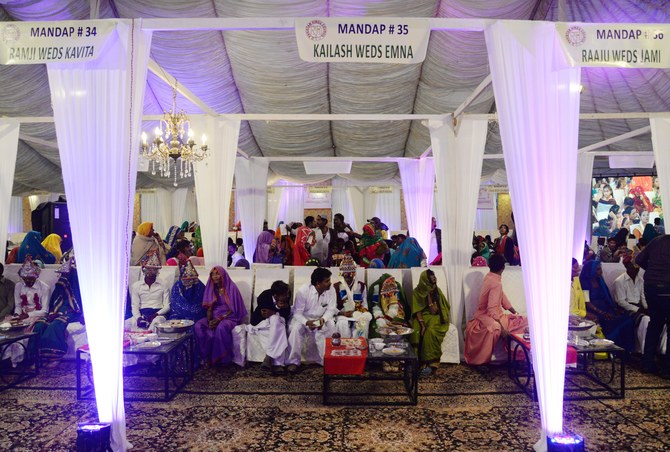
80 Hindu couples tie the knot at mass wedding in Karachi

1 / 17
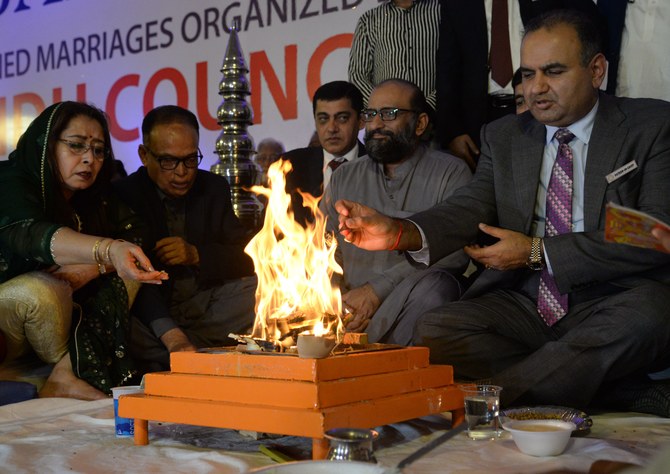
Faisal Edhi, Chairman of the Edhi Foundation, takes part in one of the most important rituals of a Hindu marriage during a mass wedding at the Railway Ground in Karachi on January 26, 2020. (AN Photo by S.A. Babar)
2 / 17
Eighty couples got married during a mass wedding at the Railway Ground in Karachi on January 26, 2020. (AN Photo by S.A. Babar)
3 / 17
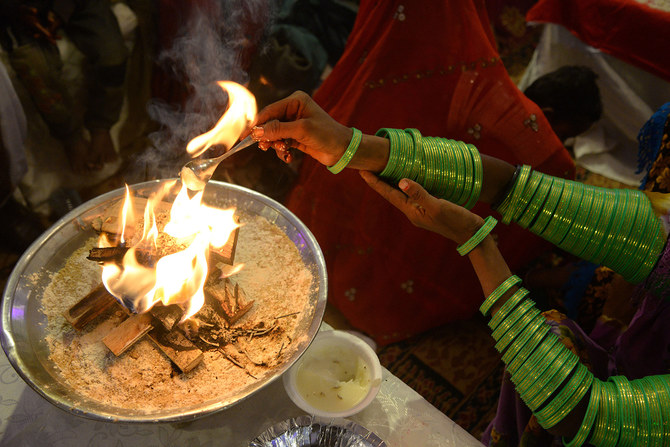
A woman pours ghee or clarified butter during a ritual as part of a mass wedding for 80 Hindu couples at the Railway grounds in Karachi on January 26, 2020. (AN Photo by S.A. Babar)
4 / 17
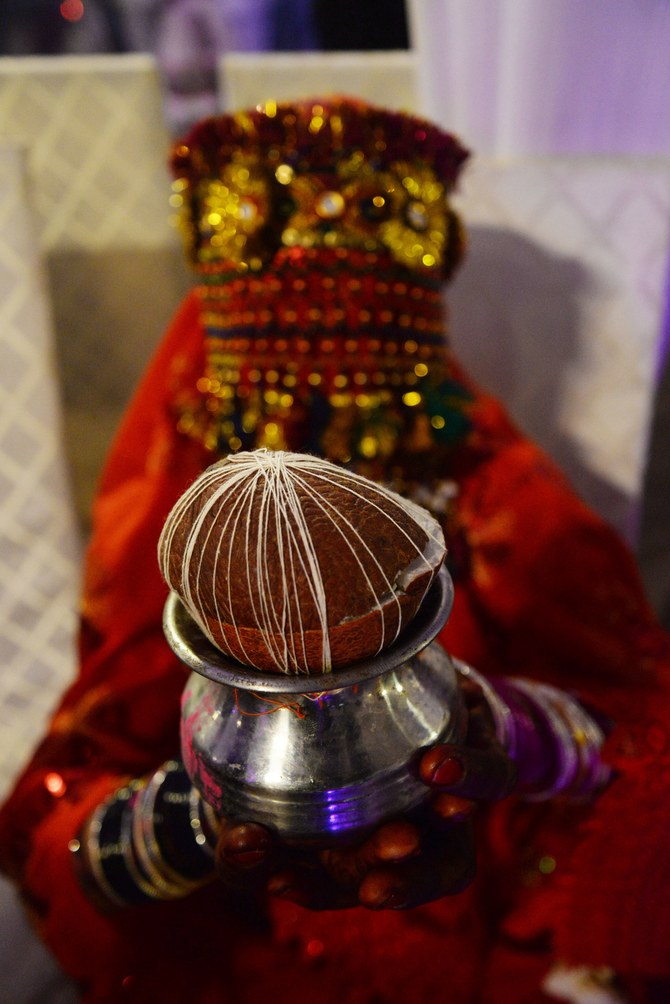
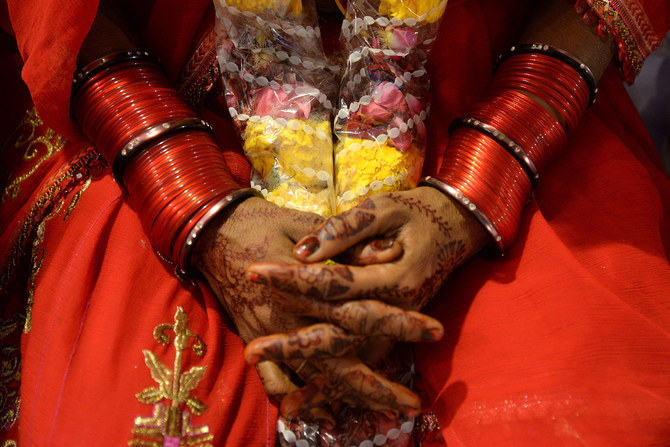
A bride holds a vessel and a coconut while participating in a Hindu wedding ritual during a mass wedding of 80 couples at the Railway Ground in Karachi on January 26, 2020. (AN Photo by S.A. Babar)
5 / 17
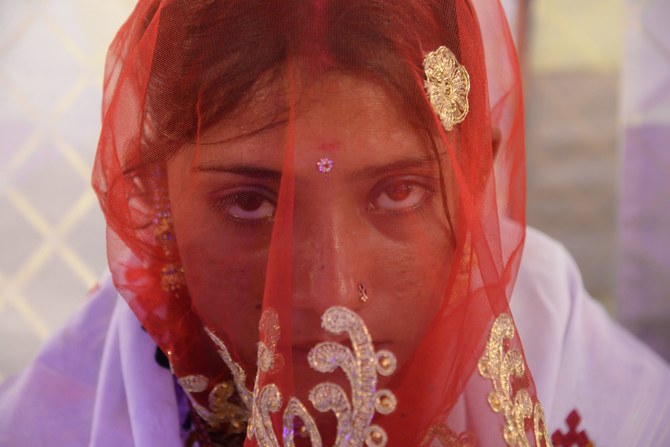
A bride, Asha Das, gets ready for the rituals during a mass wedding at the Railway Ground in Karachi on January 26, 2020. (AN Photo by S.A. Babar)
6 / 17
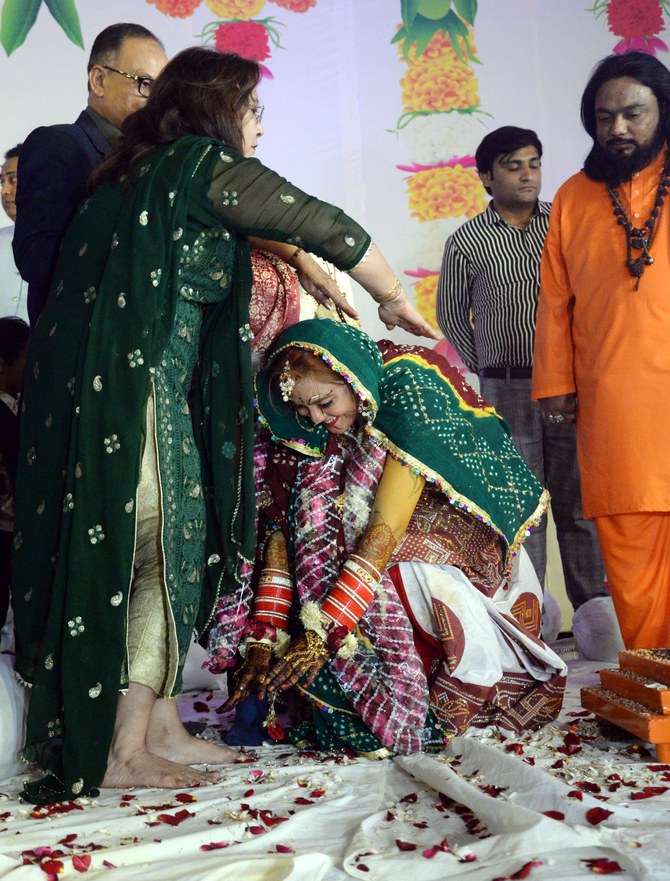
Das recieves blessings from her mother after the completion of her wedding ceremony at the Railway Ground in Karachi on January 26, 2020. (AN Photo by S.A. Babar)
7 / 17
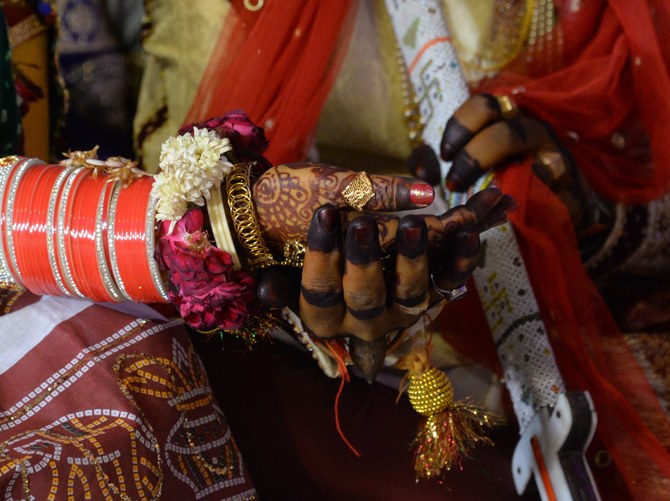
A man appliee sindoor or vermilion to his bride's forehead as part of a ritual during a mass wedding involving 80 Hindu couples at the Railway Ground in Karachi on January 26, 2020. (AN Photo by S.A. Babar)
8 / 17
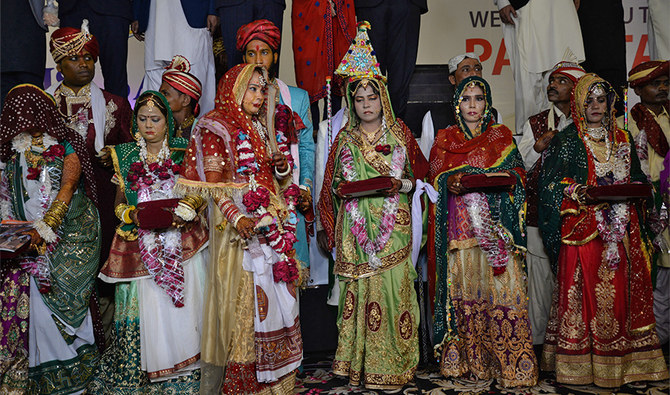
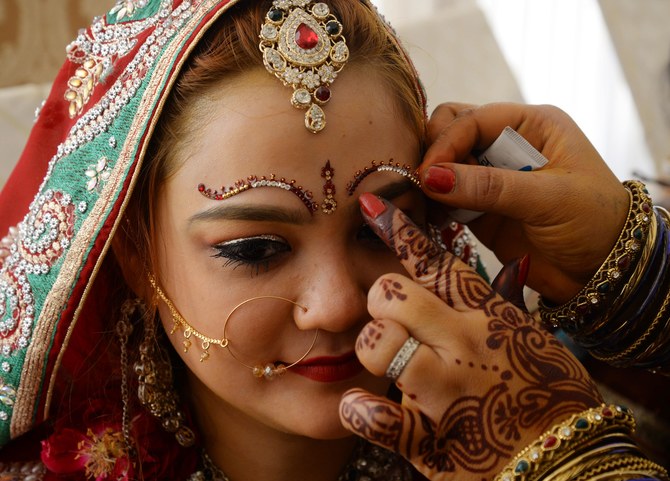
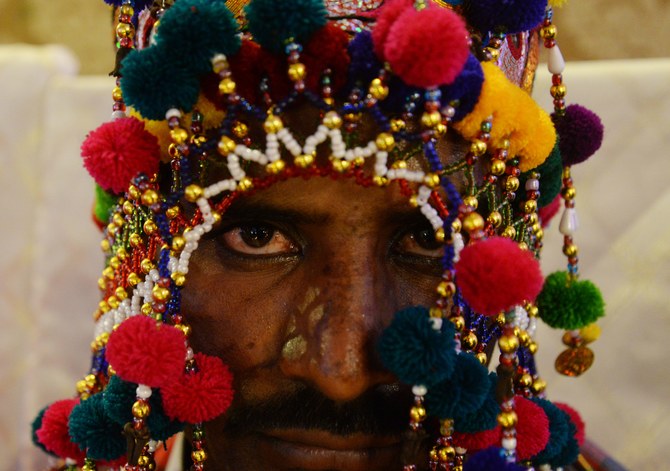
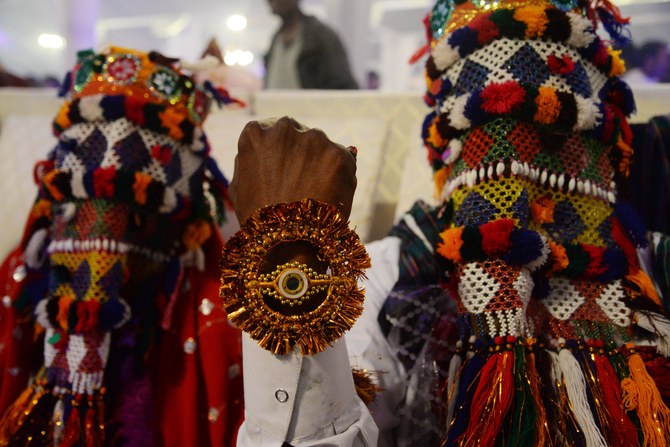
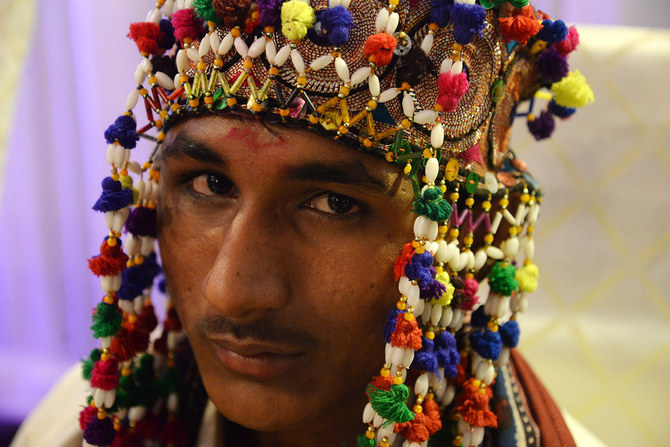
Brides and grooms are dressed up in different traditional attires during a mass wedding at the Railway Ground in Karachi on January 26, 2020. (AN Photo by S.A. Babar)
9 / 17
Brides and grooms are dressed up in different traditional attires during a mass wedding at the Railway Ground in Karachi on January 26, 2020. (AN Photo by S.A. Babar)
10 / 17
Brides and grooms are dressed up in different traditional attires during a mass wedding at the Railway Ground in Karachi on January 26, 2020. (AN Photo by S.A. Babar)
11 / 17
A couple is seen here participating in rituals during a mass wedding at the Railway Ground in Karachi on January 26, 2020. (AN Photo by S.A. Babar)
12 / 17
Eighty couples got married during a mass wedding at the Railway Ground in Karachi on January 26, 2020. (AN Photo by S.A. Babar)
13 / 17
Eighty couples got married during a mass wedding at the Railway Ground in Karachi on January 26, 2020. (AN Photo by S.A. Babar)
14 / 17
Eighty couples got married during a mass wedding at the Railway Ground in Karachi on January 26, 2020. (AN Photo by S.A. Babar)
15 / 17
Rituals are performed during a mass wedding of 80 Hindu couples at the Railway Ground in Karachi on January 26, 2020. (AN Photo by S.A. Babar)
16 / 17
Rituals are performed during a mass wedding of 80 Hindu couples at the Railway Ground in Karachi on January 26, 2020. (AN Photo by S.A. Babar)
17 / 17
Eighty couples got married during a mass wedding at the Railway Ground in Karachi on January 26, 2020. (AN Photo by S.A. Babar)
Short Url
Updated 28 January 2020
Follow

80 Hindu couples tie the knot at mass wedding in Karachi

  • Eighty Hindu couples get married in a joint ceremony with financial aid provided for all
  • Organizers say such events play a vital role in projecting a positive image of the country internationally 

KARACHI: Dressed in colorful apparel, 80 Hindu couples, from across Pakistan’s Sindh province, vowed to honor their partners for life at a mass wedding in Karachi on Sunday.

Faisal Edhi, son of late Pakistani philanthropist, Abdul Sattar Edhi, took part in the rituals while a Hindu priest, Maharaj Jay Kumar, recited a few verses to solemnize the weddings.

“Edhi Sb, when he was alive, would regularly attend our grand weddings. Today, his son, Faisal is among us, giving a message of interfaith harmony to the world, a message that we Pakistanis live together, mourn together and laugh together,” Ramesh Vankwani, president of the Pakistan Hindu Council (PHC), a non-governmental organization, which has been organizing mass weddings for the past 12 years, told Arab News.


Eighty couples got married during a mass wedding at the Railway Ground in Karachi on January 26, 2020. (AN Photo by S.A. Babar)

The first event, which was held in 2008, saw 35 couples get married at the time. That number has since grown to 100 over the years.

“This year, 80 couples were chosen out of those who had applied and were scrutinized, bringing the total to more than 1,200 who have been married thus far,” Vinod Premlani, an organizer, told Arab News.


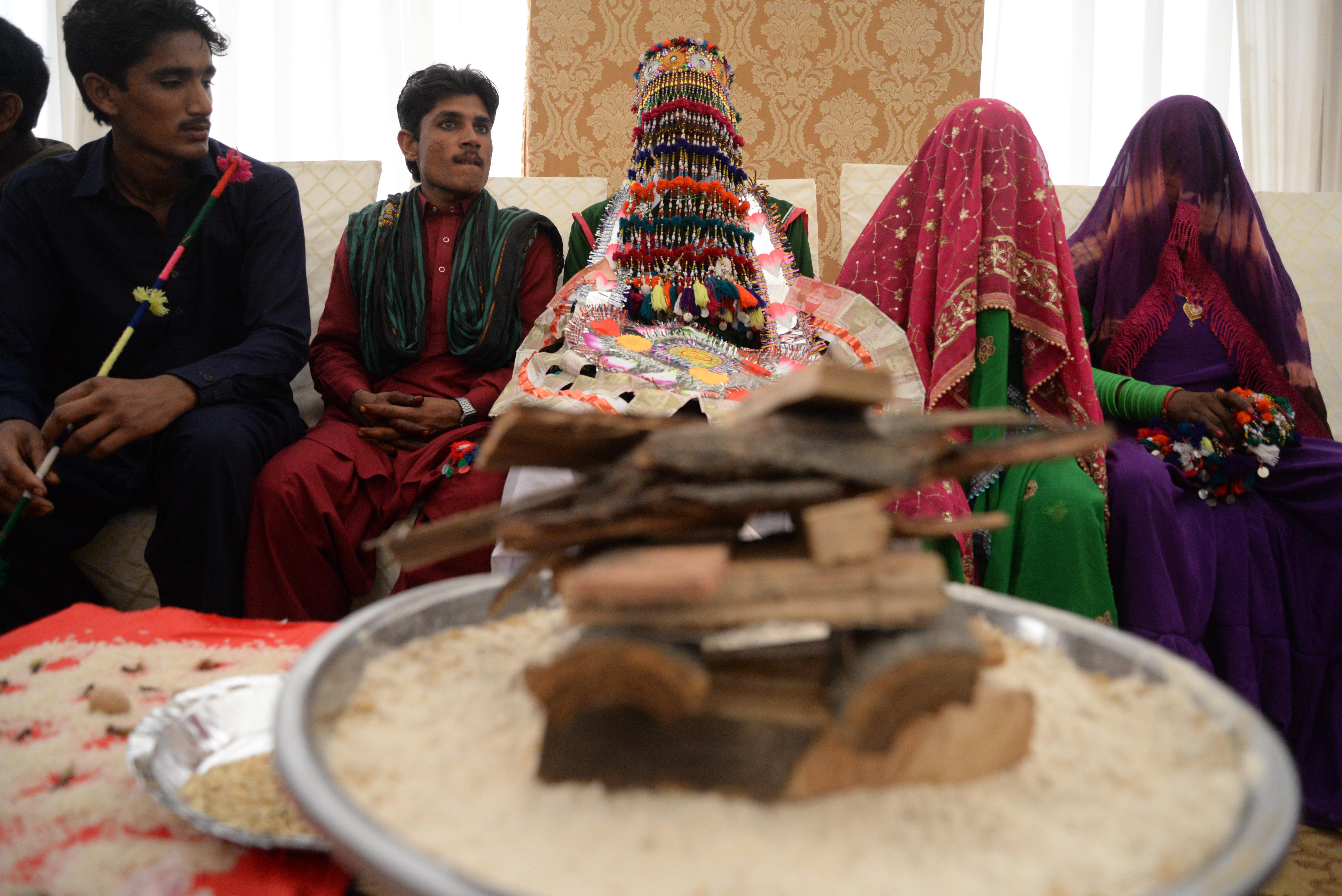
Eighty couples got married during a mass wedding at the Railway Ground in Karachi on January 26, 2020. (AN Photo by S.A. Babar)

The process itself, he added, is very tedious.
For the purpose, applications are sought from community members through the PHC’s district units at least three months prior to the event.

The PHC’s committee then scrutinizes the applications, shortlisting the most deserving candidates.

Those selected are then required to provide their National Identity Card and other documents for the purpose.

Unique to Karachi, the mass weddings cost Rs8 million to arrange – funds that are sourced from the community or sponsored by banks and other entities.

On any given day, mass weddings take nearly two hours to complete.

For Sunday’s event, which was held at the Railway Ground along I.I. Chundrigar Road, the couples traveled from different parts of interior Sindh to participate in the rituals.
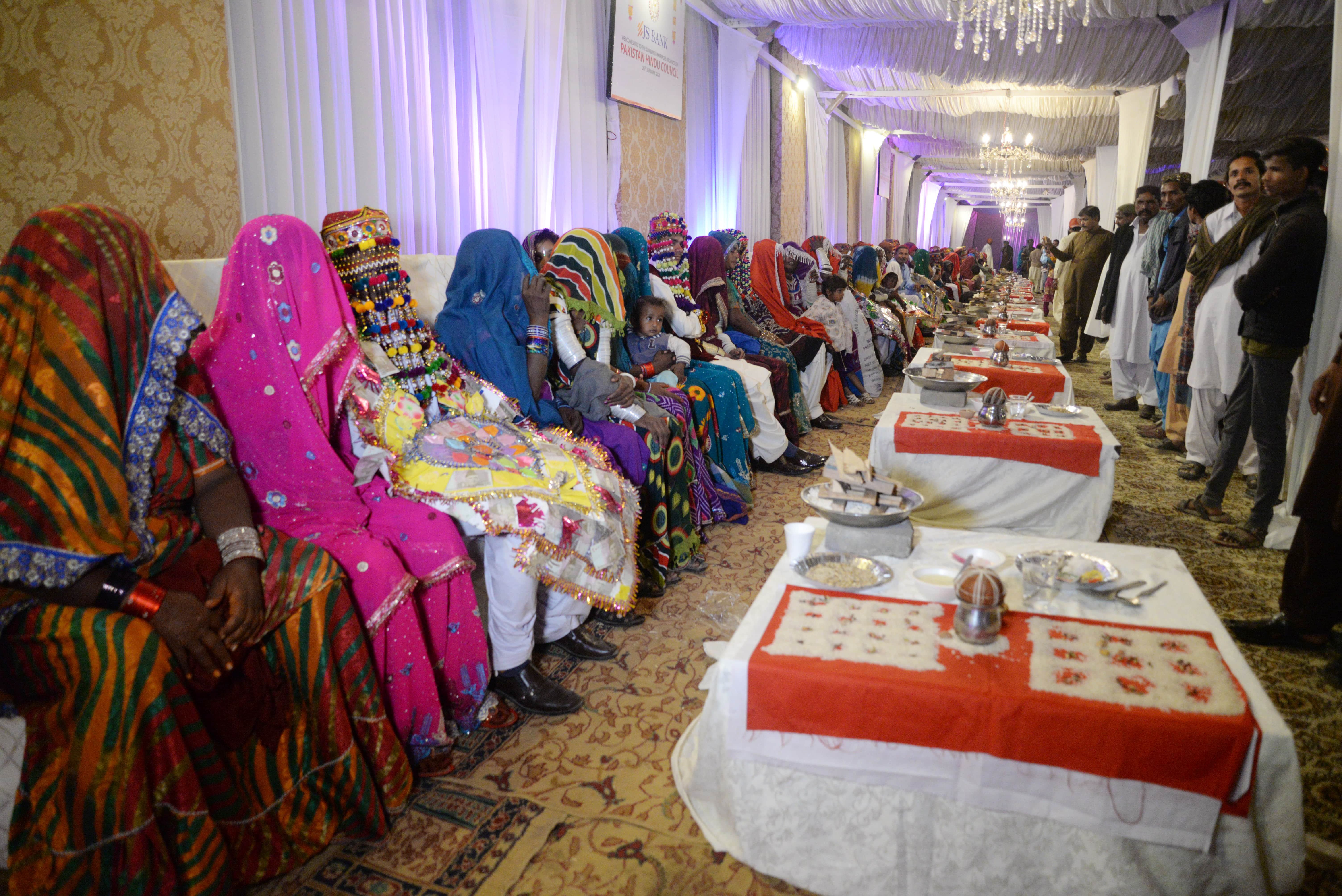


Eighty couples got married during a mass wedding at the Railway Ground in Karachi on January 26, 2020. (AN Photo by S.A. Babar)

After a brief announcement by Vankwani, Maharaj Kumar continued with the rituals which required all the brides and grooms to take individual vows for their partners.

Vankwani said such events are necessary for any society as they promote “strong social bonds.”

“Strong social bonds are developed among the participants as they celebrate their big day in a joint gathering. We also provide financial support – amounting to more than Rs100,000 ($647) – to the couples so that they can start their life with honor and dignity,” Vankwani said, adding that it also projects a positive image of Pakistan on the international stage.

“We want to show the international community that non-Muslims enjoy complete freedom to organize and participate in socio-religious ceremonies, too,” he said.

It’s a thought, Edhi says, which is unique to the idea of Pakistan. “Today, I am very happy that deserving couples were married with such dignity. These are the sons of the Sindh soil and have been living here for thousands of years. We believe in humanity and are here to show that we are together,” he said.

Edhi wasn’t the only Muslim to participate in the event. “I come here every year. It’s a brilliant cultural event where the poor are given a lot of respect,” Dr. Karamat Ali, a social activist and executive director of the Pakistan Institute of Labor Education and Research told Arab News. 

Abdul Rasheed, a 50-year-old resident of Sangar who was accompanying a Hindu couple, said he was at the event because his friends were like a family to him.


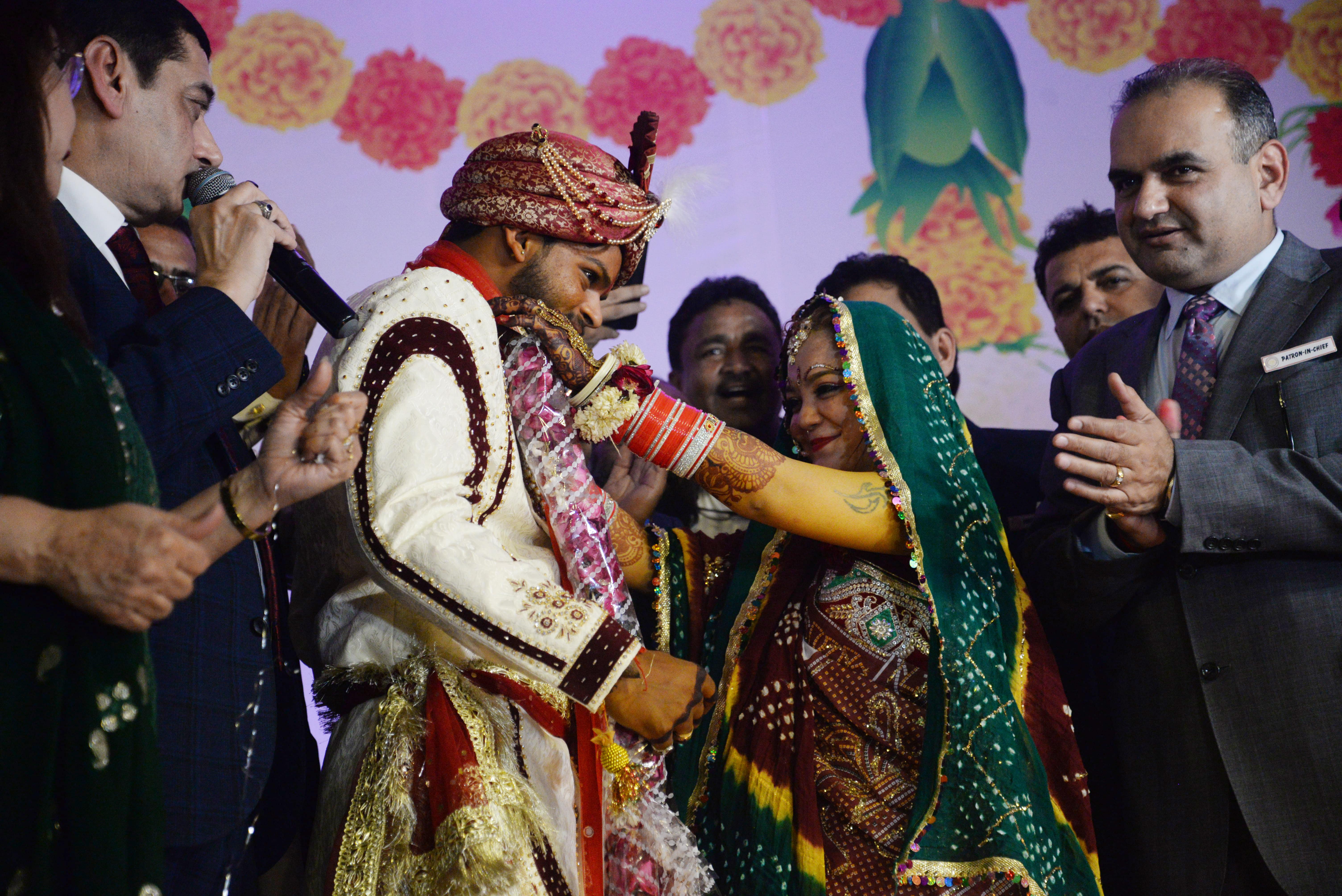
A bride, Asha Das, is seen here placing a garland on her groom Sanjay Pradeep Kumar, during a mass wedding at the Railway Ground in Karachi on January 26, 2020. (AN Photo by S.A. Babar)

While organizers said that the mass wedding encouraged charity too; for a majority of couples participating in the event, it was a dream come true.

Jhaman Alam, a 50-year-old laborer from Umerkot, said giving his daughter away in marriage was not an easy task. “With this price hike, it’s hard for me to earn a living for my family. I am happy that my daughter has gotten married with dignity,” Alam told Arab News, as he poured some ghee [clarified butter] into the fire as part of the ritual for his daughter Dhhai Alam and son-in-law, Atam Parkash.

“My father, Parkash Das, was working at a marriage hall before he fell sick two years ago. Witnessing a wedding almost every second day, he would think of a lovely wedding ceremony for me,” Asha Das said, adding that Prakash had given up hope of ever seeing her married.

“This is wonderful. It is more than what my father had dreamed of for me.”


Pakistan PM calls PIA privatization ‘vote of confidence’ as government pushes reforms

Updated 4 sec ago
Follow

Pakistan PM calls PIA privatization ‘vote of confidence’ as government pushes reforms

  • The loss-making national flag carrier was sold to a Pakistani consortium for $482 million after two failed attempts
  • Finance minister vows to continue economic reforms, engage international partners through trade and investment

KARACHI: Prime Minister Shehbaz Sharif said on Tuesday the privatization of state-owned Pakistan International Airlines marked a “vote of confidence” in the country’s economy, as the government presses ahead with structural reforms aimed at easing pressure on public finances and attracting investment.

The sale of the loss-making national carrier by a Pakistani consortium, which secured a 75 percent stake for Rs135 billion ($482 million), follows two previous attempts to privatize PIA. The development comes as Pakistan seeks to build on macroeconomic stabilization after a prolonged balance-of-payments crisis, with authorities trying to shift the economy toward export-led growth and policy continuity.

“It was our firm commitment to the people of Pakistan that speedy and concrete steps would be taken to privatize loss-making state-owned enterprises that have been a burden on the economy,” Sharif said in a post on X. “The successful completion of the transparent and highly competitive bidding process for the privatization of PIA marks an important milestone in fulfilling that commitment.”

“The strong participation of our leading business groups and some of Pakistan’s most seasoned and respected investors is a powerful vote of confidence in our economy and its future,” he added.

https://x.com/cmshehbaz/status/2003498418984128908?s=46&t=SApcAZAv0zK56lMSgiF_fg

The government has made privatization of state-owned enterprises a key pillar of its reform agenda, alongside changes to taxation, energy pricing and trade policy, as it seeks to stabilize the economy and restore investor confidence.

Meanwhile, Finance Minister Muhammad Aurangzeb told an international news outlet Pakistan had reached a critical turning point, with macroeconomic stability and sustained reforms helping shift the economy from stabilization toward growth.

“Macroeconomic stability, sustained reforms and policy continuity are restoring confidence, shifting the economy from stabilization to export-led growth,” he said in an interview with USA Today, according to a statement issued by the finance ministry, adding that the government was opening new opportunities for domestic and global investors.

Aurangzeb said inflation had eased sharply, external balances had improved and foreign exchange reserves had risen above $14.5 billion, while Pakistan had recorded both a primary fiscal surplus and a current account surplus for the first time in several years.

The finance minister noted that economic growth remained insufficient to meet the needs of a fast-growing population, pointing out the importance of continuing structural reforms and encouraging investment in sectors such as agriculture, minerals, information technology and climate resilience.

Despite ongoing risks from global commodity prices, debt pressures and political uncertainty, Aurangzeb said the government remained committed to staying the reform course and engaging international partners through trade and investment.