

In the Himalayan foothills, museum celebrates glory days of Pakistan railways

An ancient steam engine is preserved at Pakistan Railways Museum in Islamabad. (AN photo by Aamir Saeed)
Updated 09 December 2019
Follow

In the Himalayan foothills, museum celebrates glory days of Pakistan railways

  • Pakistan’s founder Mohammed Ali Jinnah and Lord Mountbatten used to travel on the luxury saloon now displayed at the museum
  • Of late, the aging colonial era railway system in Pakistan is falling into disrepair

ISLAMABAD: Nestled along the foothills of the Himalayas, among trees and old houses, the Pakistan Railways Museum in Islamabad’s outskirts gives a unique glimpse into the region’s 150-year-old rail heritage.
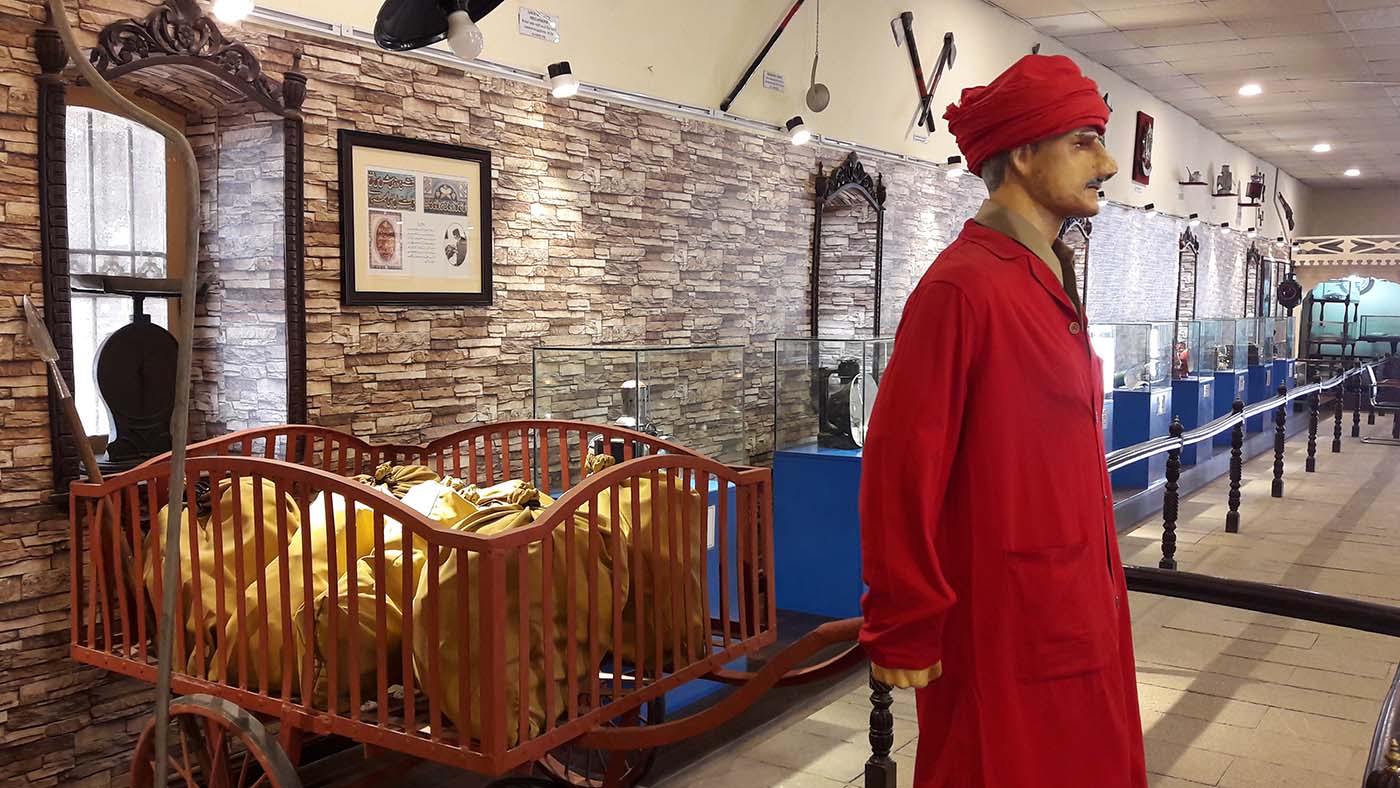


A porter is ready in his traditional red dress to transport luggage of passengers at Pakistan Railways Museum Golra Sharif, on the outskirts of Islamabad, on December 5, 2019. (AN photo by Aamir Saeed)

The Golra Railway Station was established in 1861, and is still functional, with at least two trains that pass through it daily. It was named after the small village of Golra, famous for the shrine of a renowned saint, religious scholar and poet, Pir Mehar Ali Shah. 
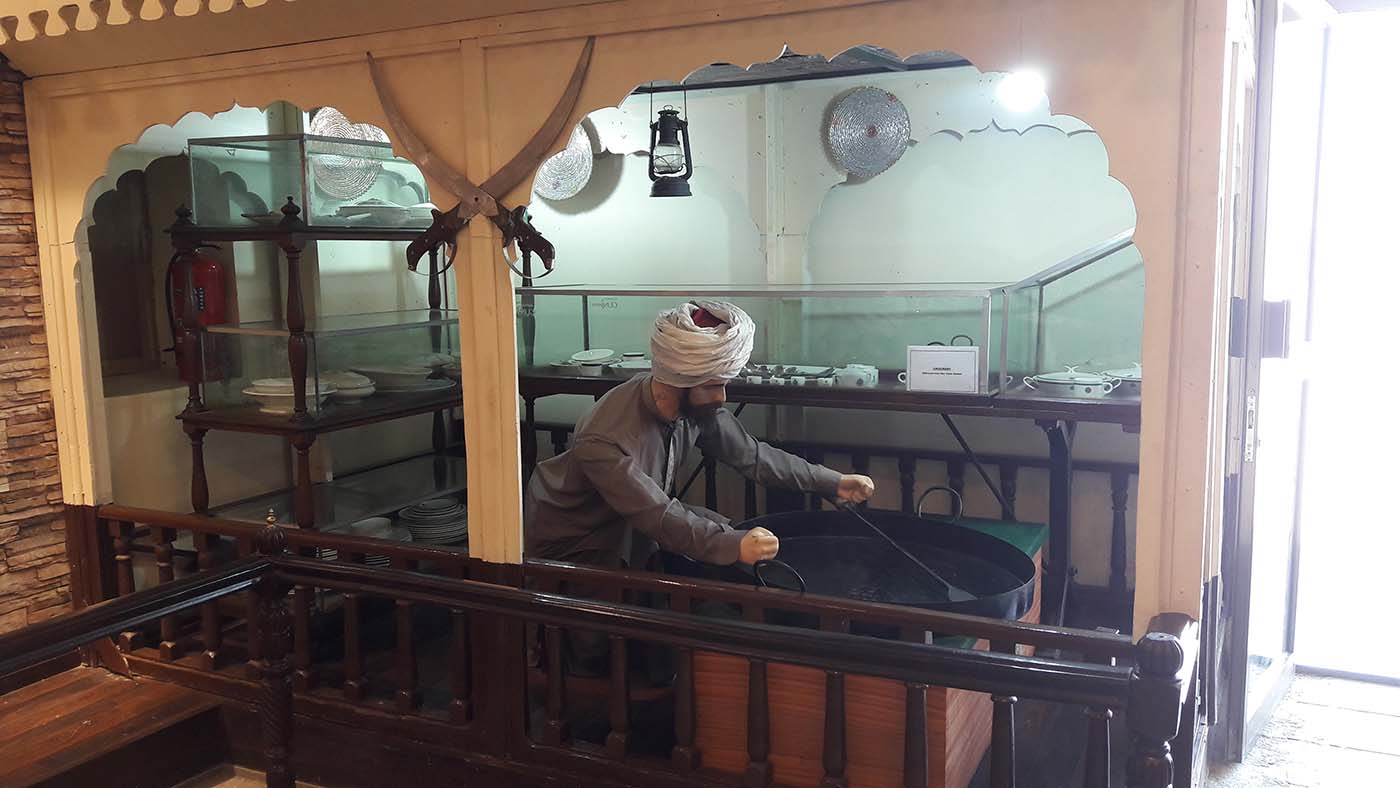


A view of a traditional kitchen in the railways is preserved at Pakistan Railways Museum Golra Sharif. (AN photo by Aamir Saeed)

Recently, increasing passenger train crashes in Pakistan have been blamed on the country’s aging, colonial-era railway network which has fallen into disrepair due to chronic under-investment and poor maintenance. 
But in the glory days, railway travel was an expensive luxury in the country and an opulent first-class saloon sitting in the museum gives visitors some nostalgic insight into the history of the old institution.
The saloon, once used by India’s last viceroy, Lord Mountbatten, and Pakistan’s founder Muhammad Ali Jinnah, is a beautifully decorated wonder of teak wood, old furniture, and luxury fixtures with spacious sofas neatly lined up against the windows.
“This marvelous saloon was reserved for Lord Mountbatten, and was later used by Quaid-e-Azam and his sister Fatima Jinnah as well in 1945 to travel from Lahore and Karachi,” Waheed Mahmood, a travel guide at the museum, told Arab News.
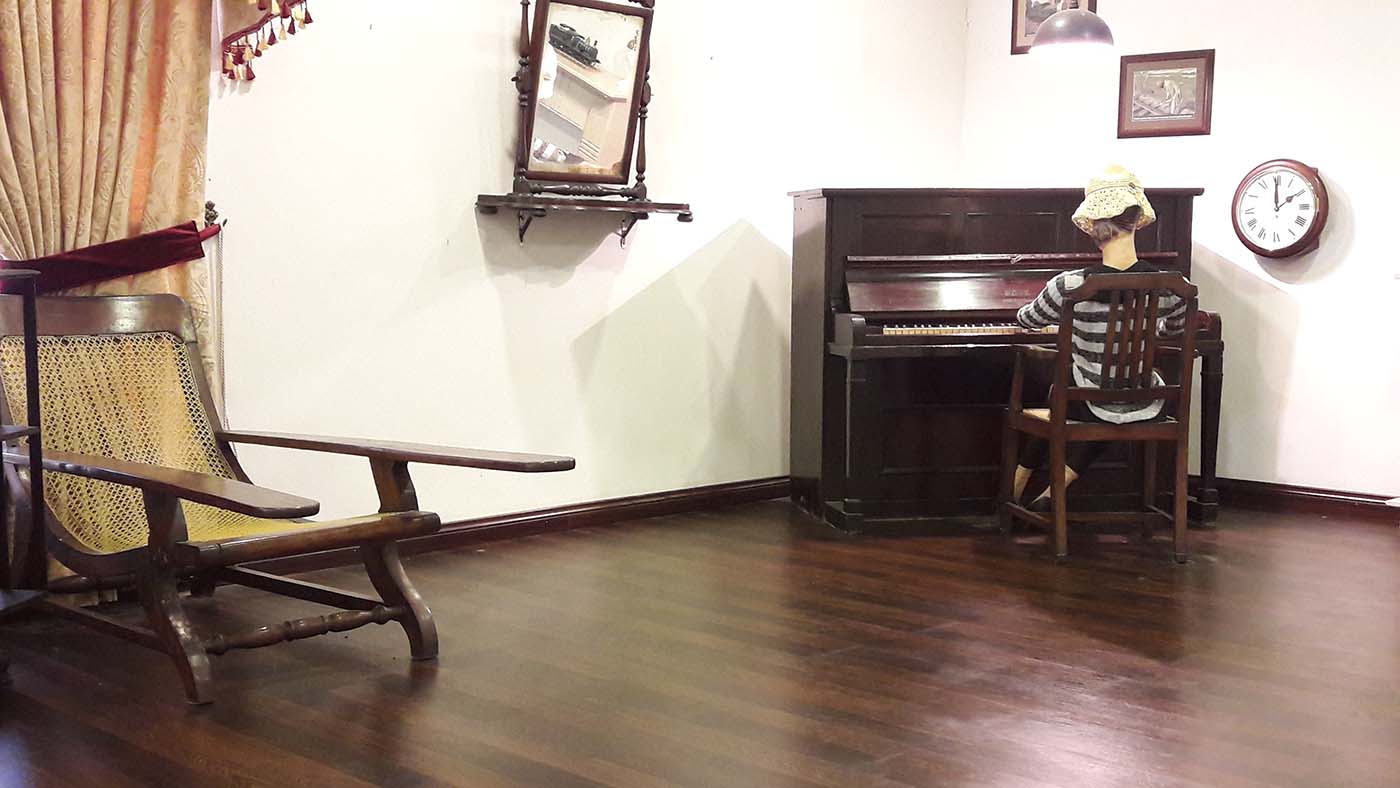


A VVIP waiting lounge for passengers at the railway stations where travellers could relax by playing piano and taking tea. (AN photo by Aamir Saeed)

The museum was established in 2003 with the aim of preserving and conserving over a century of rail heritage. It consists of two main galleries where different objects dating back to 1861 have been preserved. Ancient items include Victorian furniture with classic crockery, a piano, long-arm rest chairs, hand signal lamps, flags, clocks, watches, rifles and medical kits.
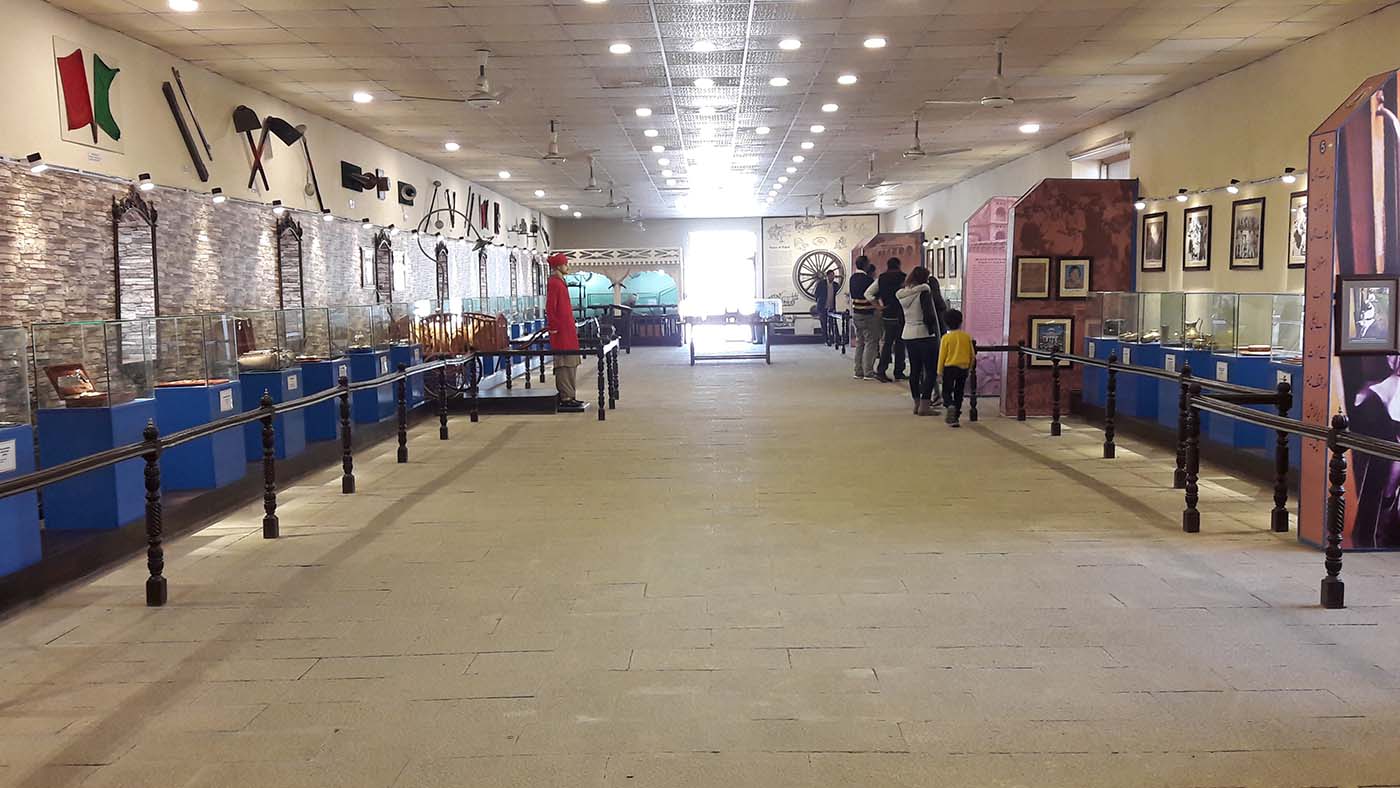


A family is visiting Pakistan Railways Museum Golra Sharif to learn about the history and glory of the railways on December 5, 2019. (AN photo by Aamir Saeed)

Another regal saloon, which was gifted by the Maharaja of the Indian State of Jodhpur to his daughter on her wedding, is also nicely parked along the railway tracks. It was manufactured in 1888.
“The way people these days give cars and other luxury items to their daughters on their weddings... this saloon was the most expensive of its time,” Mahmood said.
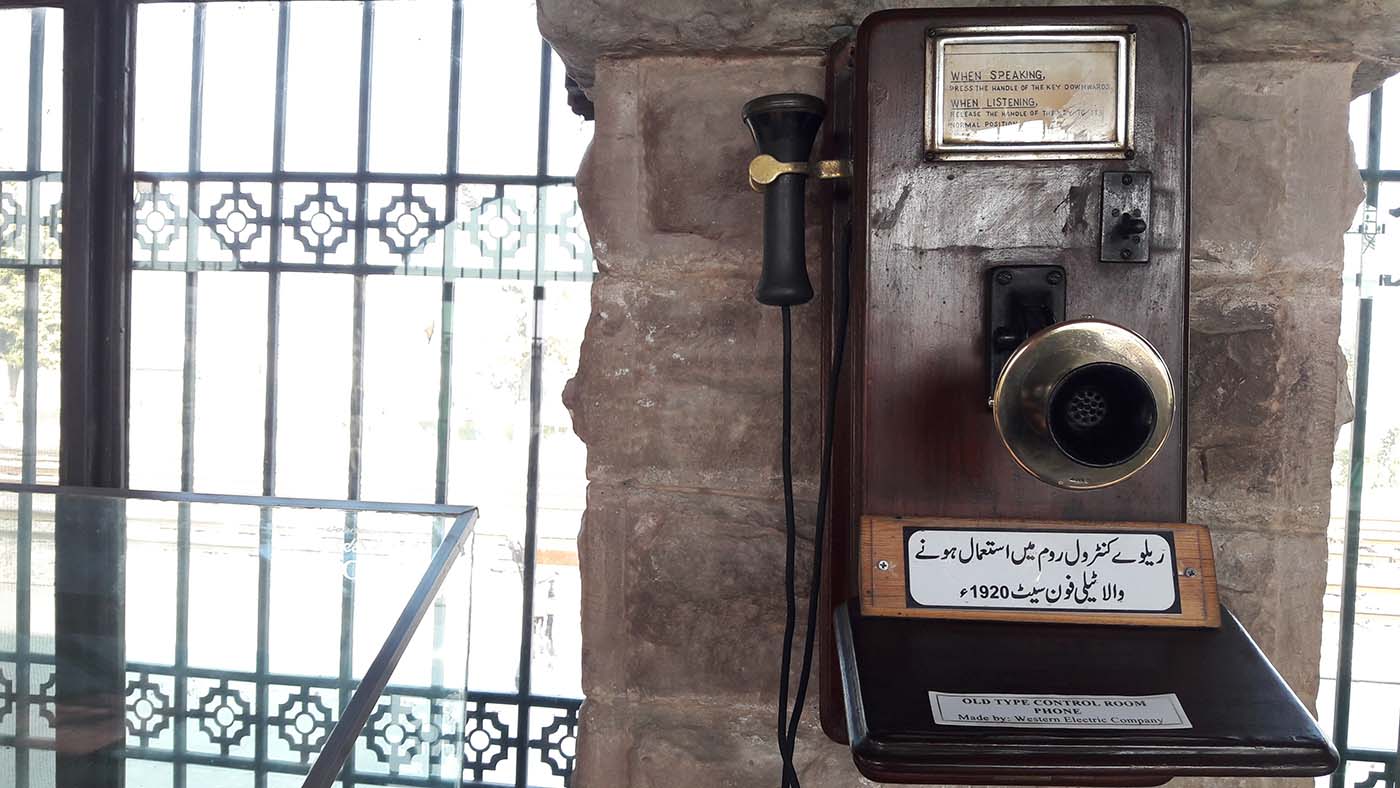


A telephone set that was used for communication in railway control rooms is on display in the museum. (AN photo by Aamir Saeed)

The museum is surrounded by trees and at least 2,000 people from across the country visit every month to learn more about the history of Pakistan’s railways, a now ancient institution which began operations in May 1861 between Karachi city and Kotri in southern Sindh province-- a distance of 169 km.
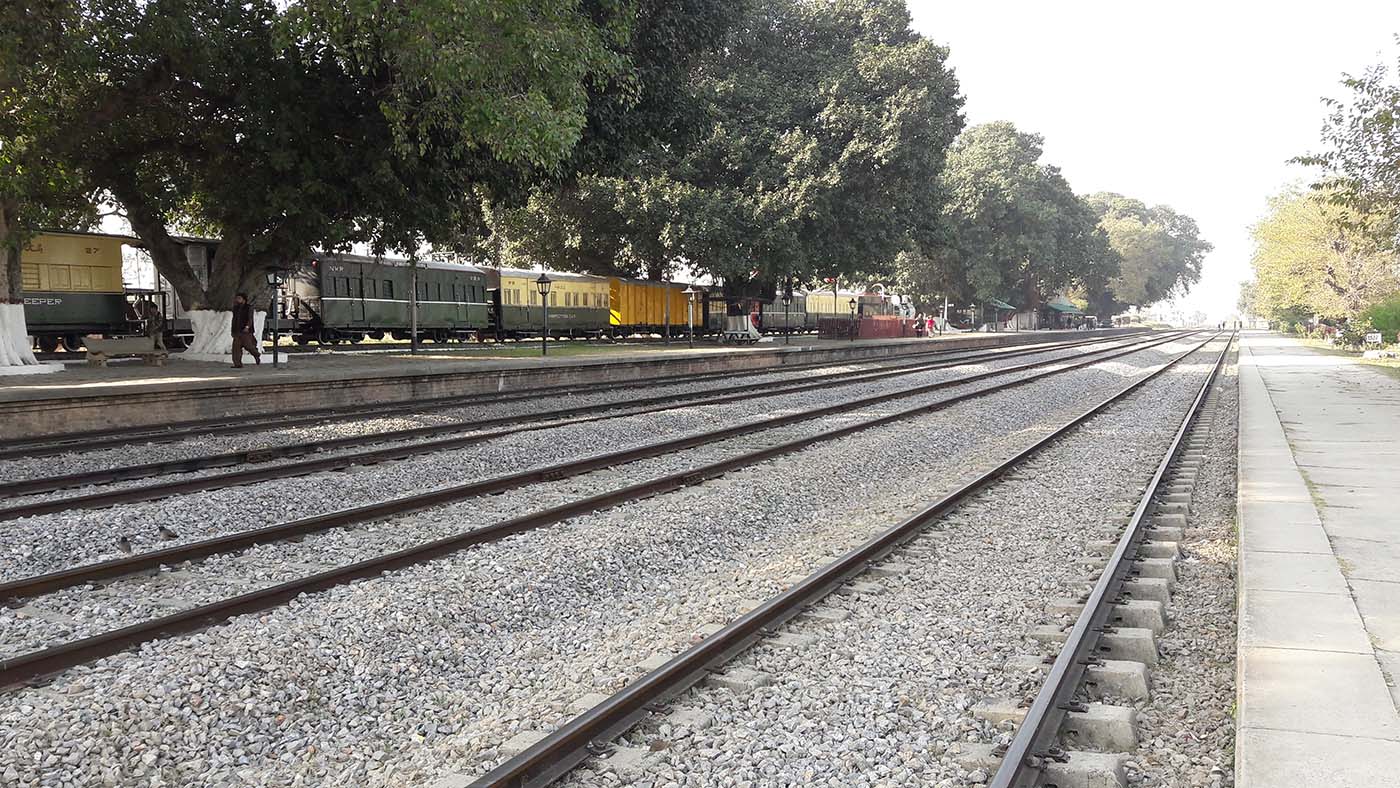


The Golra Railway Station in Islamabad was established in 1881 having romantic environment with shadowy trees that creates classical atmosphere for a tourist to go back to history. (AN photo by Aamir Saeed)

Today, Pakistan Railways carries around 70 million passengers every year and operates 228 mail, express and passenger trains daily, according to the railways official figures.
Kamal Khan, a visitor at the museum with his family, said the trip has helped them all learn about the “glorious history” of the old railways.
“We hope our railways will once again become a safe, cheap and fast mode of transportation,” he said. 
“And we hope that our leaders will once again take pride in traveling via our trains.”


Pakistan joins regional talks on Afghanistan in Iran as Kabul stays away

Updated 15 December 2025
Follow

Pakistan joins regional talks on Afghanistan in Iran as Kabul stays away

  • China, Pakistan, Pakistan, Tajikistan, Uzbekistan, Turkmenistan all joined talks organized by Iran, as did Russia
  • Afghanistan was invited but decided not to attend, Taliban-led government was tight-lipped on the reasons

TEHRAN, Iran: Afghanistan’s neighbors met in Iran and agreed to deepen regional coordination to address political, economic and security challenges, as well as calling for sanctions on Afghanistan to be lifted. 

The only absent party? Afghanistan itself.

China, Pakistan, Pakistan, Tajikistan, Uzbekistan and Turkmenistan all joined the talks organized by Iran, as did Russia, according to a statement released after the meeting on Sunday.

Afghanistan was invited but decided not to attend. Its Taliban-led government was tight-lipped on the reasons, with the foreign ministry saying only that it would not participate because Afghanistan “currently maintains active engagement with regional countries through existing regional organizations and formats, and has made good progress in this regard.”

The statement from the talks in Iran stressed the importance of maintaining economic and trade ties with Afghanistan to improve living conditions and called for the country’s integration into regional political and economic processes.

The Taliban were isolated after they retook power in Afghanistan in August 2021, but in the past year, they have developed diplomatic ties. They now raise several billion dollars every year in tax revenues to keep the lights on.

However, Afghanistan is still struggling economically. Millions rely on aid for survival, and the struggling economy has been further impacted by the international community not recognizing the Taliban government’s seizure of power in the wake of the chaotic withdrawal of US-led troops in 2021. Natural disasters and the flow of Afghans fleeing Pakistan under pressure to return home have underlined Afghanistan’s reliance on foreign aid to meet essential needs.

The countries at the talks also voiced security concerns and pledged cooperation in combating terrorism, drug trafficking and human smuggling, while opposing any foreign military presence in Afghanistan. They underscored the responsibility of the international community to lift sanctions and release Afghanistan’s frozen assets, and urged international organizations to support the dignified return of Afghan refugees from neighboring countries.

The participants backed efforts to reduce tensions between Afghanistan and Pakistan, which have been particularly strained, with border clashes between the two sides killing dozens of civilians, soldiers and suspected militants and wounding hundreds more.

The violence followed explosions in Kabul on Oct. 9 that Afghan authorities blamed on Pakistan. A Qatar-mediated ceasefire has largely held since October, although there have been limited border clashes. The two sides failed to reach an overall agreement in November despite three rounds of peace talks.

Asif Durrani, Pakistan’s former special representative for Afghanistan, said the Taliban government’s decision to skip the meeting reflected a “lack of political maturity.” 

Writing on X, Durrani said the move reinforced concerns that the Taliban were unwilling to negotiate, instead adopting an “I don’t accept” stance that he said would do little to resolve serious regional problems.

Mohammad Sadiq, the current Pakistani special representative for Afghanistan who attended the talks, wrote on X that the Afghan people had already suffered enough and deserved better.

Only an Afghanistan that does not harbor militants would inspire confidence among neighboring and regional countries to engage meaningfully with Kabul and help unlock the country’s economic and connectivity potential, he wrote.

Participants agreed to hold the next meeting of foreign ministers of Afghanistan’s neighboring countries as soon as possible in Ashgabat, Turkmenistan, and welcomed Pakistan’s offer to host the next round of special envoys’ talks in Islamabad in March.

Iran’s foreign ministry spokesman, Esmail Baghaei, on Sunday said that the meeting had not been held for about two years and marked the first such gathering attended by special envoys on Afghanistan from neighboring countries as well as Russia. Russia and Uzbekistan sent the special envoys of their presidents, while Pakistan was represented by a delegate from the prime minister’s office.

Landlocked Afghanistan is sandwiched between the Middle East, Central Asia, and South Asia, making it strategically located for energy-rich and energy-hungry nations.