

Top Pakistani designers explain what makes bridal dress special

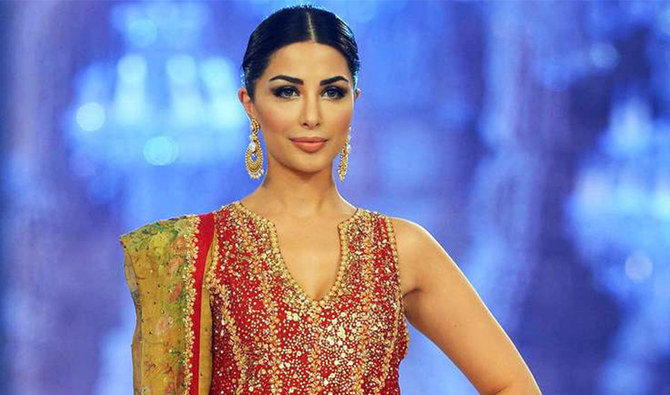
Sania Maskatiya for the Pakistan Fashion Design Council (PFDC) Bridal Week 2014 in Lahore. (AFP)
Updated 06 December 2019
Follow

Top Pakistani designers explain what makes bridal dress special

  • Bridal dresses have to be “made with love,” says Mahgul Rashid
  • December is Pakistan's peak wedding season

ISLAMABAD: While elsewhere December is a holiday season, in Pakistan it is a time when couples are tying the knot. Arab News asked some of Pakistan’s top fashion designers to share their most memorable bridal designs. Take a look what Sania Maskatiya, Hussain Rehar, Mahgul Rashid and Kamiar Rokni have picked from their collections.
Sania Maskatiya chose a dress in her signature hues. “The color palette is quintessential Sania Maskatiya,” she said, “a subtle touch of maroon oak that sets off the rose and gold.”

“This bridal dress is a classic example of creating the perfect mix between contemporary reduction and traditional fantasy,” Maskatiya said, adding that the rich-colored jamawar lehenga “gives the outfit depth with varying textures.”


Sania Maskatiya's bridal piece unites the contemporary and the traditional. (Photo courtesy: Sania Maskatiya)

Hussain Rehar’s design philosophy is based on moments that conjoin the past with the present. “My work revolves around the embodiment, the fusion of contemporary ingenuity and traditional craftsmanship,” he said, picking for Arab News an item from his latest bridal collection, Fatehpur.

“My recent bridal collection, Fatehpur, holds a special place in my heart as it reflects my life’s journey and how I have evolved both as a person and as a designer. It is based on my ancestral village that lies in the very heart of Punjab,” Rehar explained, while highlighting the Punjabi folklore motifs that adorn the gown.
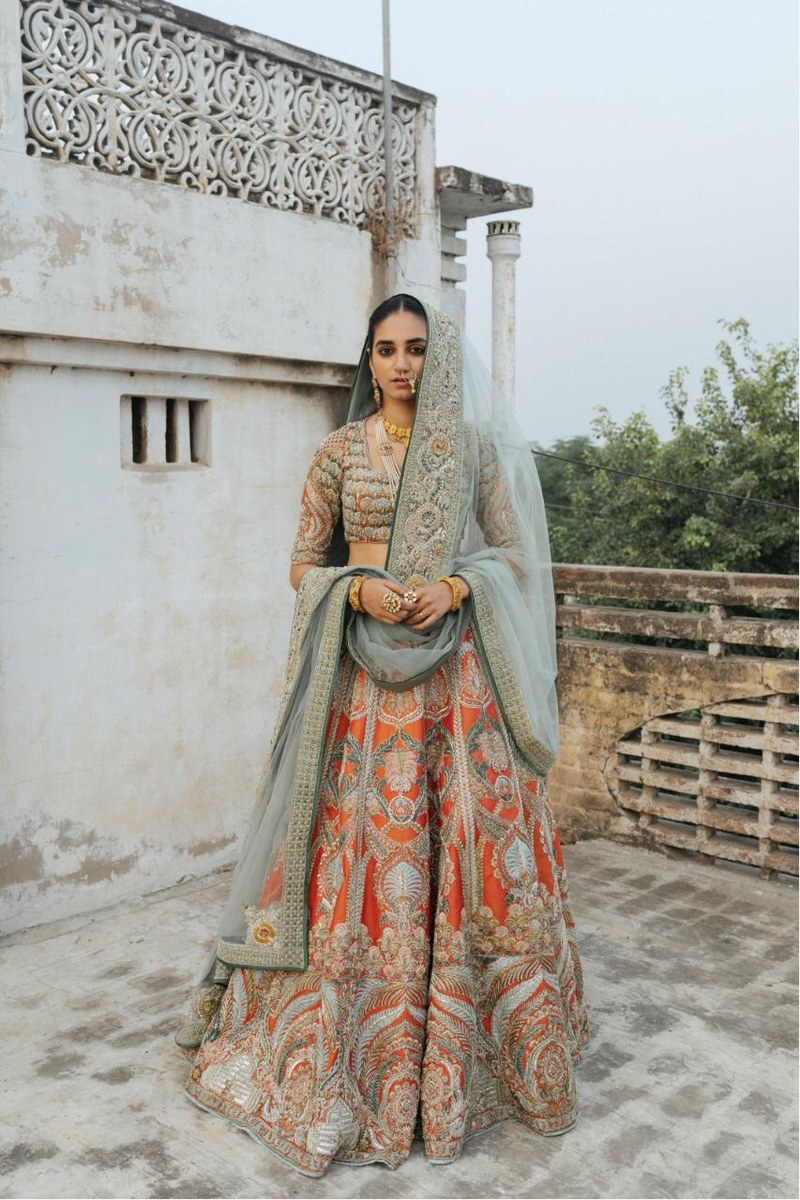


Hussain Rehar's favorite bridal gown is adorned with Punjabi folklore motifs. (Photo courtesy: Hussain Rehar)

The orange bridal set is to him “an escape into a world where time is linked with colors and imagination.”
Mahgul Rashid, the designer behind the brand Mahgul, chose a dress that has a special meaning to her, as it was designed for very close to her heart.
“The emotions involved in making something for someone who you’ve known your whole life is a unique driving force in terms of creativity,” Rashid said, and while she believes all bridal pieces are made with love, “this particular one was more than just that, I had to make sure I do justice to a relationship through making a piece and making it memorable.”
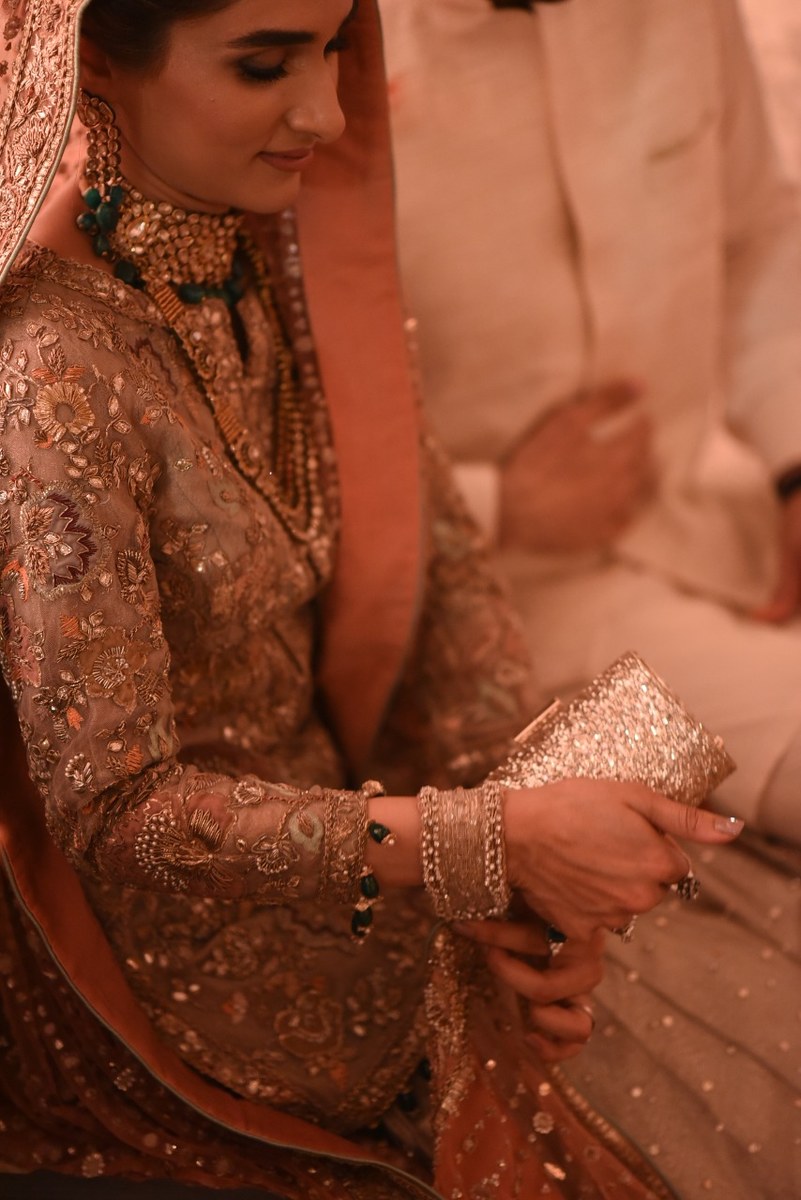


Mahgul Rashid's special bridal design for a dear friend. (Photo courtesy: Mahgul Rashid)

Kamiar Rokni shared a design that was inspired by a beautiful hall in the Golistan palace complex in Tehran. From the color palette to the embellishment and motifs, the gown is part of the designer’s exploration of his own roots and family history.
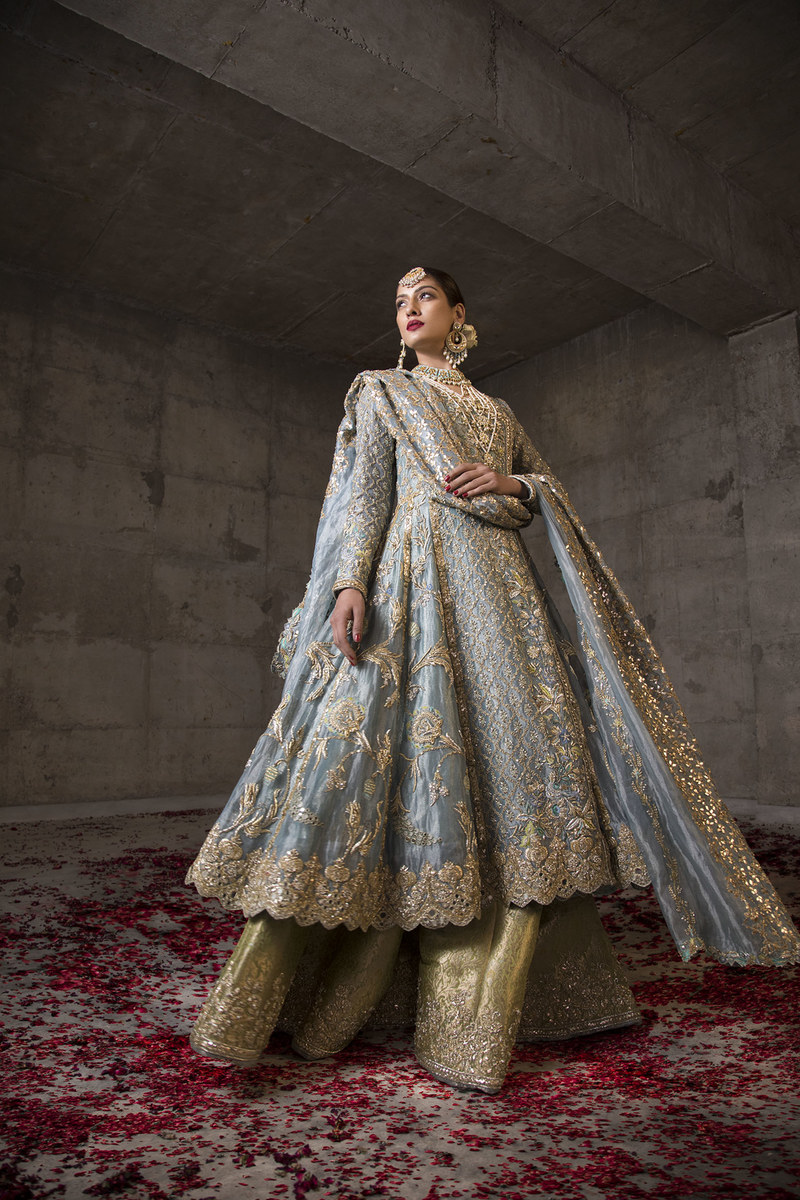


Kamiar Rokni's gown was inspired by the Golistan palace complex in Tehran, Iran. (Photo courtesy: Kamiar Rokni)

“I have recently been exploring my Persian heritage and this piece embodies that journey,” he said.


Pakistan bans ex-army officer, YouTuber Adil Raja under Anti-Terrorism Act

Updated 6 sec ago
Follow

Pakistan bans ex-army officer, YouTuber Adil Raja under Anti-Terrorism Act

  • Pakistan interior ministry says Raja misused online platforms to promote, facilitate anti-state narratives
  • Raja, a UK-based YouTuber-commentator, is a harsh critic of Pakistan’s government, powerful military

ISLAMABAD: Pakistan’s federal government has listed a former army officer and pro-Imran Khan YouTuber-commentator Adil Raja as a proscribed person in the Anti-Terrorism Act for pushing anti-state narratives, the interior ministry said this week. 

Raja, who is now a UK-based blogger who broadcasts political commentary on Pakistan, is severely critical of the government and the military in his YouTube vlogs. Critics also accuse him of being biased in favor of former prime minister Imran Khan. 

Pakistani officials have accused Raja of running propaganda campaigns from abroad in the past. Pakistan Interior Minister Mohsin Naqvi met British High Commissioner Jane Marriott in Islamabad this month and formally handed over extradition documents for Raja. The UK government has so far not commented on the development. 

In a notification issued on Saturday, the interior ministry said the government believes Raja has been demonstrating involvement in activities “posing a serious threat to the security, integrity and public order of Pakistan.”

“He has consistently misused online platforms to promote, facilitate and amplify anti-state narratives and propaganda associated with proscribed terrorist organizations, thereby acting in a manner prejudicial to the sovereignty and defense of Pakistan,” a notification by the interior ministry said. 

“Now, therefore in exercise of the powers conferred by section 11EE of the Anti-Terrorism Act, 1997, the Federal Government is pleased to direct to list Mr. Adil Farooq Raja, s/o Umer Farooq Raja, in the Fourth Schedule to the said Act as a proscribed person for the purposes of the said Act.”

Section 11EE empowers the government to list a person under the Fourth Schedule if there are reasonable grounds to believe that he/she is involved in “terrorism” or is an activist, office bearer or an associate of an organization kept under observation under the same Act, or is suspected to be concerned with any organization suspected to be involved in “terrorism.”

Those placed on the Fourth Schedule by the government are subjected to intense scrutiny and movement restrictions.

In a post on social media platform X, Raja denied any wrongdoing, saying the government had banned him after failing to extradite him from the UK.

“This designation is not a consequence of any crime, but a direct reprisal for my practice of journalism,” he wrote. 

Raja was also among two retired army officers who were convicted and sentenced under the Army Act, and for violations of the provisions of the Official Secrets Act in 2023.

 The former army officer was given 14 years of rigorous imprisonment by a military court. 

Khan, a former cricket star who served as Pakistan’s prime minister from 2018 to 2022, has been in jail since August 2023 on multiple charges his party says are politically motivated.

Despite incarceration, he remains the country’s most popular opposition figure, commanding one of the largest digital followings in South Asia. 

Overseas Pakistanis in particular drive sustained online activism on platforms such as YouTube and X, campaigning for his release and alleging human-rights abuses against Khan and his supporters, claims the Pakistani state rejects.