



HUND/SWABI: While many in Pakistan are unaware of the historical importance of Hund, a dusty town in the Swabi district of northwestern Khyber Pakhtunkhwa (KP) province, a delegation from South Korea has hinted at the possibility of declaring the area as a sister city of Seoul’s Yeonggwang city, officials told Arab News on Wednesday.
Located in Chota Lahore of the Swabi district, Hund lies along the banks of the Indus River (Abaseen in Pashto) and is home to several Buddhist relics.
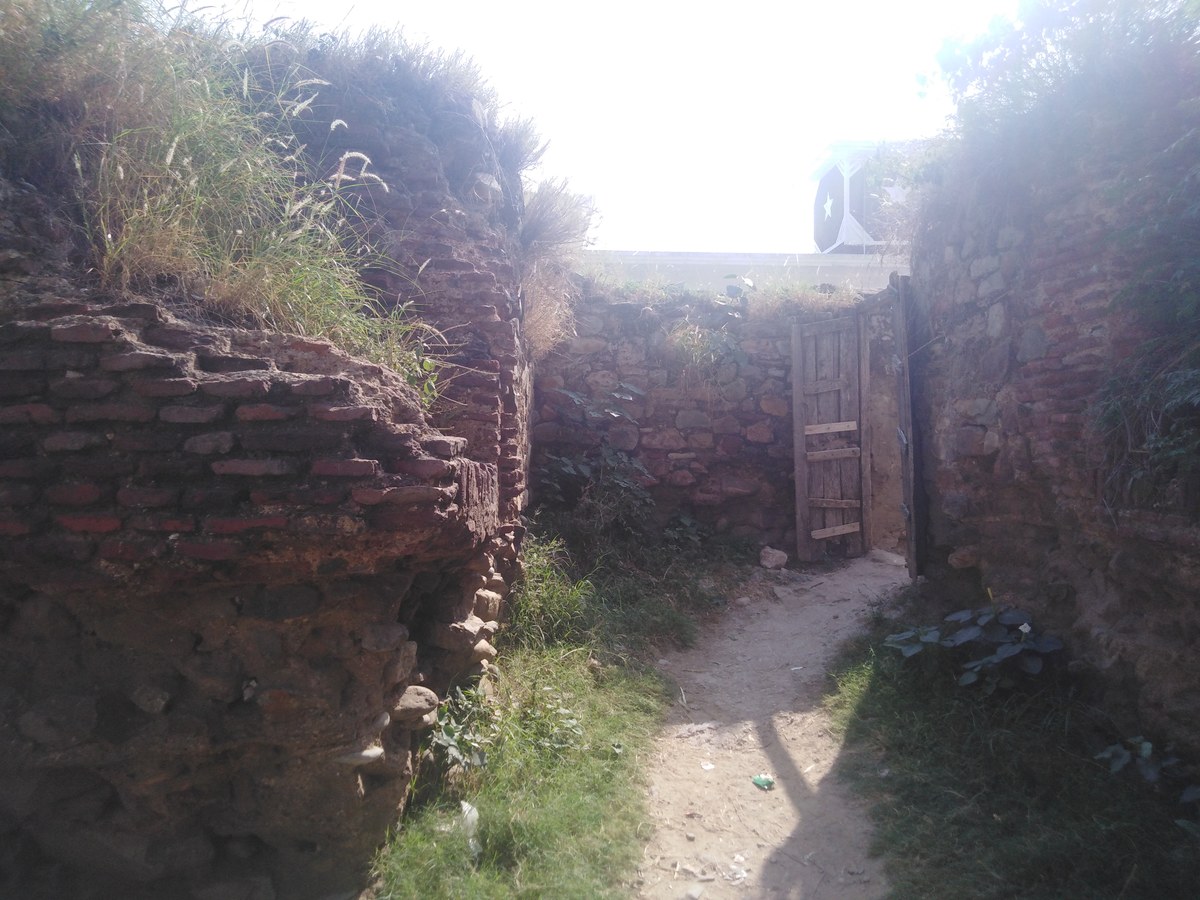
A small alley with broken door leads to ruined walls of the Mughal King Akbar's Fort at Hund. Hund is the site where Alexander the Great crossed the Indus River in 327 BC. In July this year, a delegation from South Korea had hinted to declare Swabi district rich in Buddhist relics, a sister city of Seoul’s Yeonggwang county, an official said. (Arab News)
The district has many Buddhist stupas and other heritage sites, which are on the Unesco’s tentative World Heritage list, Ijaz Ali, assistant curator at the Hund museum, told Arab News.
“Earlier in July, a delegation [from South Korea] had visited Hund and Chota Lahore in the Swabi district, and were hugely impressed with the rich [stock of] Buddhist relics. They showed an interest in declaring both Swabi and Yeonggwang as sister cities but this has yet to be officially confirmed,” Ali said.
That, however, has failed to curb the interest and flow of tourists to the area, with several visiting from Sri Lanka, Korea, Cambodia, Japan, China, and other countries.
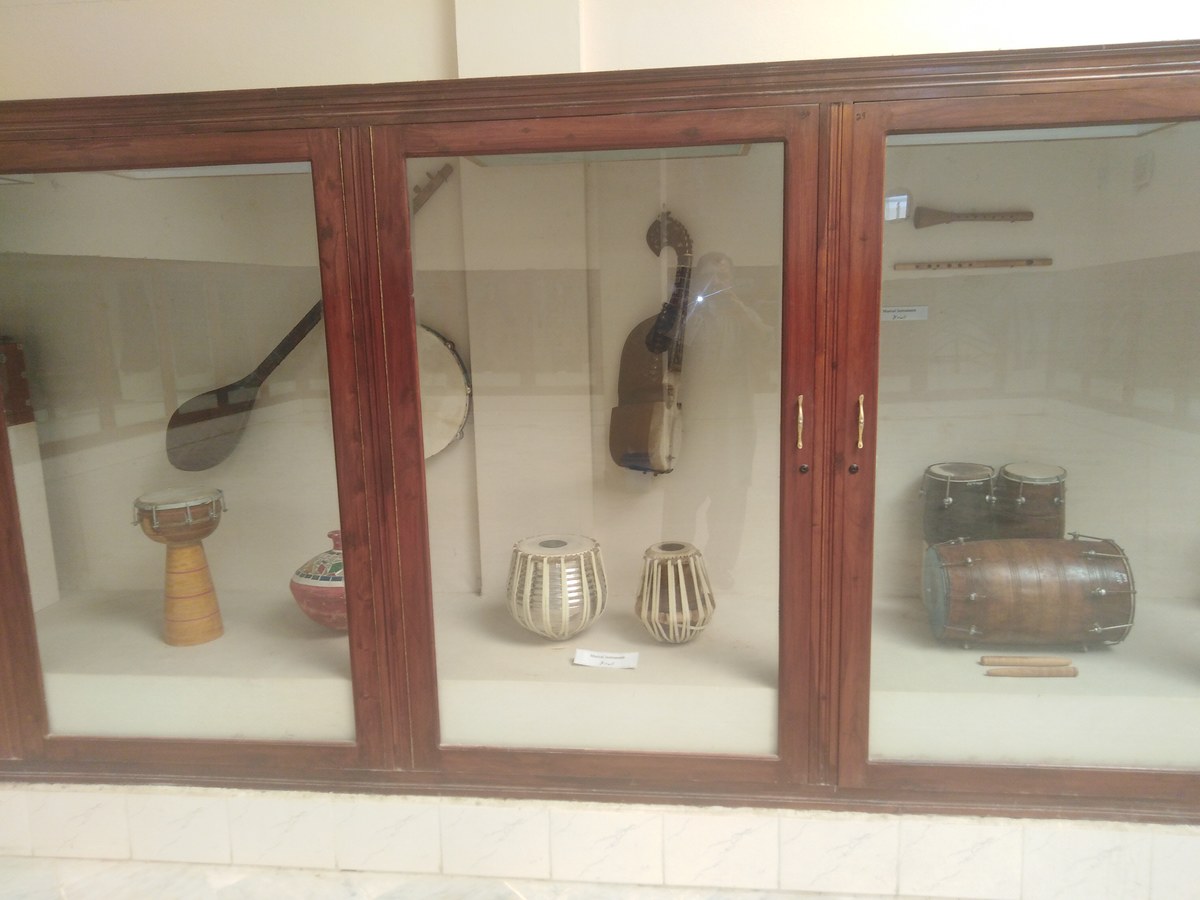
Traditional Pashto music instruments on displayed at Hund Museum in Swabi, a district in Khyber Pakhtunkhwa province, on Wednesday. Hund is the site where Alexander the Great crossed the Indus River in 327 BC. In July this year, a delegation from South Korea had hinted to declare Swabi district rich in Buddhist relics, a sister city of Seoul’s Yeonggwang county, an official said. (Arab News)
During summer, up to 4,000 tourists had visited the area in one month alone, Ali said, adding that followers of Buddhism had a special reverence for the place because the religion spread from Gandhara to other regions of the world.
“The followers of Buddhist religion remember this village... and Swabi is revered by them from a religious point of view,” Ali said.
The sprawling Hund museum hosts several artefacts – from both Buddhism and other cultures – with colorful imagery of rich mosaic patterns that had flourished under the Gandhara civilization.
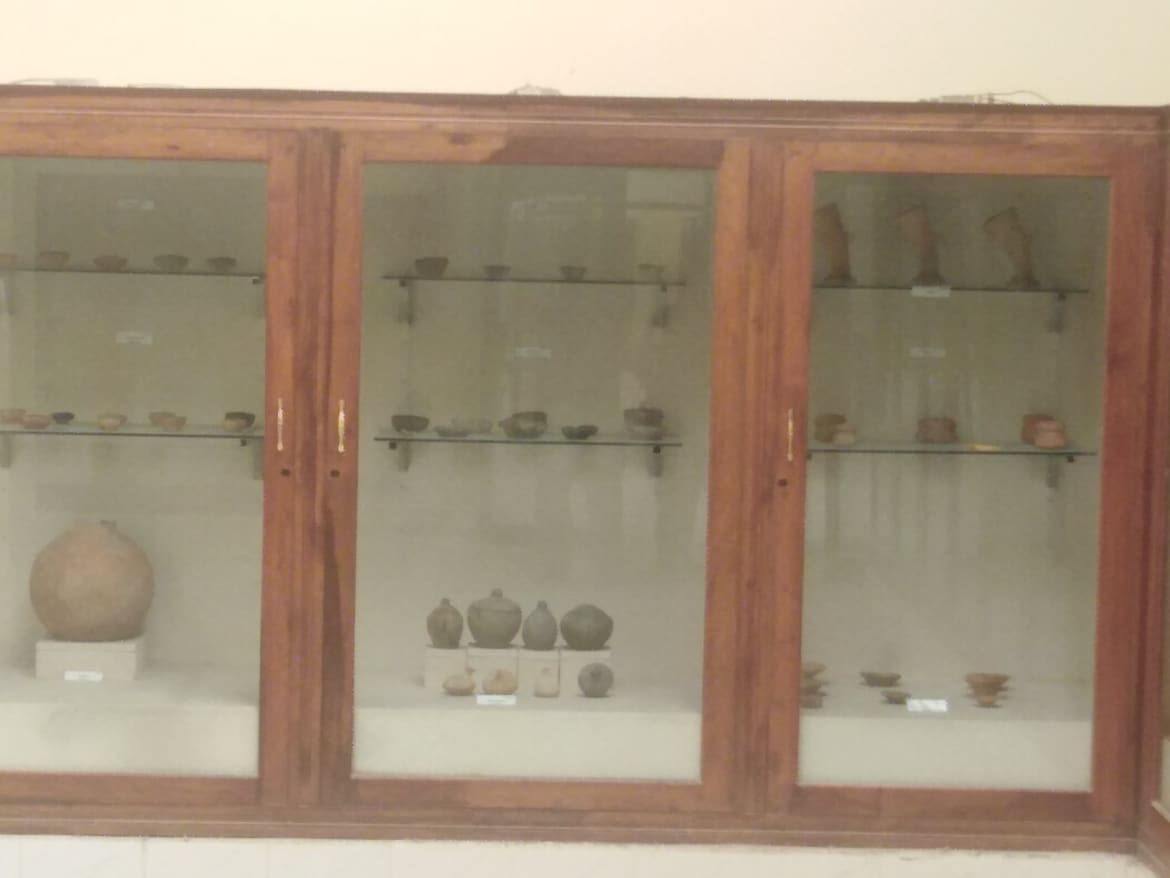
A view of utensils and other household objects made of clay being displayed at Hund Museum in Swabi, a district in Khyber Pakhtunkhwa province, on Wednesday. Hund is the site where Alexander the Great crossed the Indus River in 327 BC. In July this year, a delegation from South Korea had hinted to declare Swabi district rich in Buddhist relics, a sister city of Seoul’s Yeonggwang county, an official said. (Arab News)
Some of these include Buddhist relics such as plates, copper and iron rings, jars, utensils, stone beads, cups, semi-precious stones and other instruments of daily use.
Until the 11th century, Hund was the capital of the Hindu Shahi (879–1026) dynasty, one of the last Hindu dynasties in Afghanistan that held sway over the Kabul valle and Gandhara (modern-day northwestern Pakistan and parts of Afghanistan), Ali said, adding that Alexander the Great came to Gandhara in 326 BC and stayed in Hund, before crossing the Indus River to march toward Punjab.
A testament of this fact is the towering statue, erected in the center of the museum, which is known as the Corinthian pillar or Alexander memorial.
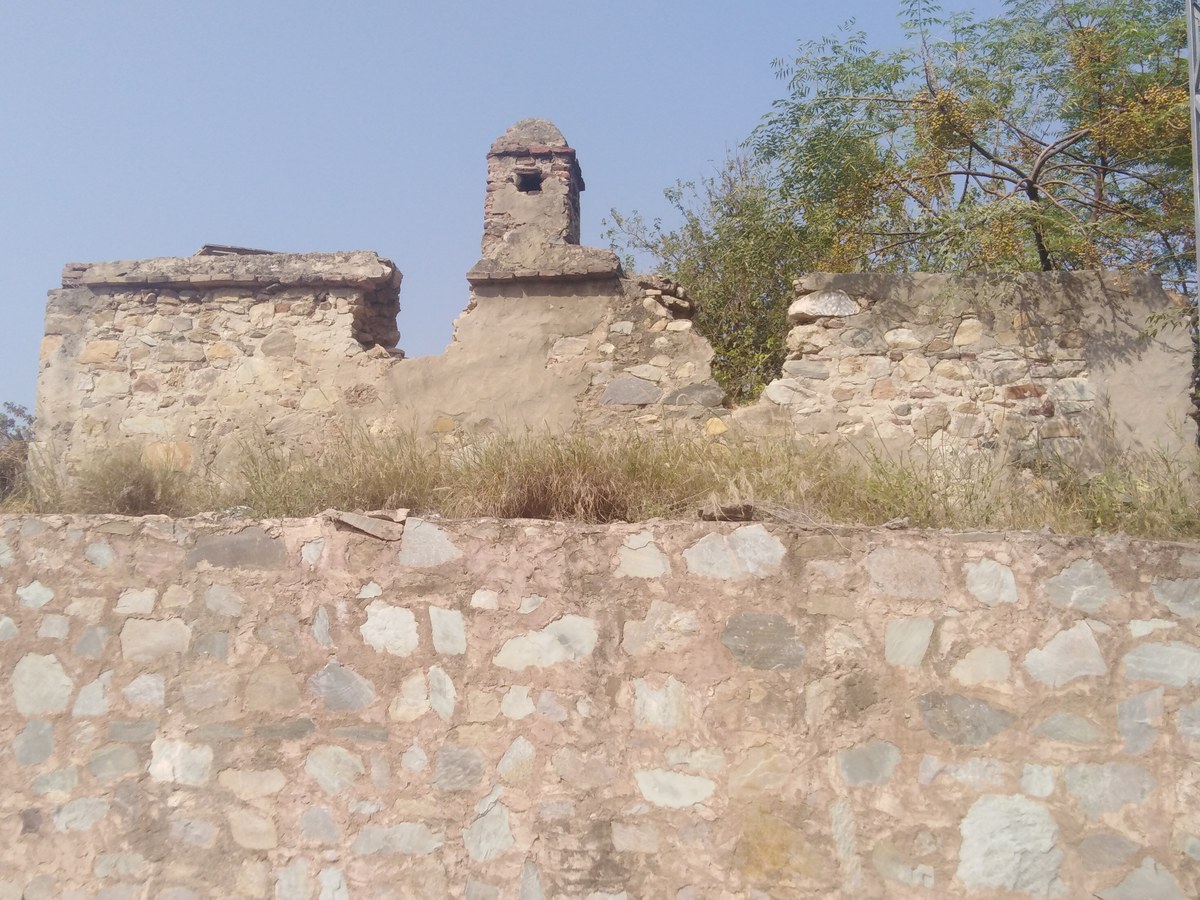
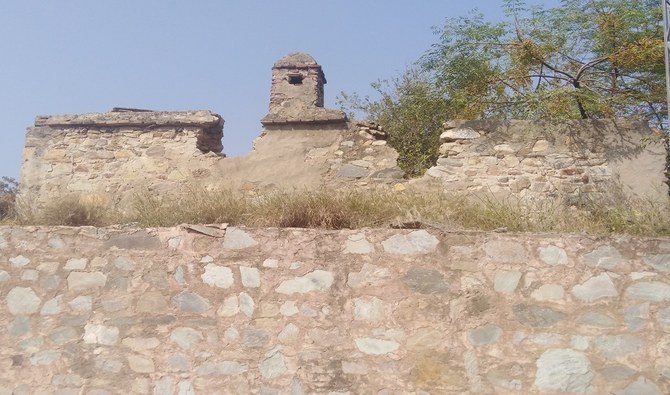
The relics of ruined walls of the Mughal King Akbar's Fort at Hund. Hund is the site where Alexander the Great crossed the Indus River in 327 BC. In July this year, a delegation from South Korea had hinted to declare Swabi district rich in Buddhist relics, a sister city of Seoul’s Yeonggwang county, an official said. (Arab News)
The museum also has relics of a fort built by Mughal emperor Akbar which attracts a huge number of local and foreign tourists to the area.
Nisar Muhammad, Public Relations Officer (PRO) for KP’s Minister of tourism, archaeology, sports, culture, and youth affairs, told Arab News that Buddhists have an emotional attachment to a number of sites in the Swabi district and other parts of the province, too.
In an earlier interview, he had said that the Pakistan Tehreek-e-Insaf (PTI) government estimates the presence of more than 1,000 sites of historical and religious importance across the province.
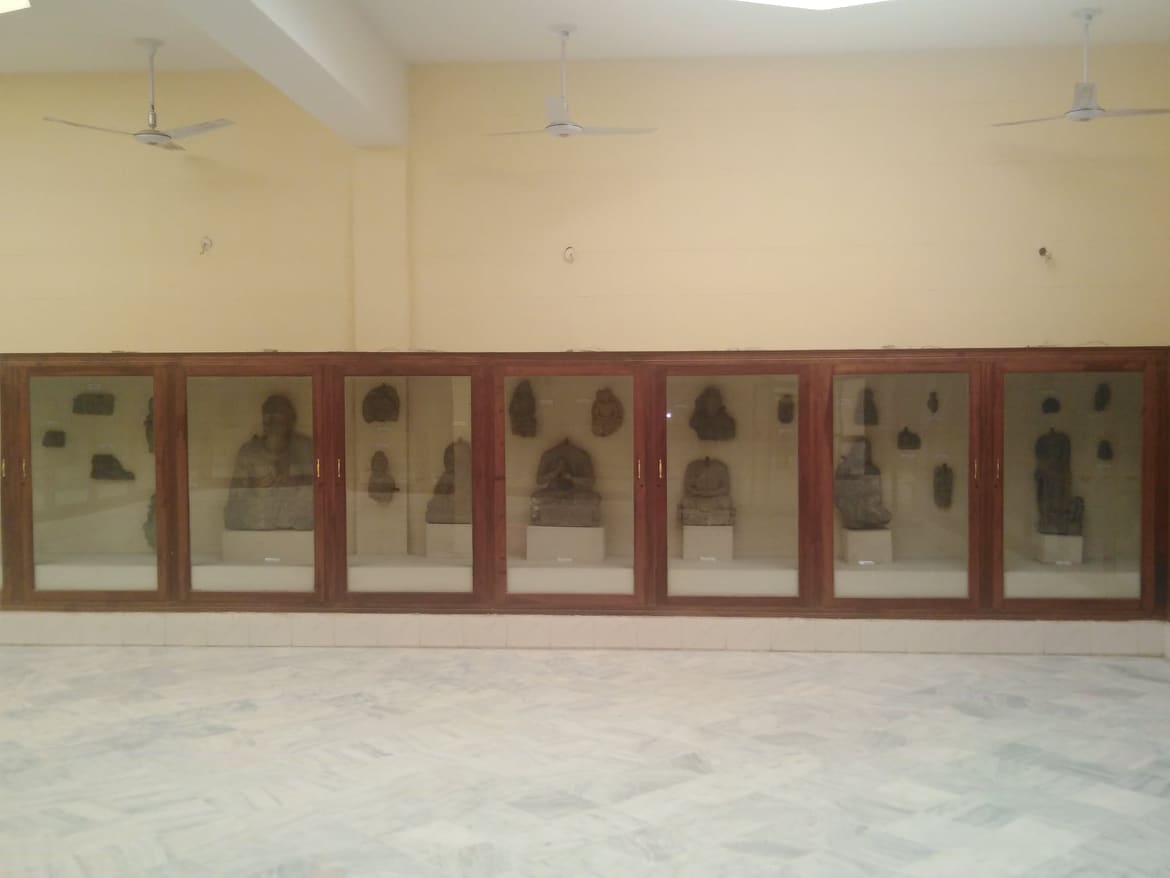
A view of images made of clay of Siddhartha Gautama (Buddha), the founder of Buddhism, are on display inside the Hund Museum in Swabi, a district in Khyber Pakhtunkhwa province, on Wednesday. Hund is the site where Alexander the Great crossed the Indus River in 327 BC. In July this year, a delegation from South Korea had hinted to declare Swabi district rich in Buddhist relics, a sister city of Seoul’s Yeonggwang county, an official said. (Arab News)
Artwork done on stupas, sculptures and coins – dating back to the early period of the Gandhara civilization – can be found in the Hund museum, too.
Wali Muhammad, a local tourist, said that while Hund was rich in religious relics that are sacred to Buddhists, the provincial government should devise a long-term strategy to preserve the historical sites in order to promote tourism to the area.
“It will give a huge boost to the district in terms of development if Pakistan and South Korea agree to declare Swabi and Yeonggwang as sister cities. Development of the area, prosperity and business tend to multiply if you preserve historical sites,” he said.
Muhammad, for his part, said that the provincial government was working hard to promote religious tourism, which would go a long way in bolstering the country’s image and boost the economy.


