WASHINGTON: US employers added a modest 136,000 jobs in September, enough to help lower the unemployment rate to a new five-decade low of 3.5 percent.
Hiring has slowed this year as the US-China trade war has intensified, global growth has slowed and businesses have cut back on their investment spending. Even so, hiring has averaged 157,000 in the past three months, enough to absorb new job seekers and lower unemployment over time.
Despite the ultra-low unemployment rate, which dropped from 3.7 percent in August, average hourly wages slipped by a penny, the Labor Department said Friday in its monthly jobs report. Hourly pay rose just 2.9 percent from a year earlier, below the 3.4 percent year-over-year gain at the beginning of the year.
The unemployment rate for Latinos fell to 3.9 percent, the lowest on records dating from 1973.
With the US economic expansion in its 11th year and unemployment low, many businesses have struggled to find the workers they need. That is likely one reason why hiring has slowed since last year.
But it’s likely not the only reason. The jobs figures carry more weight than usual because worries about the health of the US economy are mounting. Manufacturers have essentially fallen into recession as US businesses have cut spending on industrial machinery, computers and other factory goods. And overseas demand for US exports has fallen sharply as President Donald Trump’s trade conflicts with China and Europe have triggered retaliatory tariffs.
A measure of factory activity fell in September to its lowest level in more than a decade. And new orders for manufactured items slipped last month, the government reported.
Persistent uncertainties about the economy in the face of Trump’s trade conflicts and a global economic slump are also affecting hotels, restaurants and other service industries. A trade group’s measure of growth in the economy’s vast services sector slowed sharply in September to its lowest point in three years, suggesting that the trade conflicts and rising uncertainty are weakening the bulk of the economy.
The job market is the economy’s main bulwark. As long as hiring is solid enough to keep the unemployment rate from rising, most Americans will likely remain confident enough to spend, offsetting other drags and propelling the economy forward.
But a slump in hiring or a rise in the unemployment rate in coming months could discourage consumers from spending as freely as they otherwise might during the holiday shopping season.
Consumers are still mostly optimistic, and their spending has kept the economy afloat this year. But they may be growing more cautious. Consumer confidence dropped sharply in September, according to the Conference Board, a business research group, although it remains at a high level.
Americans also reined in their spending in August after several months of healthy gains. The 0.1 percent increase in consumer spending that month was the weakest in six months.
Other parts of the US economy are still holding up well. Home sales, for example, have rebounded as mortgage rates have fallen, helped in part by the Federal Reserve’s two interest rate cuts this year. Sales of existing homes reached their highest level in nearly 18 months in August. And new home sales soared.
Americans are also buying cars at a still-healthy pace. Consumers would typically be reluctant to make such major purchases if they were fearful of a downturn.


![]()

US adds 136,000 jobs; unemployment hits 50-year low of 3.5%
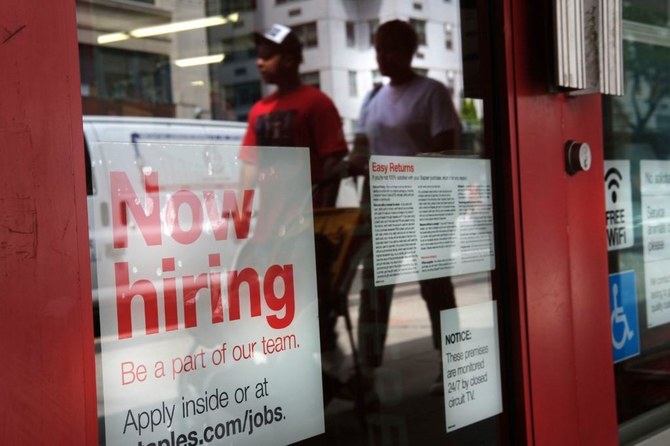
US adds 136,000 jobs; unemployment hits 50-year low of 3.5%
- Hiring has slowed this year as the US-China trade war has intensified
- With the US economic expansion in its 11th year and unemployment low, many businesses have struggled to find the workers they need


Latest updates


© 2026 SAUDI RESEARCH & PUBLISHING COMPANY, All Rights Reserved And subject to Terms of Use Agreement.