KARACHI/JEDDAH: Pakistani cybersecurity experts on Wednesday warned Internet users against investing in cryptocurrencies falsely linked to Saudi Arabia, saying there were growing incidents of phishing scams by fraudsters attempting to lure victims into investing in cryptocurrencies, especially in foreign currencies like the Saudi Riyal.
On Tuesday, the Saudi Ministry of Finance said scammers were making false claims that a “virtual currency” was linked to the Saudi riyal and would be used to finance key projects.
“These phishing or fake campaigns by fraudsters, luring Internet users to reveal personal details on a fake web page or email form pretending to come from a bank or company, are a way of getting users’ information so they can be easily subjected to fraud,” said Qazi Mohammad Misbahuddin Ahmed, the CEO of the Pakistan Computer Emergency Response Team (PakCERT), a cybersecurity services provider. He warned that victims of the scams could lose both valuable information and cash.
The warnings from Pakistani experts and the Saudi ministry of finance come in the wake of the website of a cryptocurrency company in Singapore promoting what it calls the CryptoRiyal and SmartRiyal, using the Saudi emblem of two crossed swords and a palm tree and saying the currency would be used to finance NEOM, the smart city and tourist destination being built in the north of the Kingdom.
“Trading may be taking place in CryptoRiyal and SmartRiyal but by using [the symbol of the] Riyal they have attempted to show that this (business) has Saudi backing, which has been denied by the ministry of finance of Kingdom,” Ahmed said.
“Any use of the KSA name, national currency or national emblem by any entity for virtual or digital currencies marketing will be subject to legal action by the competent authorities in the Kingdom,” the Saudi ministry said in its statement.
In April 2018, Pakistan banned Virtual Currencies (VCs) like Bitcoin, Litecoin, Pakcoin, OneCoin, DasCoin, Pay Diamond, etc. and Initial Coin Offerings (ICO) tokens as illegal and devoid of backing by the government of Pakistan. The central bank has also advised all banks and Payment System Operators and Payment Service Providers to refrain from processing, using, trading, holding, transferring value, promoting and investing in virtual currencies and tokens.
Cryptocurrency expert Dr. Assad Rizq said scammers were exploiting the ignorance of average Internet users about how virtual currencies work.
“A lot of tricks can be played,” he said. “Some of these companies are not regulated, they have no assets, and even their prospectus is sometimes copied from other projects.”
“They hype and pump their project so the price goes up,” Rizq said. “Inexpert investors, afraid of missing out, jump in, which spikes the price even higher. Then the owners sell up and make tons of money.”
Rizq said cryptocurrencies were a risky investment for two reasons: “First, the sector is not yet fully regulated and a lot of projects use fake names and identities, such as countries’ names or flags, to manipulate investors.”
“Second, you have to do your homework, learn about the technology,” the expert concluded. “And if you still want to invest, consider your country’s rules and regulations.”


![]()

Pakistani cybersecurity experts warn against cryptocurrencies falsely linked to Saudi Arabia
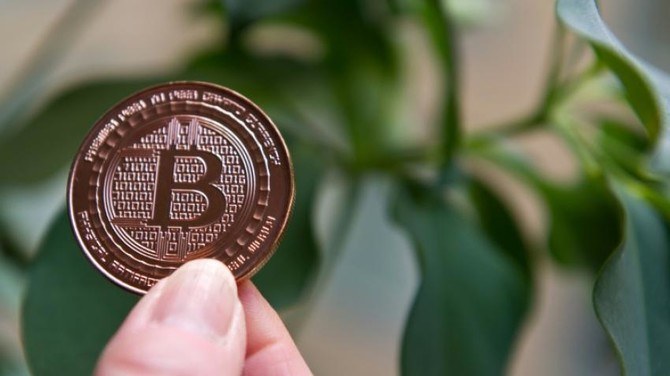
Pakistani cybersecurity experts warn against cryptocurrencies falsely linked to Saudi Arabia
- Say growing incidents of phishing scams luring victims into investing in cryptocurrencies purportedly linked to Saudi Riyal
- The Saudi ministry of finance says any use of the Kingdom’s name, currency or emblem will be subjected to legal action
Latest updates






© 2026 SAUDI RESEARCH & PUBLISHING COMPANY, All Rights Reserved And subject to Terms of Use Agreement.