



ISLAMABAD: Last weekend, one of India’s most famous actors, a global movie star and Unicef goodwill ambassador, Priyanka Chopra, was accused of encouraging nuclear war by a Pakistani-American influencer in Los Angeles. The very public accusation came just days after India had stripped the disputed region of Kashmir of its constitutionally assured legal autonomy, placed the entire state on virtual lockdown, heavily militarised the region and cracked down violently on protesters in reports published by the BBC, The New York Times and others.
The showdown between Chopra and 28-year-old influencer Ayesha Malik happened in an unlikely place for politics, at LA’s Beautycon 2019, a multi-day conference featuring talks from celebrities to beauty brands and influencers.
It was there, during a panel Q&A that Malik said Chopra was a “hypocrite” who had encouraged nuclear war between India and Pakistan.
Malik referenced a Twitter post from February 26 where Chopra had tweeted, “Jai Hind #IndianArmedForces,” which loosely translates to Long Live India and is a slogan most often used in political speeches.
Chopra’s tweet had come as India launched air strikes on Pakistani territory — leading to counter strikes by Pakistan. It was also the first time in history that two nuclear-armed countries carried out airstrikes against each other, with a dogfight fought in the skies over Kashmir and an Indian plane shot down on Pakistan’s side.
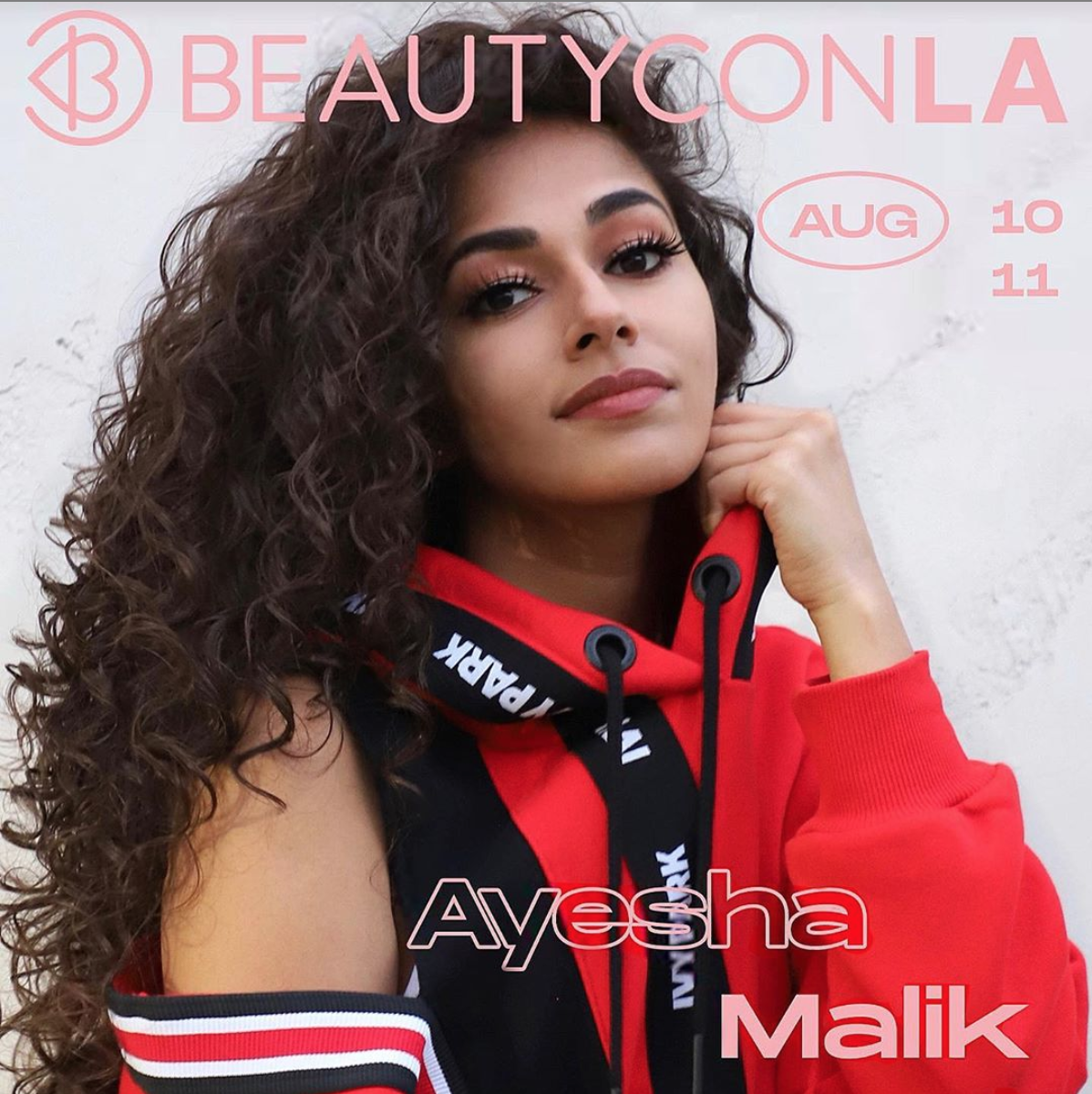
Photo Courtesy: Ayesha Malik's Instagram
The incident received worldwide attention, with Pakistan eventually returning the captured pilot of the downed Indian jet as a gesture of goodwill. In Bollywood however, the voices were far less diplomatic with a host of actors including Chopra tweeting “Jai Hind” in support of the Indian army.
Now, months away from Chopra’s tweet, tensions are once more inflamed over Kashmir between the two nuclear-armed countries.
Last Saturday, Malik, whose Instagram account “Spisha” has more than 100,000 followers, happened to be passing by Chopra’s panel at Beautycon and overheard her talking about her humanitarian work. In an unplanned move, she ended up inside the room with a microphone during the Q&A at the end of the panel.
“So it was kind of hard hearing you talk about humanity, because as your neighbor, a Pakistani, I know you’re a bit of a hypocrite,” Malik said.
“You are a Unicef ambassador for peace, and you’re encouraging nuclear war against Pakistan. There’s no winner in this,” she said and added that millions in Pakistan had supported Chopra’s career in Bollywood. Soon after, her microphone was snatched away by security. This prompted Malik to shout out the rest of her question to the actor.
Chopra’s handling of the question has been widely criticized around the world as demeaning and dismissive. She told Malik to “stop yelling” and “stop embarrassing yourself” just minutes after she had concluded talking about the importance of women upholding and supporting one another.
“I hear you,” she said. “Whenever you’re done venting... Got it? Done? OK, cool.”
“So, I have many, many friends from Pakistan, and I am from India, and war is not something that I am really fond of, but I am patriotic,” Chopra said. “So, I’m sorry if I hurt sentiments to people who do love me and have loved me, but I think that all of us have a sort of middle ground that we all have to walk, just like you probably do, as well,” she said.
“Girl, don’t yell,” Chopra said. “We’re all here for love. Don’t yell. Don’t embarrass yourself. But we all walk that middle ground, but thank you for your enthusiasm and your question and your voice.”
Swiftly, Chopra was trending on Twitter globally and particularly in Pakistan, Pakistani actor Armeena Khan wrote an open letter to Unicef urging them to pay attention to Chopra’s language and behavior and strip her of her title.
Mehwish Hayat, an actor who was recently conferred Pakistan’s prestigious “Pride of Performance” award, spoke of Bollywood’s negative portrayals of Pakistan at an event in Oslo and later penned down an opinion piece for CNN about the entire situation with Chopra and artists’ responsibilities with their powerful platforms.
Hayat broke down Chopra’s behavior from “Jai Hind” to Beautycon, and wrote about how Chopra’s was a dangerous patriotism blind to reality, particularly in the case of Kashmir. She said Bollywood was adding fuel to the fire in global Islamaphobia by consistently displaying both Pakistanis and Muslims as terrorists.
Chopra has yet to respond to any of the backlash against her, including a petition to have her removed as a Unicef goodwill ambassador which has amassed over 200,000 signatures.



