
DOGAR UMARZAI, Pakistan: At the break of dawn on Eid-Al-Adha every year, Naeem Jan knows exactly how the rest of his day will fan out.
As has been the tradition for decades now, Jan, an octogenarian, will join several others to welcome all and sundry to his village of Dogar Umarzai – a small hamlet located along the periphery with the North Waziristan tribal district – for Eid celebrations with traditionally-cooked food and drink.
He told Arab News that while some people might disagree, Eid for him and his fellow villagers was all about enjoying authentic cuisine with everyone – irrespective of their caste, creed and religion.
“Soon after we wake up early in the morning on Eid day, everyone keeps their doors open for all, including uninvited guests, to serve them traditional cuisine,” Rafiullah Wazir, another resident of the dusty town told Arab News.
Jan said that while the culture of cooking authentic cuisine had taken a nosedive, his village took the credit for keeping the traditions alive, including the exchange of gifts and preparing “food and meat in a special way.”
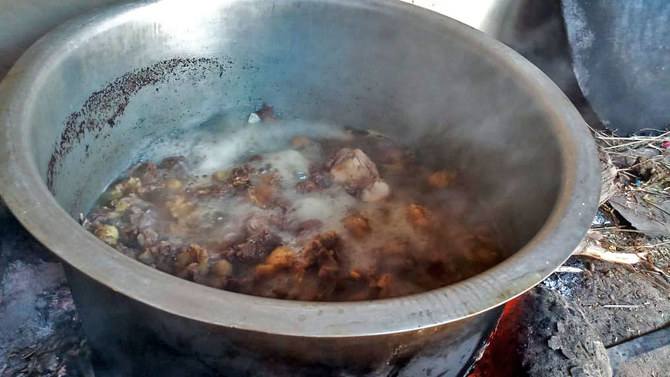
Three dishes in particular, he said, took the cake. These are Kharra Ghwakha where a whole lamb, goat or beef or mutton ribs are cooked on fire; Londi which is essentially spiced lamb jerky cooked with rice; and Shorwa or soup which is made with mutton or beef and eaten with chunky Doday, a flat bread baked in vertical clay ovens called the Tanoor.
All of this is washed down with freshly-made goblets of Shomleh – a yoghurt-based drink infused with salt and dried mint leaves.
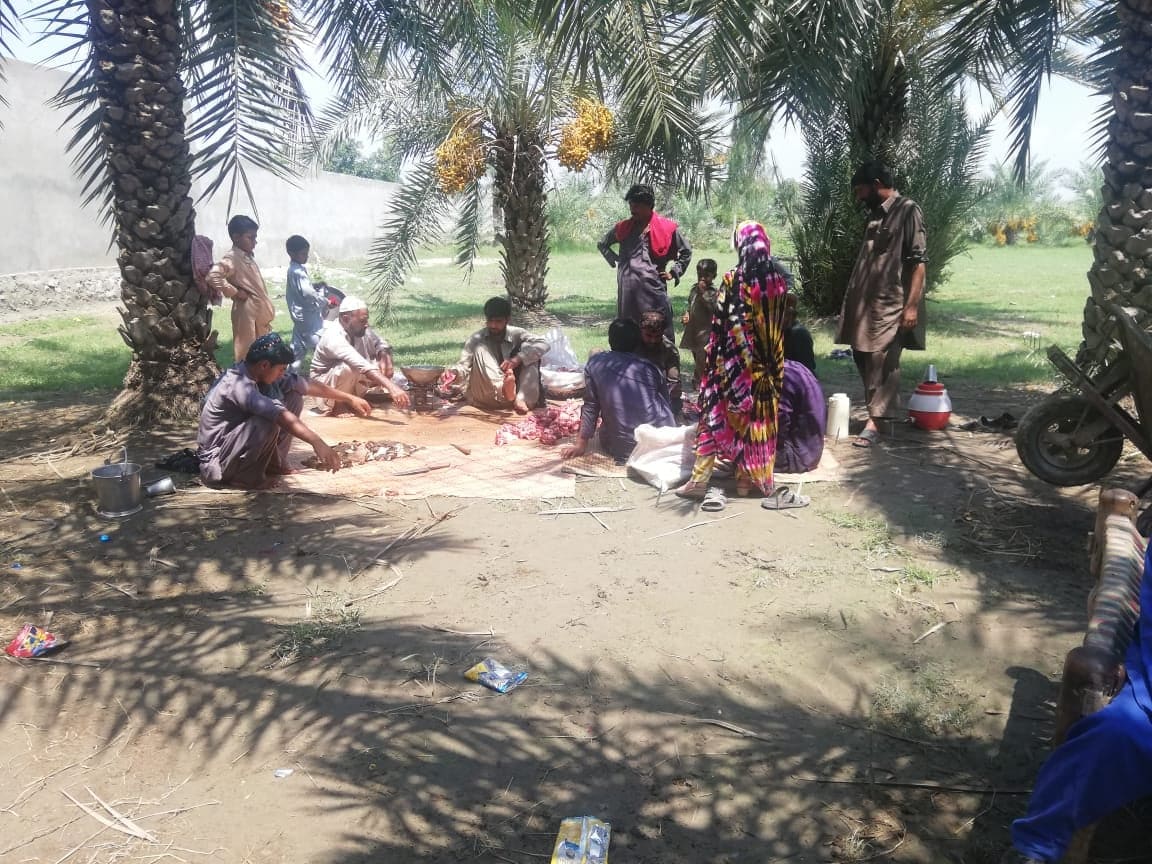
A family leaves after slaughtering a bull on Eid day, August 12, 2019 in Dogar Umarzai, a village in northwestern Khyber Pakhtunkhwa (KP) province. The village is situated on the periphery of North Waziristan tribal district, which is known for traditional foods where people keep their doors open for all on Eid day.
Wazir said that because these dishes are cooked in a traditional manner, the taste is unprecedented and cannot be found anywhere else, not even in his home province of Khyber Pakhtunkhwa (KP).
“Unlike the rest of Pakistan, people of this region use spices which are neither too hot nor pungent, while ensuring that the meat is not bland either. Once you taste these dishes, you will long for our traditionally-cooked foods, which have a perfect blend and great taste,” Wazir said.
He added that the day of Eid also sparks a sort of competition among villagers, with each looking to outdo the other.
Farhad Khan, another villager who works in the private sector in the garrison city of Rawalpindi, said that apart from regular dishes that are cooked on Eid, an effort is made to familiarize young children with special foods such as Litai and Soobat.
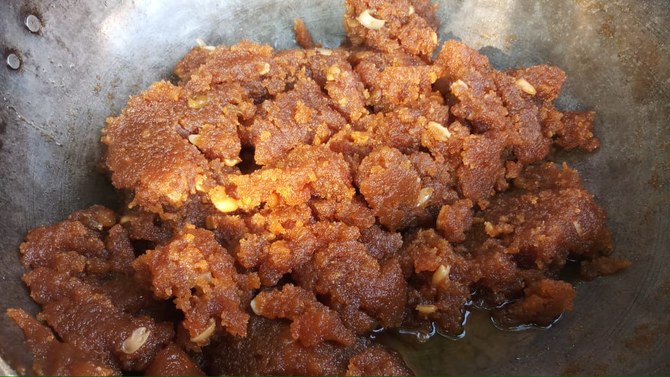
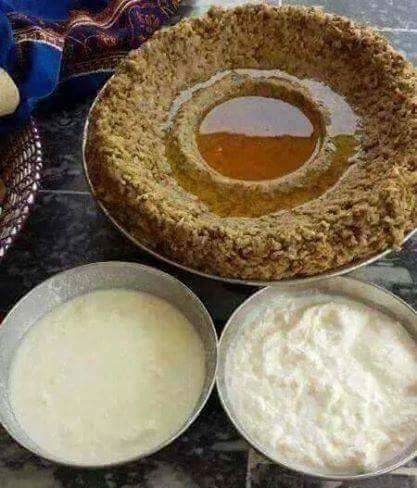
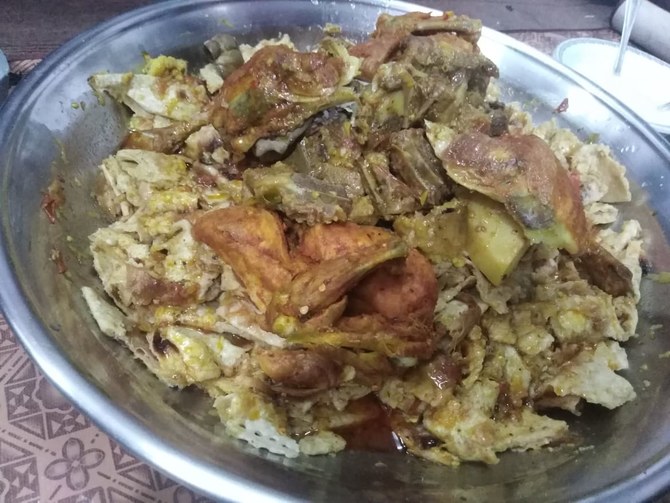
Litai, which is made using pure ghee, mutton, dry fruits and flour, has a very high nutritive value, he added, while Soobat is a mutton or beef dish served to a group of persons in a large bowl.
“In western or even Pakistani culture, unexpected or uninvited guests may be considered rude, but we welcome everyone on Eid. In our culture, going away hungry from our Hujras (guesthouse) or homes, even if it’s not Eid, is something that never happens,” Khan said.
He added that it’s creativity galore on Eid, with no two homes preparing the same dish, thereby contributing to a wonderful variety of exotic flavors. One such dish is Dampukht, a dish comprising meat and cooked extensively using good fats; while another is Kook--- a rock-hard bread that is dipped in soup.
This is usually followed by an array of desserts, with Zarda or sweet rice cooked with saffron and dry fruits being the top choice for most.
This year, Eid-Al-Adha was celebrated on August 12 and will be followed by Independence Day festivities on August 14, which has already multiplied the reasons for jubilation across the country, Jan said.
Even more reason to eat and be merry, he added.
“For years now, our village is known for traditional food. People living in upscale cities enjoy the food of Dogar Umarzai because its food never changes in taste,” Jan added.