BEIJING: US electric vehicle maker Tesla Inc is considering lifting its prices in China from September amid yuan-related uncertainty, two people familiar with the matter said.
The people declined to be named as the plan has not been made public. They did not offer detail on the price change.
China allowed the yuan to weaken past the 7-per-dollar level on Monday for the first time in more than a decade, after which the US government labelled China a currency manipulator, raising the stakes in the trade dispute between the two countries.
China firmly opposes the currency manipulator label saying it has not used and will not use the yuan to cope with the US trade frictions.
The sharp drop in the yuan comes days after US President Donald Trump stunned financial markets by vowing to impose 10% tariffs on the remaining $300 billion of Chinese imports from Sept. 1, abruptly breaking a brief ceasefire in a trade war that has disrupted global supply chains and slowed growth.
Tesla currently imports all the cars it sells in China, but it is in the process of building a factory in Shanghai that will manufacture Model 3 cars in the initial phase and help it minimize the impact of the trade war and tariffs.
If enacted, this would be the first case of a planned price adjustment by an importer since the yuan fell this week and points to the growing pressure that importers are facing.
Tesla broke ground on the Shanghai factory in January and its Chief Executive Officer Elon Musk has said the firm aims to finish initial construction this summer and start production of the Model 3 towards the end of the year.
Deliveries of all models in the second quarter this year rose 51% from the first quarter to 95,200 vehicles, including 77,550 Model 3s, 17,650 Model S and X.
Last month, Tesla globally dropped the standard-range variants of its Model X and Model S from its product lineup and adjusted prices across its range.
In China, the world's largest electric vehicle market, the trade frictions between China and the US has caused Tesla to adjust its multiple times over the past year because of the tariff changes.


![]()

Tesla said to be considering raising prices in China
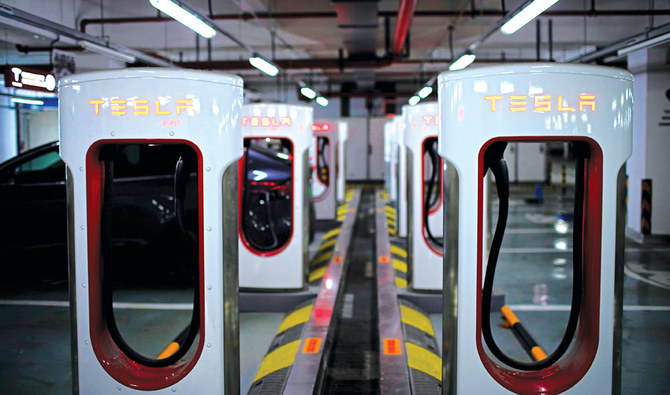
Tesla said to be considering raising prices in China
- Company may raise prices starting in September


Latest updates


© 2026 SAUDI RESEARCH & PUBLISHING COMPANY, All Rights Reserved And subject to Terms of Use Agreement.