Pakistani Hajj medical mission gives 24/7 free health care to pilgrims

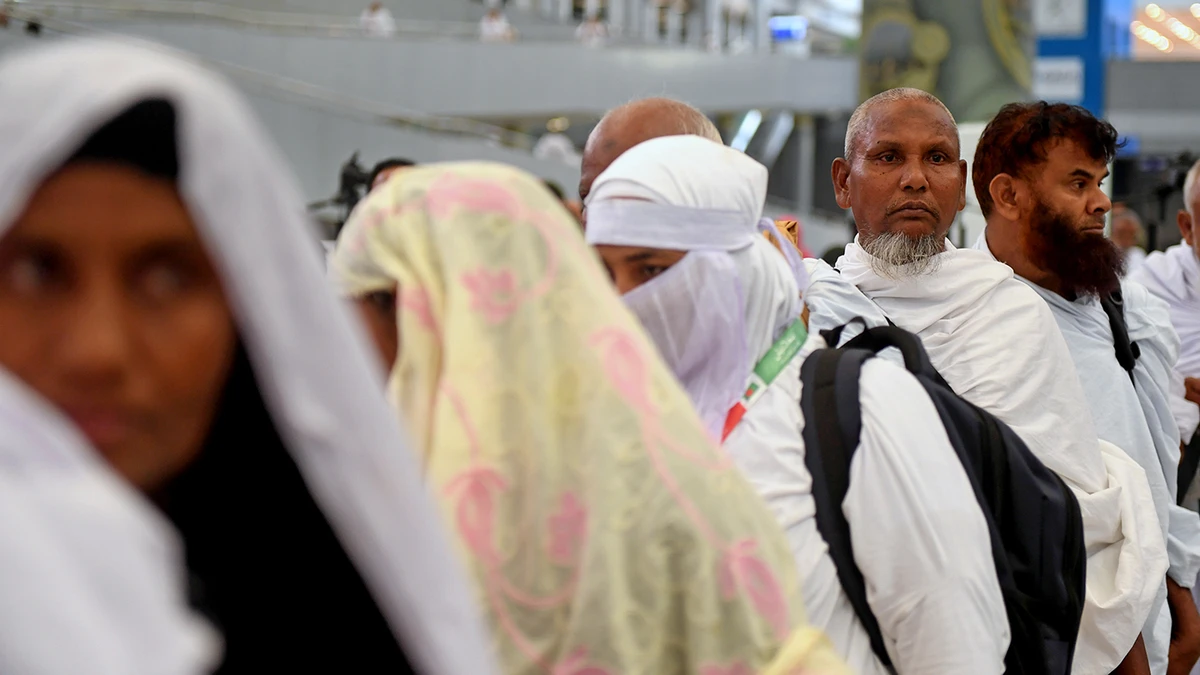
Muslim pilgrims queue for passport control at King Abdulaziz International Airport in Jeddah on July 7, 2019, prior to the annual Hajj pilgrimage in the holy city of Mecca. (AFP)
Updated 22 July 2019
Follow

Pakistani Hajj medical mission gives 24/7 free health care to pilgrims

  • Two separate hospitals in Makkah and Madinah have been set up with 180 doctors
  • Patients with complex diseases are referred to Saudi hospitals where they get free treatment

ISLAMABAD: A dedicated team of doctors and paramedics from Pakistan has been providing round-the-clock, free of cost medical services to Pakistani Hajj pilgrims in collaboration with the Saudi Ministry of Health, officials said on Sunday.
This year, a total of 200,000 Pakistanis are performing Hajj, a one-time religious ritual mandatory for all Muslims who can afford it. The annual pilgrimage to Makkah is believed to be the world’s largest gathering of its kind, with over two million Muslims attending from across the globe.
“We have deployed fully equipped teams of doctors and paramedics here in Jeddah, Makkah and Madinah to provide timely medical care to our pilgrims,” Pakistan’s director for Hajj, Tariq Mahmood, told Arab News. 
He said the Pakistan Hajj medical mission had set up a 35-bed hospital in Makkah and a 10-bed facility in Madinah. In total, the Hajj mission is staffed with 180 doctors including 45 women doctors.
There are other medical personnel as well, including more than 100 nurses, paramedics and dispensers.
The Hajj mission hospital is fully equipped with a state-of-the-art laboratory, x-ray machine, pharmacy and dentistry, Mahmood said, adding that nine dispensaries have also been set up near the pilgrims’ accommodation. 
Dr. Asif Ali, head of Pakistan’s Hajj medical mission, said that this year, the number of ambulances have been increased from 9 vehicles to 18, to deal with any emergency. 
“We are providing medical care to more than five hundred patients daily,” he said. 
It can be assumed this number will spike higher as more pilgrims arrive. 
Patients who come in with severe and complicated disorders and diseases, Ali said, are referred to Saudi hospitals where they are provided free treatment.
“We are thankful to the Saudi government for providing the best medical facilities to Hajj pilgrims,” he added.
Pakistan’s Hajj pilgrims include elderly people, pregnant women and people with chronic diseases like diabetes, asthma, hypertension and cardiac issues who require regular check-ups and treatment during their stay in Makkah and Madinah. 
“All public and private hospitals of Saudi Arabia remain fully manned during the Hajj season to provide timely medical care to pilgrims of all nationalities,” Dr. Khalid Abbas Asadi, a doctor at the Dr. Hamid Sulaiman Al-Ahmadi Hospital for 32 years, told Arab News.
He advised Hajj pilgrims to consume the maximum amount of water and fluids during the day, and get proper sleep. He also asked those with pre-existing medical conditions to take their medicines regularly. 
“All Hajj pilgrims are accorded a status of VVIP guest here in Saudi Arabia, therefore it is our foremost duty to take care of them and provide them with all facilities, including medical care,” Asadi said.



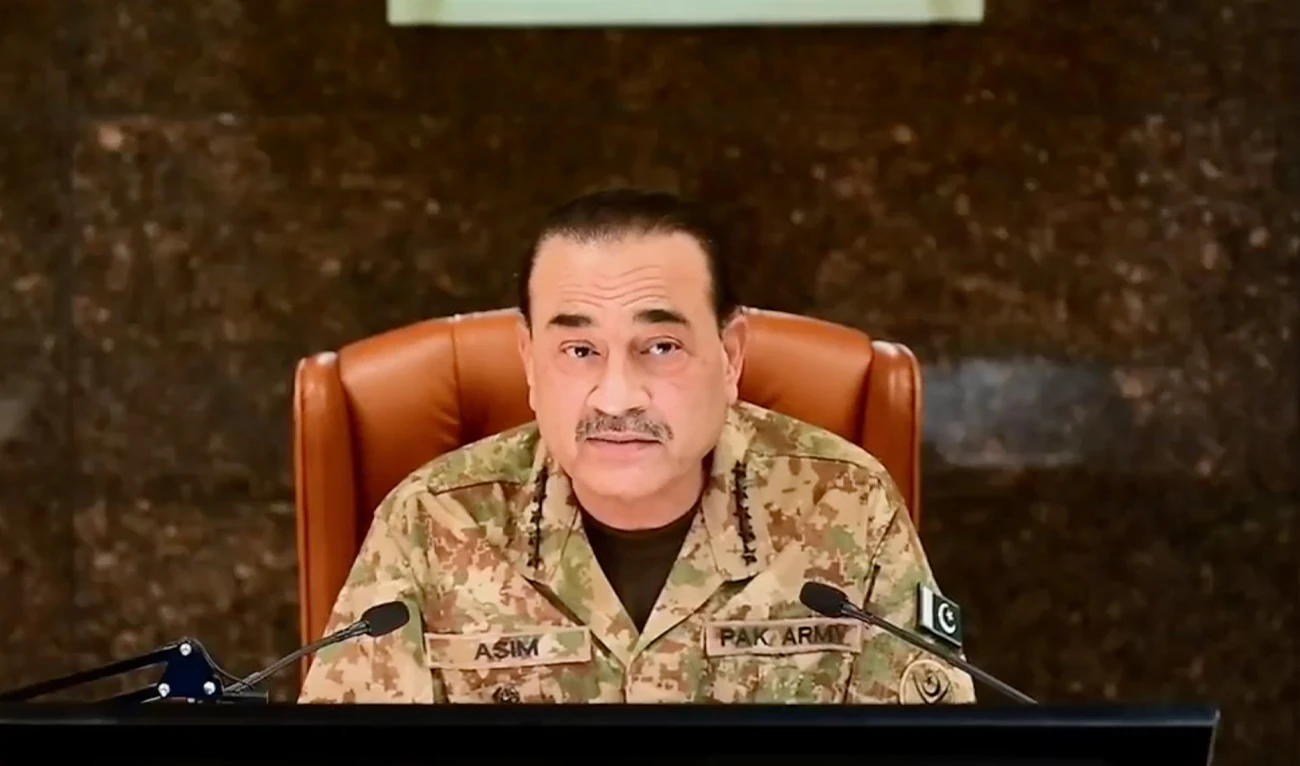
Pakistan says it seized 32 square kilometers inside Afghanistan as border clashes escalate

Updated 28 February 2026
Follow

Pakistan says it seized 32 square kilometers inside Afghanistan as border clashes escalate

  • Security official describes ‘limited tactical action’ in Gudwana after Afghan assaults
  • Islamabad accuses Kabul of sheltering militants as UN, China and Russia urge restraint

ISLAMABAD: Pakistan has seized a 32-square-kilometer area inside Afghanistan following overnight fighting, a security official said on Saturday, as cross-border clashes between the two countries escalated sharply.

A Pakistani security official, speaking on condition of anonymity, said troops carried out a “limited tactical action” in the Gudwana area opposite the Zhob sector along the frontier, capturing Afghan territory after responding to attacks on Pakistani positions.

“On the night of Feb. 26/27, posts opposite the Zhob sector launched anticipated physical attacks on multiple Pakistani positions,” the official said, referring to fighters linked to Afghanistan’s Taliban authorities, whom Islamabad identifies as Tehreek-e-Taliban Afghanistan (TTA).

“In response to aggressive unprovoked fire and physical attacks, Pakistan security forces launched a limited tactical action on the night of Feb. 27/28 in the general area of Gudwana with a view to capture TTA Tahir Post,” he continued, adding that 32 square kilometers of Afghan territory were seized.

The official said special combat teams crossed the border after preparatory bombardment, supported by intelligence, surveillance and reconnaissance assets providing “real-time battlefield awareness.”

He said 24 Afghan Taliban fighters were killed and 37 wounded, with no Pakistani casualties reported.

The claims could not be independently verified, and there was no immediate confirmation from Taliban authorities in Kabul of any territorial loss in the Gudwana area.

The latest clashes erupted after Pakistani airstrikes targeted what Islamabad described as militant hideouts inside Afghanistan over the weekend, triggering retaliatory fire along the frontier and sharply escalating long-running tensions. Islamabad accuses Kabul of sheltering Pakistani Taliban militants responsible for attacks inside Pakistan, an allegation that Afghanistan denies.

Pakistan’s Information Minister Attaullah Tarar said on Saturday evening that 352 Afghan Taliban fighters had been killed and more than 535 wounded since the latest phase of hostilities began.

Tarar said Pakistani strikes had destroyed 130 check posts, 171 tanks and armored vehicles and targeted 41 locations across Afghanistan by air. Those figures could not be independently verified.

The United Nations, as well as China and Russia, have called for restraint.

The United States said Pakistan has the right to defend itself against cross-border militancy.