KARACHI: Pakistan has started reimbursing to 117,000 pilgrims approximately $31.8 million in Hajj funds saved by the government on account of transportation and accommodation facilities in Makkah and Madinah, the Ministry of Religious Affairs said on Saturday.
“For the first time the government has started reimbursing money to Hajj pilgrims to the tune of Rs5 billion,” Imran Siddique, a spokesman for the Ministry of Religious Affairs, told Arab News. “The pilgrims will be returned a minimum of Rs26,000 and a maximum Rs67,000 back this year.”
Around 200,000 Pakistanis will perform Hajj this year, of which 120,000 are utiizing a government scheme and 80,000 are using private travel operators.
Under the government scheme the pilgrims are provided accommodation and transportation facilities in Makkah and Madinah.
Explaining how the government had saved on Hajj accommodations and transportation, Siddique said: “50,000 Pakistanis would travel through train service while the rest (67,000) of the pilgrims would not be able to avail this services due to the ticket quota allocation to the country, as only 300,000 people can travel via train.”
“The train fare is 500 Saudi riyal. Those who could not avail the train services will get the money back, which is approximately PKR 22,000,” Siddique added. “This is how the money on account of transportation is saved and would be refunded.”
Similarly, he continued, 96,000 Hajj pilgrims would be provided with accommodation in Markazia, a central area very close to Masjid-e-Nabawi, in Madinah while 21,000 would be provided accommodation away from the central area.
Around 500 Saudi riyal per night would be saved by those who stayed away from the center and this money would be reimbursed, Siddique said.
He said the process of reimbursing pilgrims had already started on Thursday.
“Last year we had deposited Rs283,000 with our application” housewife Naziran Bibi, who will go for Hajj next week with her mother and brother, told Arab News. “This year we have submitted Rs427,900 but we have not yet been refunded.”
Siddique said all banks had been directed to set up booths in Hajji Camps to refund the money to pilgrims: “Those who have not received it yet will get their money back before their scheduled flights,” he said.


![]()

$31.8mln saved in Hajj arrangements being reimbursed to pilgrims: Religion Ministry
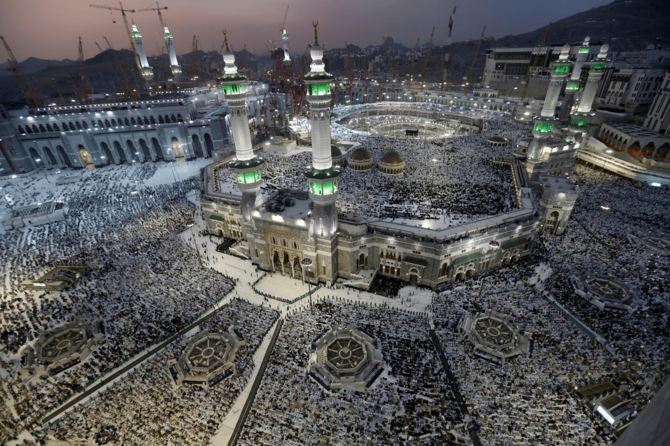
$31.8mln saved in Hajj arrangements being reimbursed to pilgrims: Religion Ministry
- Savings are the result of the government arranging ‘smart’ accommodation and transport facilities in Makkah and Madinah
- Around 200,000 Pakistanis will perform Hajj this year, of which 120,000 are utilizing a government scheme
Latest updates




© 2026 SAUDI RESEARCH & PUBLISHING COMPANY, All Rights Reserved And subject to Terms of Use Agreement.