

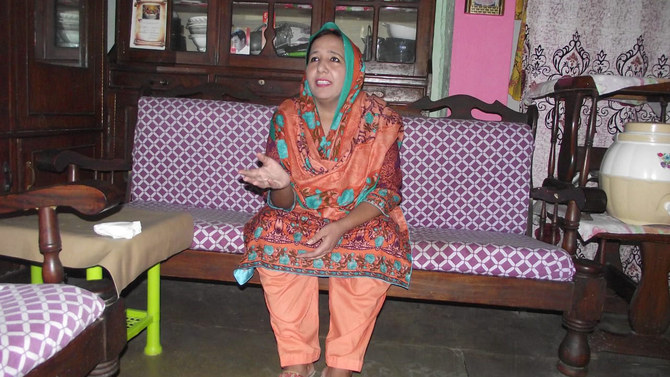

PESHAWAR: Suriya Bibi does not belong to the religion that is the customary entry ticket to politics in Pakistan, a Muslim majority nation of 208 million. She is a minority Christain and hails from Khyber agency, a district that until less than a year ago was part of the restive tribal regions ruled by colonial era-laws and where women were restricted in their movements, rarely left their homes, and were overwhelmingly denied the right to vote. But Bibi, 45, wants all that to change.
Next month — under a new law that has paved the way for the merger of the seven tribal regions known as the Federally Administered Tribal Areas with the northwestern Khyber-Pakhtunkhwa (KP) province — Bibi will take part in the area’s first provincial assembly election exercise.
Not only will Bibi contest the ballot, she will do so from the platform of the conservative Jamiat Ulama-e-Islam-Fazl (JUIF) Islamist party.
In an exclusive chat with Arab News, Bibi said she had decided to opt for a JUIF ticket “because the religious-political party believes in the service of humanity irrespective of caste, creed and religion.”
According to the Election Commission of Pakistan, elections will be held on July 20 on 16 provincial assembly seats of the erstwhile Federally Administered Tribal Areas.
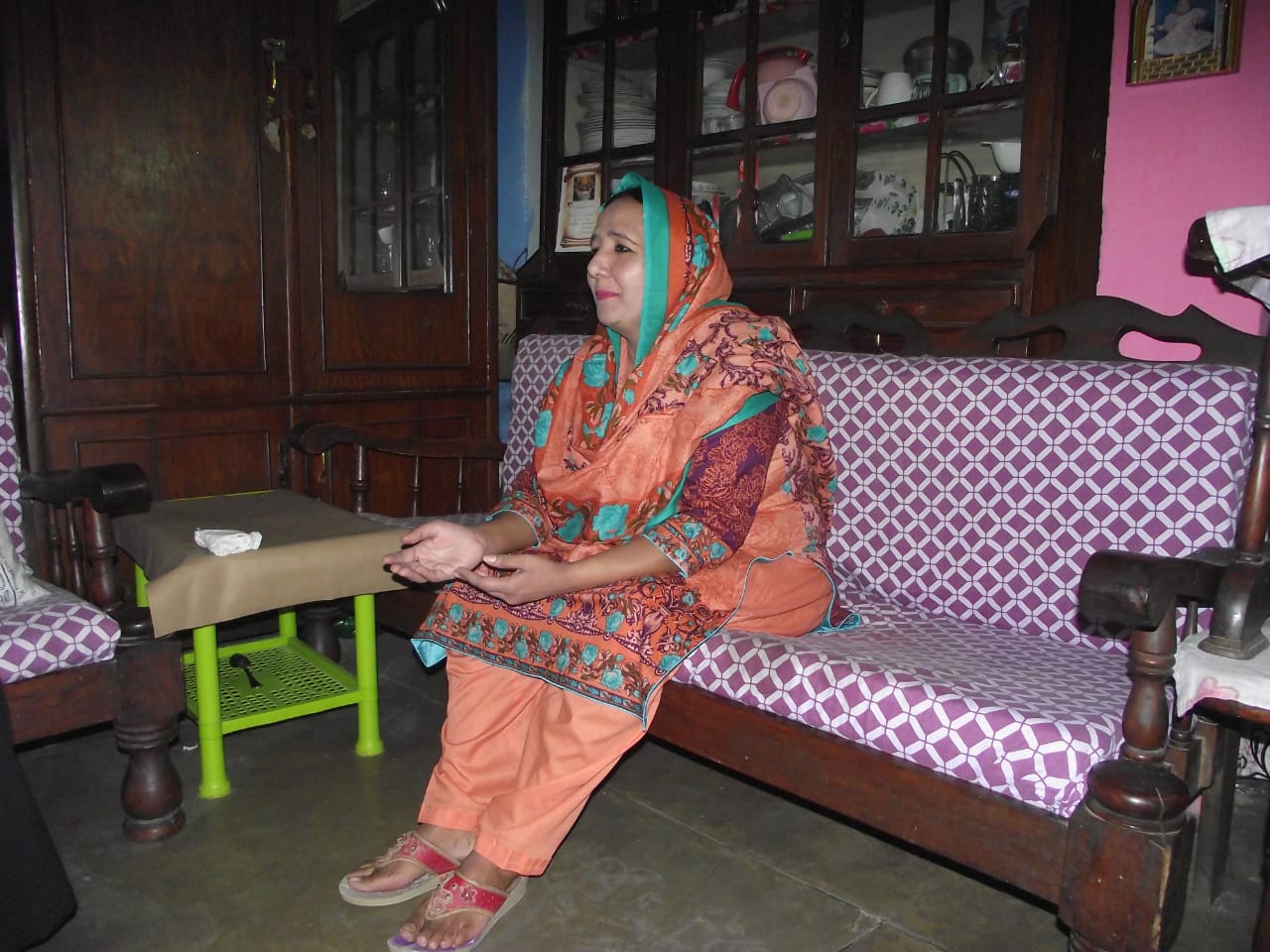
Suriya Bibi, a minority Christian politician, poses for a picture on June 18, 2019, before she leaves for a door-to-door campaign on a conservative Jamiat Ulama-e-Islam-Fazl ticket for elections in the Khyber tribal district in Pakistan. (AN photo)
Last month, a new amendment bill proposed to increase the seats of the tribal areas in the National Assembly from six to nine, while the region’s seats in the Khyber Pakhtunkhwa assembly was upped from 16 to 20 seats. The bill needs approval by the upper house of parliament and then by the KP assembly before it is signed into law by the president of Pakistan.
As per the amended Article 106, the provincial assembly will have a total of 145 seats, including 115 general seats, four for non-Muslim communities and 26 seats reserved for women.
Of 145 seats in theKP assembly, the erstwhile FATA will now have 21 seats, including 16 general seats, one reserved for non-Muslims and four for women.
Mufti Ijaz Shinwari, a general secretary of the JUI-F, said the party awarded a ticket to Bibi as part of a long-standing policy to offer a chance to minority communities to serve the community. Aasiya Nasir Masih, a Christian, is already a sitting JUIF minority member of the National Assembly, he said.
“We don’t differentiate among people on ethnic or religious grounds,” Shinwari said. “We believe those should come forward who want to serve the masses because politics is the name of serving humanity.”
Bibi, who hails from Landi Kotal, the main town in Khyber tribal district, said she had lived most of her life as a housewife raising her only daughter, but had always been disturbed by the powerlessness of women in her community and the little access they had to health care, education and other rights.
She says she initially had no intention of entering politics but frequent trips to Peshawar, the capital of Khyber Pakhtunkhwa province, exposed her to women actively taking part in the workforce, going to school and visiting shops and hospitals.
“This is all absent in the tribal areas,” Bibi said. “Women of our area live in a vortex of problems. This is why I decide to jump into politics and thought the provincial assembly would be the best forum to raise my voice for downtrodden women.”
She said her main aims were to employ female doctors at hospitals and build more girls schools “so that women can take part in the nation-building process.”
During her door-to-door election campaign — she has not held any rallies due to cultural sensitivities — Bibi said she had been warmly welcomed by women of the area.
Niamat Afridi, a college student who said she was a staunch supporter of Bibi, said most people considered it a positive development that a woman was running for elections in the deeply conservative area.
“I think her victory will have a far-reaching positive effect on the lives of tribal women,” Afridi said. “She knows first-stand about issues confronting women of these areas.”


