ISLAMABAD: Pakistani Prime Minister Imran Khan has approved the establishment of a new high-powered government body, the National Development Council (NDC), of which the country’s all-powerful army chief will be a member, a federal government notification issued on Tuesday said.
The memo said Khan would chair the eleven-member council comprising federal ministers, provincial chief ministers and federal secretaries. Army chief General Qamar Javed Bajwa’s formal inclusion in the body is unprecedented even by Pakistani standards, a country in which the military has ruled for almost half its history.
The council includes the Federal Minister for Foreign Affairs, Federal Minister for Finance/Adviser to the Prime Minister on Finance, Federal Minister for Planning, Development & Reform, Federal Minister for Commerce/Adviser to the Prime Minister on Commerce, Industries & Production and Investment, Secretary to the Prime Minister, Secretary Foreign Affairs Division, Secretary, Finance Division, Secretary, Planning, Development & Reforms Division and the four provincial chief ministers.
The Azad Jammu and Kashmir Prime Minister, and the chief minister of Gilgit-Baltistan will be also be members of the body on invitation. The additional secretary of the Prime Minister’s Office will be the secretary of the council.
Defining the terms of reference (ToRs) of the council, the notification said it would set “policies and strategies for development, formulate and trailer policies to achieve accelerate economic growth, approve long term planning for national and regional connectivity and provide guidelines for regional cooperation.”


![]()

Pakistani PM names army chief to new national development council
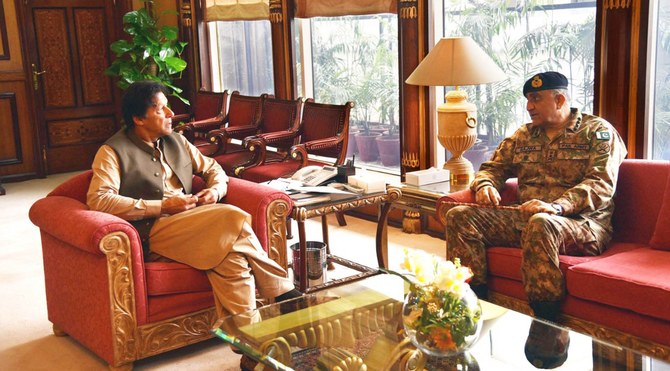
Pakistani PM names army chief to new national development council
- New body will formulate policies, approve long-term planning, provide guidelines for regional cooperation
- The formal inclusion of the army chief in a development policy-making body is an unprecedented move
Latest updates


Recommended


© 2026 SAUDI RESEARCH & PUBLISHING COMPANY, All Rights Reserved And subject to Terms of Use Agreement.