KARACHI: It might not be the end of the world, but try telling that to Pakistani and Indian fans on Sunday, as the two political arch-rivals face off on a Manchester cricket field in what will be one of the most-watched games of the ICC World Cup 2019.
A cricket match between Pakistan and India, who have fought three wars since independence from the British in 1947, is always a much publicized, anxiety-ridden occasion as celebrities and politicians vie to be in attendance and corporations and the media look to cash in on the hype of the war-like spectacle. This year, emotions are running extra high on the back of a military showdown and a brief dogfight between the two countries over Kashmir skies in February.
But do the results from over the years warrant the remarkable anticipation?
India head into this encounter having won all six previous World Cup matches between the two sides. In the last decade, India has also won 70% of all one day international matches. Pakistan on the other hand have repeatedly lost to India on the World Cup pitch regardless of how well the team was playing otherwise. So is it fair to even call this a rivalry?
“It is a rivalry and will remain a rivalry by dint of all the baggage it carries,” ESPNCricinfo senior editor Osman Samiuddin said.
Former Pakistan captain Rashid Latif, who has played in two World Cup defeats against India, said the difference between the two sides in the last six World Cup face-offs was India’s bowling strength.
India bowled Pakistan out four times, and took seven and nine wickets in the other two matches. In contrast, Pakistan has never bowled India out, and took nine wickets in only one game against them.
“We always felt we could blow them away with our bowling and focused on the impact of their batting,” Latif said. “But if you look at the scores, it’s not the batting that has dominated as much as the discipline of the Indian bowling that has made the difference.”
Sana Mir, a former all-format captain of the women’s team and the only Pakistani skipper to defeat India in a world event, at the World T20 in Galle 2012 and Delhi in 2016, attributed Pakistan’s losing streak to a case of the nerves.
“A player who can soak up the pressure and execute their skills…those players usually shine in such matches and make a difference…A team that can remain calm can execute better,” Mir said.
Planning strategically and outsmarting the Indian team early in the game would be key to winning on Sunday, she added.
“The first 15 overs or so are especially crucial whether you’re batting or bowling,” Mir said. “You need to take the initiative then.”
“When this team has momentum and … confidence, nobody can beat them,” said Zainab Abbas, a Pakistani presenter covering the World Cup for the ICC as a digital insider, referring to Pakistan’s stunning victory against India in the Champions Trophy final in 2017.
She advised players to switch off media, particularly social media, completely ahead of the crucial Manchester clash.
“Opinions from former players and fans add to all the pressure, and in my opinion, it has a massive impact on the players,” Abbas said. “Certain players such as Mohammad Amir or Fakhar Zaman ... can thrive under pressure while others end up performing worse.”
But considering Pakistan and India’s political and cricketing history, it is nearly impossible to avoid the hype, pressure and expectations.
“As a player, any match against India is one where you don’t need any motivation,” Latif said. “You immediately find something within you that makes you focus on the game, because you know that anyone who performs in this match becomes a star forever.”
So what will be the clincher in Sunday’s match?
“Rain,” Abbas said, laughing. Four matches have so far been abandoned due to downpours, surpassing the previous highest number of washed-out matches in a World Cup: two in 1992 and 2003. Forecast for the marquee clash at Old Trafford on Sunday suggests more rain could be in store.
Latif said it would help Pakistan’s chances if rain led to a shortened match instead of an abandoned one.
“Emotionally, I would always say Pakistan is going to win, but we know that India is a very strong team,” he said. “But if rain causes it to be, say a 20-25 overs per innings, the two teams would get more equal. Pakistan would be likely to come stronger then, and would have a better chance.”
Osman Samiuddin offered a blunt assessment.
“I would expect India to win it quite simply because they are the stronger side and have been for a while,” he said. “They have more depth in their batting, they have all-time greats in there and their bowling attack, still young, has almost all the bases covered.”
But no matter what length of competition the rain allows or which side wins, what is guaranteed come Sunday is one of the great televised spectacles in the world — a moment so packed with context even cricket’s most disinterested followers won’t be able to help tuning in. In a sense, then, that is why this rivalry endures.


![]()
![]()
![]()
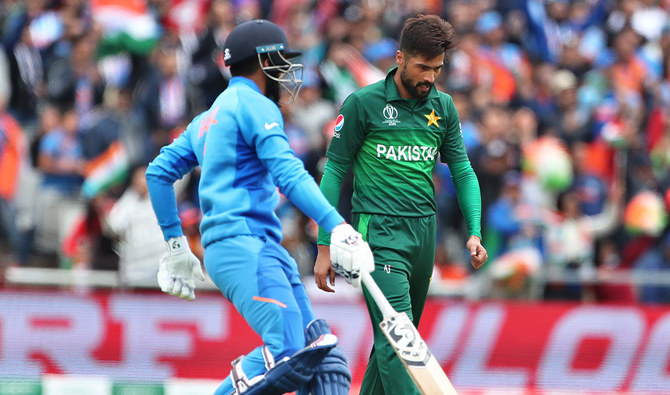
At Old Trafford today, Pakistan and India meet for high-voltage World Cup clash
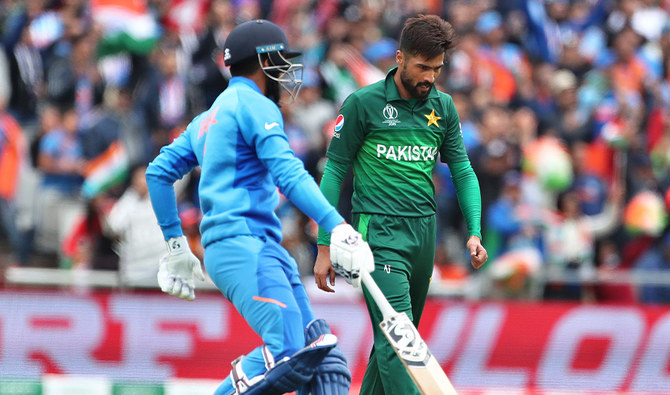
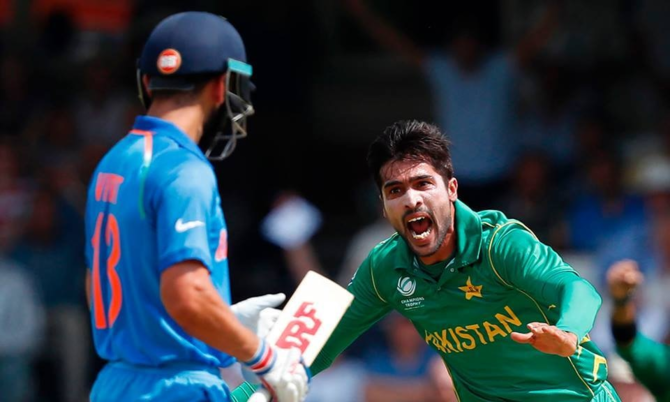
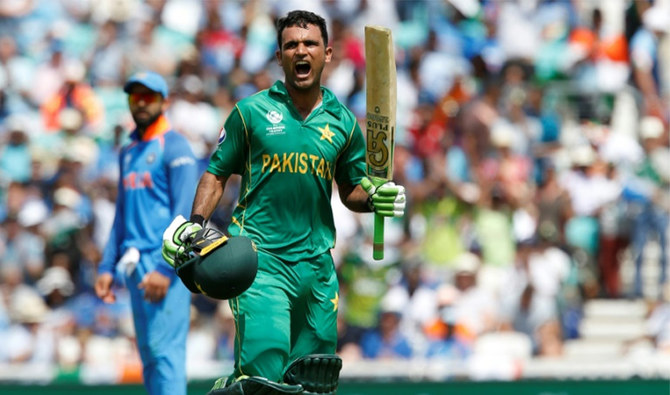
At Old Trafford today, Pakistan and India meet for high-voltage World Cup clash
- Considering Pakistan and India’s political history, it is nearly impossible to avoid the hype, pressure and expectations
- This year, emotions are running extra high on the back of a military showdown between the arch-rivals in February
Latest updates







© 2026 SAUDI RESEARCH & PUBLISHING COMPANY, All Rights Reserved And subject to Terms of Use Agreement.