

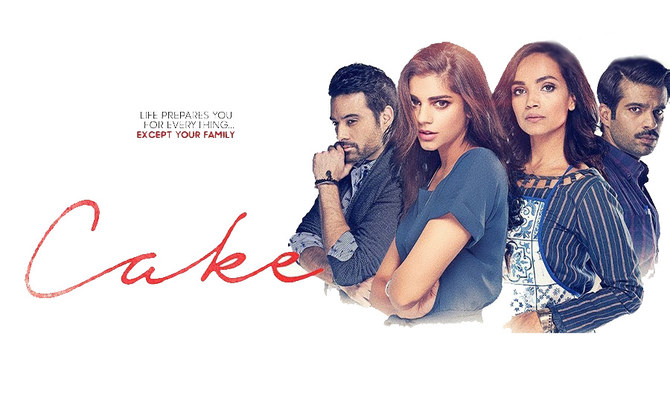

ISLAMABAD: 2018’s dark comedy, the critically acclaimed “Cake” by Asim Abbasi, is officially released and ready to watch on Netflix. The Sanam Saeed, Adnan Malik and Aamina Sheikh starrer was a breath of fresh air in an entertainment world largely dominated by similar tales of weddings, damsels in distress and clueless heroes.
“Cake” was also 2018’s Oscar submission from Pakistan and set a precedent for story telling that broke the cyclic plots and is now one of the most recognizable films from Pakistan’s entertainment industry. Other films and drama serials, guaranteeing splendor and epitomizing Pakistan’s diverse television and big screen offerings, that should join “Cake” on Netflix are:
Kis Ki Aayegi Baraat series (2012)

Photo Courtesy: Social Media
Yes, yes wedding is right there in the title, but Geo TV’s ambitious ‘Baraat’ series, made up of four seasons, was a hilarious take on wedding life, family life and living in Pakistan with memorable characters and the launching of many actors’ careers. It also featured an ensemble cast with most of the actors carrying out their character’s story arcs through each and every season.
Maula Jatt (1979)

Photo Courtesy: Social Media
When you speak of cult-like followings for films, there’s a top contender from Pakistan: ‘Maula Jatt.’ The late 70’s Punjabi film, starring Sultan Rahi in the titular role, was a defining one for Pakistan’s Lollywood and whose popularity has not slowed down. Before the release of ‘The Legend of Maula Jatt,’ Bilal Lashari’s 2019 Fawad Khan starrer, the original should get another day in the sun on Netflix’s platform.
Zinda Lash (1967)
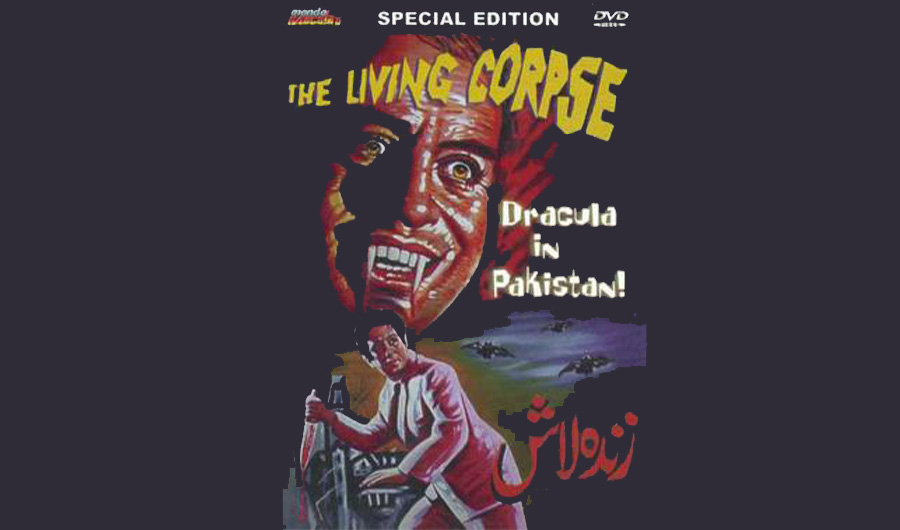
Photo Courtesy: Social Media
Another cult classic, ‘Zinda Lash,’ starring Asad Bukhari, Habib, Deeba, Rehan and Nasreen, was a foray into the horror film genre by Pakistani filmmaker Khwaja Sarfraz. The story of a scientist-turned-vampire was also the first Pakistani film to make its way into a DVD release. ‘Zinda Lash,’ which translates into ‘living corpse,’ was screened at two major film festivals abroad: The Sitges Fantastic Film Festival in Spain and the Neuchatel International Festival of Fantastic Films in Switzerland.
Udaari (2017)
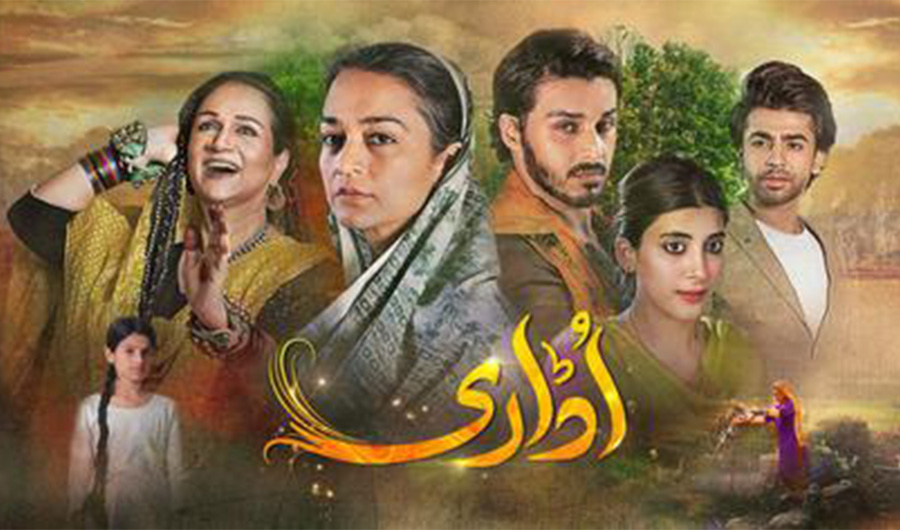
Photo Courtesy: Social Media
The brainchild of Momina Duraid in collaboration with Kashf Foundation, Udaari, which hit small screens in 2017, was a critically acclaimed and widely watched drama serial which boasted an incredible ensemble cast and story arcs that winded together for a satisfying conclusion to a well written and acted show. Covering the criminal justice system, class divides, pedophilia, molestation, and achieving ones dreams.
Cheekh (2019)
Photo Courtesy: Social Media
The Saba Qamar starrer ‘Cheekh’ takes the ‘in-laws are trouble’ favored plot by drama writers and gives it a spin on its head by creating a drama which at its center is about a crime which the other characters are fighting to get justice for or are fighting to bury under the rug.
Actor in Law (2016)

Photo Courtesy: Social Media
Fahad Mustafa, Om Puri and Mehwish Hayat starred in ‘Actor in Law,’ a comedy about social issues. Both a box office winner and a critical darling, the film covers aspirations, harsh realities and has excellent acting by its star cast. Om Puri, a celebrated and veteran actor of neighboring India’s Bollywood, acted in ‘Actor in Law,’ making it his first-ever Pakistani film a few months before he passed away.
Laal Kabootar (2019)
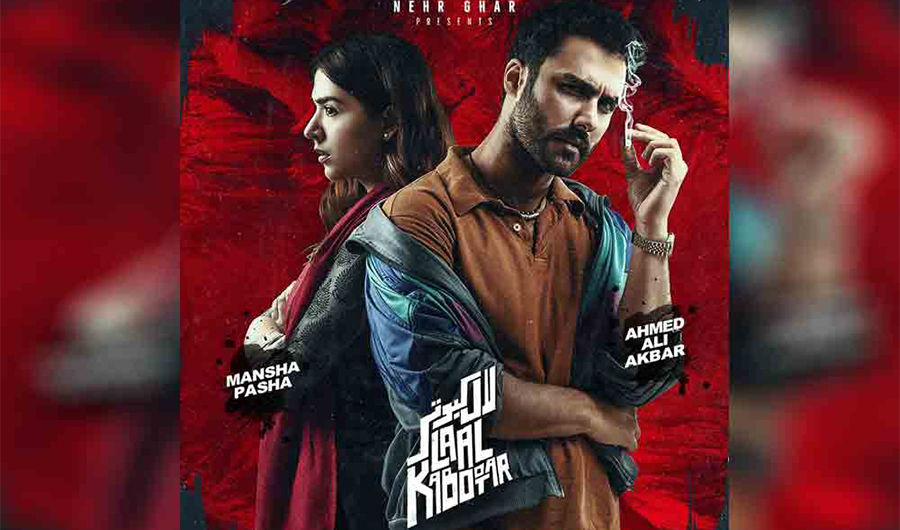
Photo Courtesy: Social Media
Ahmed Ali Akbar and Mansha Pasha starred in this year’s box office record shatterer ‘Laal Kabootar.’ Directed by Kamal Khan and written by Ali Abbas Naqvi, the film tells the story of finding justice in a city, Karachi, where faith cannot be left in the hands of the law. Brilliant acting and an original plot made for the film being a huge success and a natural choice to showcase excellence from Pakistani entertainment on Netflix.
Honorable mentions: 2019’s domestic violence focused drama serial ‘Hania,’ and critical darling ‘Ranjha Ranjha Kardi.’


