Boeing said on Thursday it had completed a software update for its 737 MAX jets, which have been grounded worldwide since March after they were involved in two fatal crashes.
The planemaker said it was in the process of submitting a plan on pilot training to the US Federal Aviation Administration (FAA) and would work with the regulator to schedule its certification test flight.
The FAA is planning a meeting on May 23 in Fort Worth, Texas, with regulators from around the world to update them on reviews of Boeing’s software fix and on pilot training.
Aviation regulators from other countries will have to assess Boeing’s proposed fixes and clear the aircraft to fly in other regions independently of the FAA.
It is unclear when the 737 MAX aircraft will return to service, but US airlines have said they hope the jets will fly this summer.
Southwest Airlines Co. and American Airlines Group Inc, the two largest US operators of the MAX, have pulled the jets from their schedules until Aug. 5 and Aug 19, respectively.
The airlines, which must still decide on pilot training, have said they would use the jets as spare planes if they are approved for flight before those dates.
The FAA said on Thursday that Boeing had not yet submitted its final software package for approval.
On Wednesday, acting FAA Administrator Dan Elwell said he expected Boeing to make its formal submission for its software update in the next week or so.
The 737 MAX was grounded following a fatal Ethiopian Airlines crash that killed all 157 on board just five months after a similar crash of a Lion Air flight killed 189 people.
Boeing hopes the software upgrade and associated pilot training will add layers of protection to prevent erroneous data from triggering a system called MCAS, which was activated in both the planes before they crashed.
The planemaker said it had completed simulator testing and engineering test flights as well as developed training and education materials, which were now being reviewed by the FAA, global regulators and airline customers.
To date, Boeing has flown the 737 MAX with updated software for more than 360 hours on 207 flights, the company said.


![]()

Boeing completes 737 MAX software update, works on pilot training plan
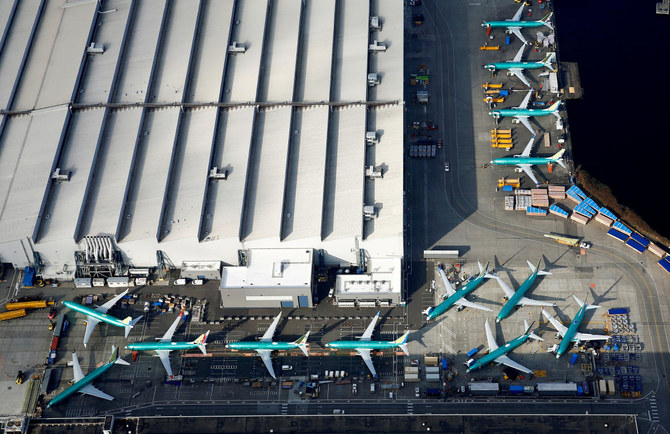
Boeing completes 737 MAX software update, works on pilot training plan
- Aviation regulators from other countries will have to assess Boeing’s proposed fixes and clear the aircraft to fly
- Boeing hopes the software upgrade and associated pilot training will add layers of protection


Latest updates


Recommended


© 2026 SAUDI RESEARCH & PUBLISHING COMPANY, All Rights Reserved And subject to Terms of Use Agreement.