ISLAMABAD: Chairman of the Saudi Shoura Council Dr. Abdullah Bin Mohammed Bin Ibrahim Al-Shaikh arrived in Islamabad, Tuesday, with his delegation on a three-day visit to Pakistan.
Leader of the Opposition in Senate Raja Muhammad Zafar ul Haq along with other lawmakers received the delegation at Nur Khan Airbase, Rawalpindi.
The visit is a continuation of the Parliamentary linkage firmed up by visit of Chairman Senate of Pakistan to the Kingdom of Saudi Arabia last year.
He has been invited by Pakistan’s Chairman Senate Muhammad Sadiq Sanjrani to further the bilateral relationship between the two countries and boost cooperation in the fields of trade and investment, according to a statement issued by the chairman Senate’s office.
“The visit is a continuation of the Parliamentary linkage firmed up by visit of Chairman Senate of Pakistan to the Kingdom of Saudi Arabia last year,” the statement added.
During the visit, the visiting Saudi official will hold meetings with Pakistan’s top civil and military leadership including President Dr. Arif Alvi, Prime Minister Imran Khan, Chairman Sanjrani, speaker of the National Assembly Asad Qaiser and army chief Gen. Qamar Javed Bajwa.
Other than the high profile engagements, the delegation will also be given guided tours to Pakistan Ordnance Factory (POF), Ministry of Planning, Development and Reforms, and Ministry of Ports and Shipping at the Pakistan Institute of Parliamentary Services (PIPS) on where officials will brief the visiting delegation on China Pakistan Economic Corridor (CPEC) and the development work and future prospects of Gwadar respectively.
A Pakistani delegation led by Sanjrani visited Saudi Arabia earlier in December last year upon the invitation from the chairman of Saudi Shoura Council.
Pakistan and Saudi Arabia enjoy strong bilateral ties which the two have recently agreed to deepen through cooperation in diverse fields.


![]()
![]()

Chairman of Saudi Shoura Council arrives in Islamabad
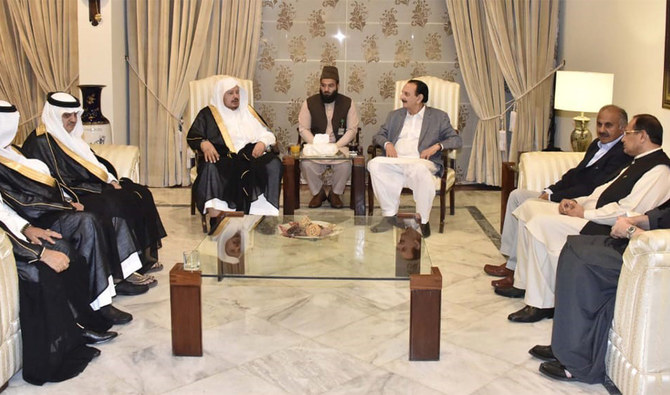
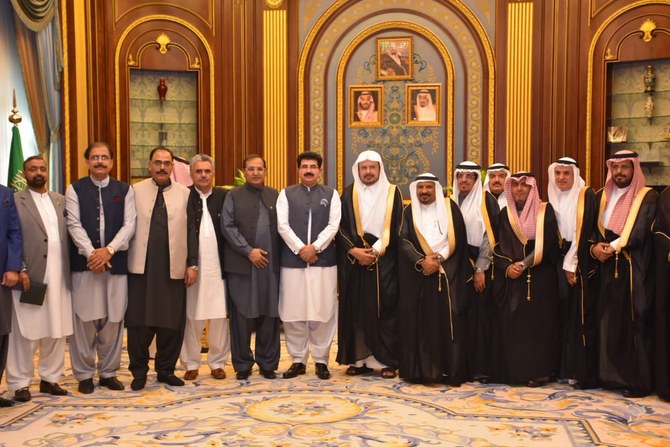
Chairman of Saudi Shoura Council arrives in Islamabad
- The visit is a continuation of parliamentary ties
- Visiting official expected to meet the country's civilian and military leadership
Latest updates


© 2026 SAUDI RESEARCH & PUBLISHING COMPANY, All Rights Reserved And subject to Terms of Use Agreement.