ISLAMABAD: Pakistan will highlight Israeli ‘aggression’ in Palestine at the next summit of the Organization of Islamic Cooperation scheduled to be held in Makkah during the Muslim fasting month of Ramadan, the foreign office said on Thursday.
Israel started building its settlements in the occupied West Bank and East Jerusalem in the wake of the Six Day War in June 1967. During the run-up to elections this year, Prime Minister Benjamin Netanyahu promised to annex all these settlements — built in violation of international law — if he won another term in office, which he has.
“Pakistan remains on the forefront of supporting our Palestinian brethren in all OIC regular meetings,” foreign office spokesman Dr. Mohammad Faisal said at a press briefing. “We have supported resolutions on Palestine issue at the platform of OIC which strongly condemns the Israeli aggression.”
He said as a Coordinator of the OIC Group at Geneva, Islamabad had tabled five resolutions on the Palestinian issue each year: on the human rights situation in the occupied Palestinian territories, including East Jerusalem; Palestine’s right to self-determination; Israeli settlements in Palestine and in the occupied Syrian Golan; human rights in the occupied Syrian Golan; and ensuring accountability and justice for all violations of international law in the occupied territories, including East Jerusalem, in United Nations Human Rights Council (UNHRC) sessions.
Describing Pakistan’s position on the Israel-Palestine conflict, Faisal said only the “establishment of a viable, independent and contiguous State of Palestine, on the basis of internationally agreed parameters, the pre-1967 borders, and with Al-Quds and Al-Sharif as its capital” would guarantee sustainable peace in West Asia.
Last month Pakistan rejected US President Donald Trump’s decision to recognize Israel’s sovereignty over the Golan Heights and said the move was “unfortunate.”
In a dramatic shift from decades of US policy, Trump has signed a proclamation officially granting US recognition of the Golan as Israeli territory.
Israel captured the Golan in the 1967 Middle East war and annexed it in 1981 in a move the UN Security Council has declared as unlawful.
Last month UN war crimes investigators called on Israel to stop its snipers using lethal force against protesters on the border with Gaza, as the March 30 anniversary approached of the start of demonstrations there last year in which 189 Palestinians were killed.


![]()

Pakistan to discuss Israeli aggression against Palestine at next OIC summit
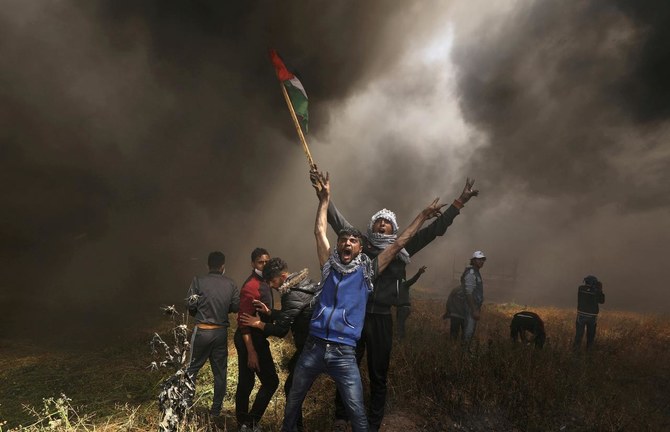
Pakistan to discuss Israeli aggression against Palestine at next OIC summit
- Foreign office says Pakistan has been supporting Palestine at all meetings of the Organization of Islamic Cooperation
- Says only a viable, independent and contiguous state of Palestine can guarantee peace in West Asia
Latest updates


© 2026 SAUDI RESEARCH & PUBLISHING COMPANY, All Rights Reserved And subject to Terms of Use Agreement.