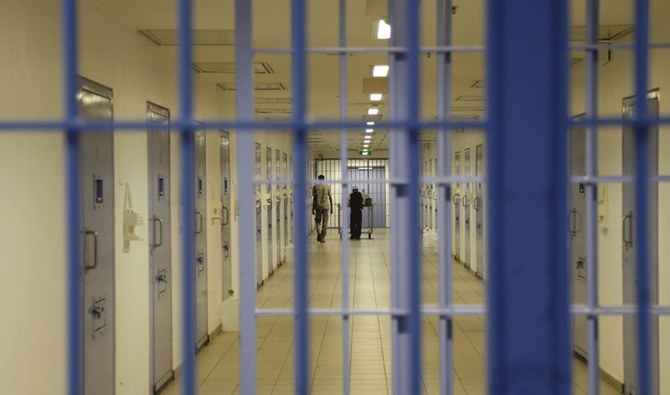
ISLAMABAD: Pakistan’s Ambassador to Saudi Arabia Raja Ali Ejaz has said Pakistan can expect some “good news” regarding the release of Pakistani prisoners from Saudi jails in the month of Ramadan, the Pakistani Consulate General in Jeddah said on Thursday.
Pakistan’s information ministry had announced in February that Saudi Arabia’s Crown Prince Mohammed bin Salman had ordered the release of about 2,100 Pakistani prisoners from the kingdom’s jails during a high-profile visit to Islamabad. The announcement came after a request by Pakistani Prime Minister Imran Khan.
“Saudi Crown Prince’s announcement on release of Pakistani in Saudi jails is under process,” the Consulate General in Jeddahsaid in a statement emailed to Arab News. “In holy month of Ramadan, we expect some good news regarding this announcement.”
The release of thousands of Pakistani workers locked up in jails across the Middle East is at the top of the new government's agenda.
Huge numbers of Pakistanis travel to the Middle East every year, with many working on construction sites or as domestic helpers. The remittances they send back are vital for Pakistan’s dollar-starved economy.
The crown prince’s visit marked a deepening of ties between allies whose relationship has in the past centered on oil-rich Saudi Arabia backing Pakistan’s economy during difficult periods, and in return Pakistan’s powerful army lending support to Saudi Arabia and its royal family and military.
Saudi Arabia has in recent months helped keep Pakistan’s economy afloat by propping up rapidly dwindling foreign reserves with a $6 billion loan, giving it breathing room as it negotiates a bailout with the International Monetary Fund.
Pakistan showed appreciation by treating Crown Prince Mohammed’s trip as the biggest state visit since one by Chinese President Xi Jinping in 2015, soon after Beijing announced plans to invest tens of billions of dollars on infrastructure in Pakistan as part of China’s Belt and Road initiative.
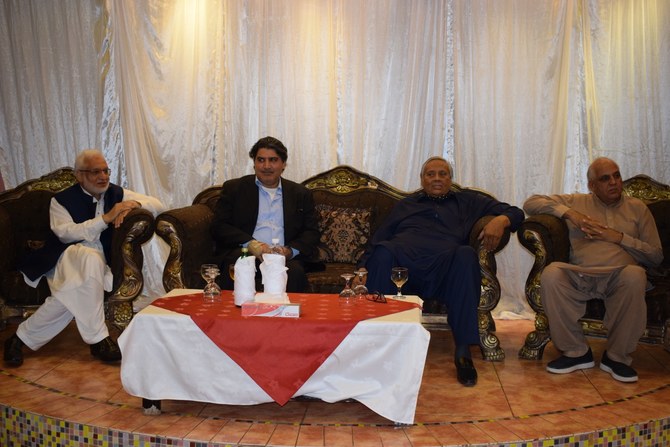
At a welcome dinner in his honour held at a local hotel in Jeddah, Ambassador Ejaz described the crown prince’s Pakistan's visit as a “major success” that had “started a new era of Saudi Arabia and Pakistan relations.”
He said a number of agreements were signed during that visit, including one on the transfer of prisoners.
“Discussion on the Transfer of prisoner agreement is in process and once the agreement is signed, the prisoners will be able to complete the sentences in their respective countries,” the high commission’s statement quoted the ambassador as saying.


![]()
![]()

‘Good news’ soon on Pakistani prisoners’ release — envoy to Saudi Arabia
‘Good news’ soon on Pakistani prisoners’ release — envoy to Saudi Arabia
- Ambassador Raja Ali Ejaz says more prisoners expected to be released in Ramadan
- In February Crown Prince Mohammed ordered the immediate release of 2,107 Pakistani prisoners in Saudi jails
Latest updates


© 2026 SAUDI RESEARCH & PUBLISHING COMPANY, All Rights Reserved And subject to Terms of Use Agreement.