


BEIRUT: Lebanese public sector workers took to the streets of Beirut in protest on Wednesday ahead of a budget expected to impose painful austerity measures.
The 2019 draft budget includes “wide reductions” in spending based on the need for “exceptional austerity measures,” Finance Minister Ali Hassan Khalil said.
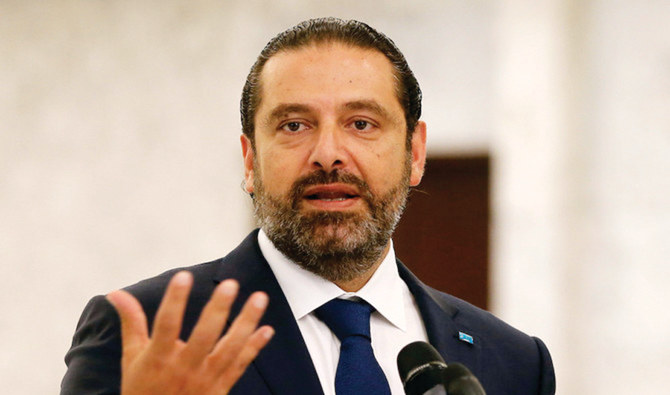
Prime Minister Saad Hariri promised “the most austere budget in the history of Lebanon.”
He said: “It’s my duty to be honest with people. We stand with limited-income people and the retired, but we want to maintain the lira peg and the salary scale for general services and national officers. To do so, tough austerity measures will be needed to the detriment of public expenditure.”
The budget is seen as a critical test of the government’s will to enact reforms that economists say are more pressing than ever for an economy that has suffered years of low growth. State finances are strained by a bloated public sector, high debt servicing costs and hefty subsidies spent on the power sector.
Hariri said: “If we continue like this we will reach a catastrophe.” Unlike other states that had suffered financial crises such as Greece, Lebanon would have no one to save it, he said.
Labor union chief Bechara Al-Asmar, who took part in a protest sit-in in Beirut on Wednesday, told Arab News: “We raise our voice because the government finds that the easiest things to do is to jeopardize the public sector.
“But there are many measures that can be adopted before cutting wages, including a correctional basket that does not affect Lebanese people. The government always prevails over the weak, but the public servants will no more be the weak link.”
Public sector union member Dib Hashem said: “We will not wait for them to cut our wages. We have waited 20 years for our salaries to improve and increase, we will not allow them to cut them again.”


