ATHENS: Greece’s president called on Monday for Britain to free the Parthenon Marbles from the “murky prison” of its national museum, upping the rhetoric in a near 200-year-old campaign for the sculptures’ return.
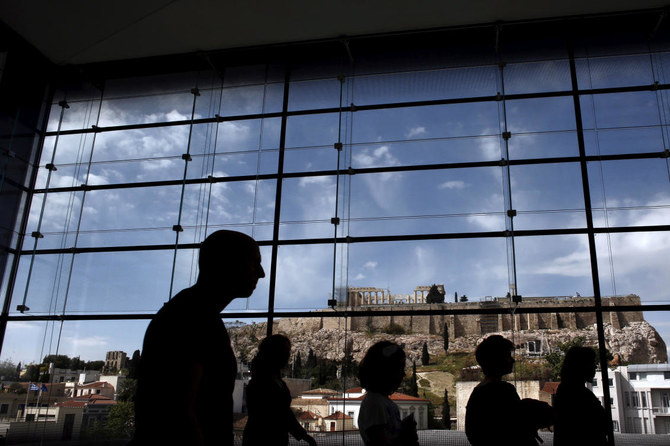
President Prokopis Pavlopoulos spoke at Athens’ own glass-fronted Acropolis Museum, which campaigners hope will one day house the classical reliefs and figures taken by a British diplomat in the early nineteenth century.
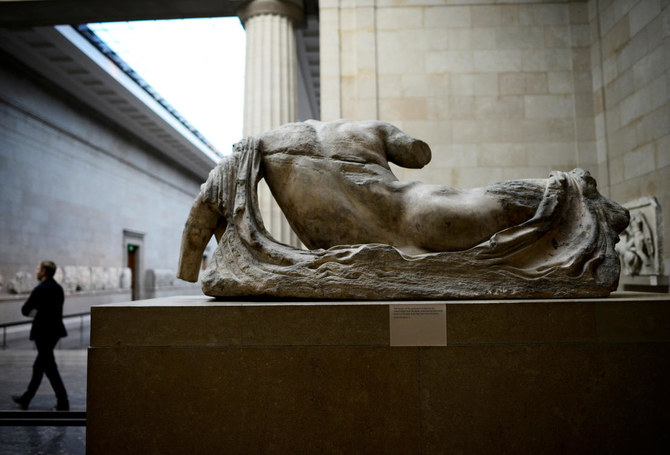
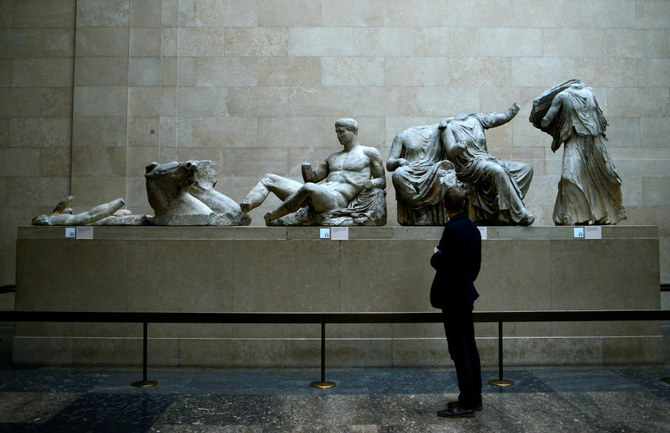
“Let the British Museum come here and make the comparison between this (Acropolis) museum of light and the murky, if I may say, prison of the British Museum where the Parthenon Marbles are held as trophies,” Pavlopoulos said.
There was no immediate response from the British Museum.
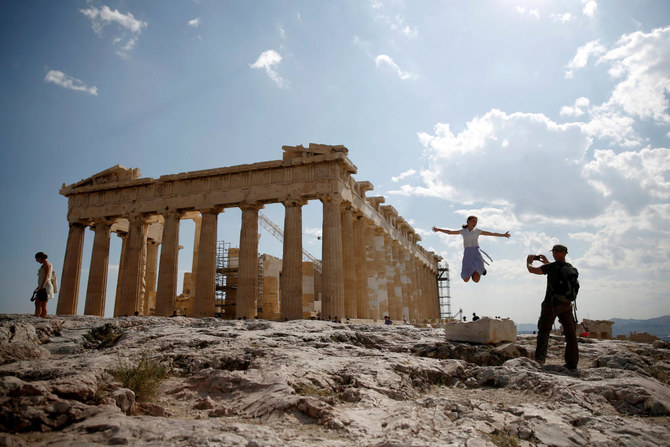
Britain’s Lord Elgin removed the 2,500-year-old sculptures from the Acropolis temple in Athens during a period when Greece was under Ottoman rule.
They have been placed in a gallery inside the British Museum in London, lit by a long skylight.
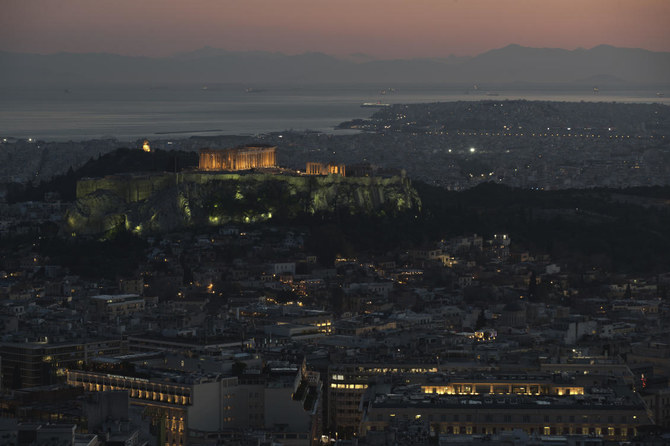
Greece has repeatedly requested their return since its independence in 1832, and stepped up its campaign in 2009 when it opened its new museum at the foot of the Acropolis hill.
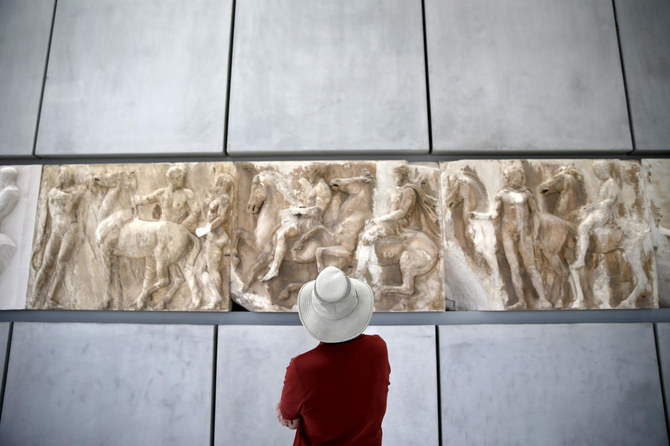
That building holds the sculptures that Elgin left behind alongside plaster casts of the missing pieces, lit by the sun coming through a glass wall looking over the original site.
“This museum can host the Marbles,” Pavlopoulos said. “We are fighting a holy battle for a monument which is unique.”
The British Museum has refused to return the sculptures, saying they were acquired by Elgin under a legal contract with the Ottoman empire.
The museum and other British institutions have also resisted other repatriation campaigns citing legislation preventing them from breaking up collections and arguing that they can preserve items and present them to an international audience.


![]()
![]()
![]()
![]()
![]()
![]()

Greece: Free our marbles from British Museum’s ‘murky prison’
Greece: Free our marbles from British Museum’s ‘murky prison’
- President Prokopis Pavlopoulos: Let the British Museum come here and make the comparison between this (Acropolis) museum of light and the murky, if I may say, prison of the British Museum
- Britain’s Lord Elgin removed the 2,500-year-old sculptures from the Acropolis temple in Athens during a period when Greece was under Ottoman rule


Latest updates


Recommended


© 2026 SAUDI RESEARCH & PUBLISHING COMPANY, All Rights Reserved And subject to Terms of Use Agreement.