JOHANNESBURG: South Africa’s ex-president Jacob Zuma has denied allegations by a local newspaper that he is in possession of $30 million (€26.7 million) belonging to the late Libyan dictator Muammar Qaddafi.
The Sunday Times at the weekend reported that before he was captured and killed in 2011, Qaddafi had given the funds for “safe keeping” to Zuma, when he was president of South Africa.
The paper said Zuma had stashed the money at his home in the southeastern village of Nkandla before moving it to neighboring eSwatini, formerly known as Swaziland.
“Former president Zuma is not aware of any money directed to his Nkandla home from former president Qaddafi, nor has he ever received funds from Qaddafi,” the ex-president’s foundation said in a statement cited Wednesday by South Africa’s The Star newspaper.
Zuma himself tweeted sardonically on Tuesday that he was surprised to hear that he was keeping $30 million when he was in need of cash to pay for legal bills to fight graft charges.
“Sigh! I owe millions in legal fees.... I now hear that I have been keeping money belonging to my late brother Qaddafi. Where’s this money because His Majesty knows nothing about it?” he tweeted, referring to the king of eSwatini.
Zuma, who was ousted last year over multiple graft scandals, could be liable for the equivalent of $2 million in legal bills.
The eSwatini government spokesman Percy Simelane also refuted the existence of Zuma’s money in his country.
“We are not aware of any money secretly stashed anywhere in eSwatini from former South African President Jacob Zuma belonging to former Libyan President Muammar Qaddafi,” Simelane told AFP in Mbabane.
South African Foreign Affairs Minister Lindiwe Sisulu on Sunday said “there is no money that we are aware of.
“I have not found any money that belongs to Libyans. If the Libyans make a request for us to investigate this matter, we will.”
Under Zuma, South Africa had vociferously opposed the NATO-led military intervention to oust the Libyan dictator.
It also said Qaddafi should have been handed to the international war crimes court after his capture.


![]()

South Africa’s Zuma denies he has $30m of Qaddafi’s cash
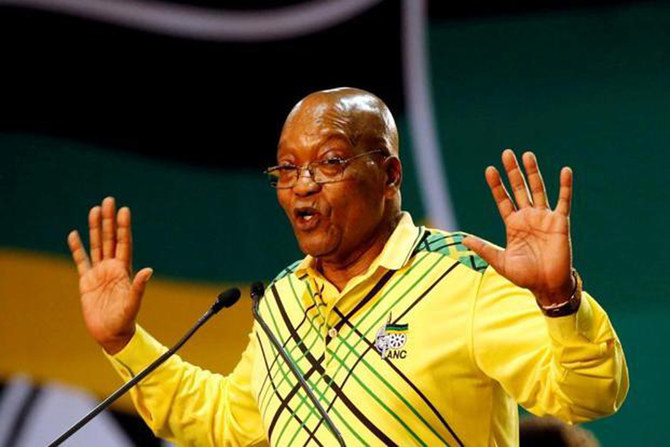
South Africa’s Zuma denies he has $30m of Qaddafi’s cash
- The Sunday Times reported that before he was captured and killed in 2011, Qaddafi had given the funds for safe keeping to Zuma, when he was president of South Africa
- The paper said Zuma had stashed the money at his home in the southeastern village of Nkandla before moving it to neighboring eSwatini, formerly known as Swaziland


Latest updates


Recommended


© 2026 SAUDI RESEARCH & PUBLISHING COMPANY, All Rights Reserved And subject to Terms of Use Agreement.