
ISLAMABAD: Do you remember where you were when you first heard the initial plucking of strings which would introduce the world to ‘Aadat’ -- one of the most recognizable Pakistani love ballads of all time? It was 2003 and crooner Atif Aslam, then front man of Jal, lit our hearts, ears, souls and car drives (where we belted out lyrics like no one was listening) on fire.
‘Aadat’ in itself became an aadat (habit) with non stop replays and the launching of Atif Aslam into an international (we talking brown people worldwide) superstar and eventually lead to his success over the border in Bollywood.
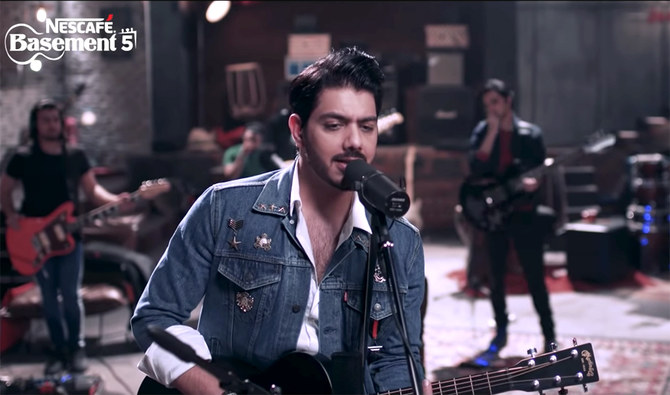
Nescafé Basement, in it’s fifth season, has given ‘Aadat’ a reintroduction into our lives, produced by Zulfiqar Khan aka Xulfi and performed by an ensemble piece band, the full instrumental take on the angst ridden classic was fronted by former Jal member Goher Mumtaz. The instrumental, which brilliantly managed to mesh sitars, drums and flutes (oh my!) was followed up with Mumtaz singing a ‘Bhanwaray.’
Since being uploaded on Monday to Nescafé Basement’s official YouTube page, the video has racked up over 100,000 views, with comments and social media overwhelmingly loving the song.
With both Nescafé Basement and Coke Studio often taking the risky route with varied success (Atif Aslam’s ‘Taj Dare Haram,' a clear winner, Ahad Raza Mir and Momina Mustehsen’s ‘Ko Ko Korina,’ decidely not) the choice to go instrumental was applauded in the comments of the video.
‘Cover’s ruin the original song feel,’ joked one user, ‘[Xulfi] hold my Nescafe.’
A user from India wrote about the nostalgia, ‘My heart was just waiting for Atif’s voice to go like, ‘Judaa hote ke bhi.’
Another user spoke about not even being a fan of Nescafé Basement but not being able to deny their appreciation for the track, ‘What a brilliant brilliant execution’ they wrote. ‘It feels as if we all have grown up with the song…this is a case study on how to make a lovely instrument ensemble work.’
Twitter was equally appreciative.
Man this instrumental conveyed the longing of Aadat even more beautifully if that were possible....
— Atiya Abbas (@bloggoodlife_) March 19, 2019
Writer Atiya Abbas wrote about the song’s original passion (it’s #angst) being respected in the instrumental, ‘This instrumental conveyed the longing even more beautifully if that were even possible.’
Dear @zulfiqarjkhan
Love what you've done with the song of my teens, the song that made so many of us pick up guitars. This rendition of Aadat with the diversity of all instruments was ❤ God Bless you for giving us #NESCAFEBasement5 Love you n the band!https://t.co/YbIFfNtPN8— Faraz Ahmed (@CrazeeGentleman) March 19, 2019
Faraz Ahmed Tweeted to produce Xulfi, ‘Love what you’ve done with the song of my teens, the song that made many of us pick up guitars.’
That aadat instrumental by #NescafeBasement is absolutely phenomenal. Missed Atif Aslam's voice but the nostalgia still hit hard.
— N (@__Dragunov) March 18, 2019
‘Missing Atif Aslam’s voice but the nostalgia still hit hard,’ wrote Twitter using going by ’N’ who called the piece phenomenal.
I am so impressed by @zulfiqarjkhan bhai’s Musical Quotient. He chose #Aadat to be an instrumental ‘cos this song has such a monumental value in Paki music scene that no one could have justified singing it. Memories revived! @nescafebasement #NESCAFEBasement5 #xulfithemaestro
— The Ali Azam (@iAliAzam) March 18, 2019
Another Twitter user wrote about the ‘monumental value’ the song held in Pakistani music.
Of course it was not all praise but finding negative reviews were few and hard to come by.
Idk why I didn’t like this new instrumental version of #Aadat by Nescafe Basement.
This song is so beautiful and nostalgic, I don’t think that there was any need of its rendition.— Shelby. (@blue_jay3) March 18, 2019
‘This song is so beautiful and nostalgic, I don’t think there was any need of it’s rendition,’ wrote one user.
Nescafé Basement has released two songs into it’s fifth session: the first, ‘Resistance,’ winning producer Xulfi high praise, even from fellow artist Meesha Shafi.
https://t.co/FAAxsukkVE
WOW!!! Salute to everyone on board and @zulfiqarjkhan you genius! Everyone please do yourself a favor and click play!— MEESHA SHAFI (@itsmeeshashafi) March 16, 2019
‘You genius!,’ wrote Shafi attaching a link to the first release by Nescafé Basement ‘Resistance.’