PESHAWAR: Pakistan is poised to sign a $2 billion deal with China to set up donkey farms in Pakistan’s northwestern Khyber Pakhtunkhwa (KP) province and export the animals to the neighboring country, a representative at the provincial livestock department said on Monday.
China is Pakistan’s closest ally and the two countries are partners in a $60 billion China-Pakistan Economic Corridor of energy and infrastructure projects, which Beijing touts as the flagship infrastructure program in its vast Belt and Road Initiative.
Sher Muhammad, the director general of the provincial livestock department, said a deal would be signed with a government-owned company from Kashgar after the Chinese New Year (February 5, 2019) whereby China would set up donkey farms in Pakistan and export donkeys.
This idea of investing in donkeys was floated by the previous chief minister of the province, Pervaiz Khattak, during the Beijing Road Show in April 2017.
Under the deal, donkey farms will be established in Mansehra, Dera Ismail Khan and the provincial capital of Peshawar.
“Donkeys die on the sea path and luckily, the Chinese border touches the northern [Khyber Pakhtunkhwa] province and is good for road export,” Muhammad said.
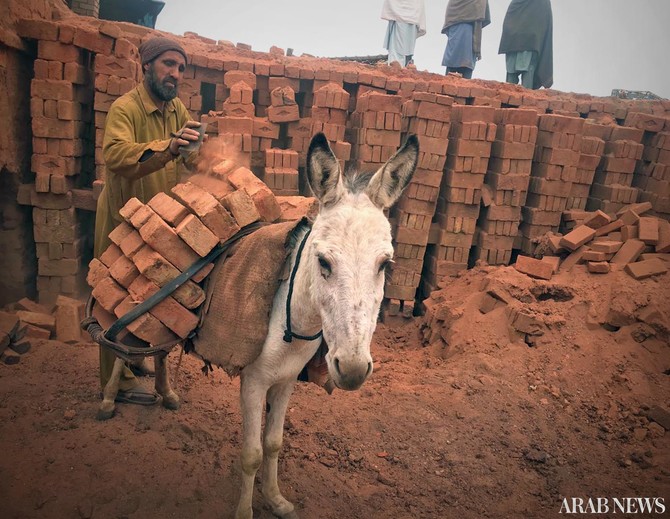
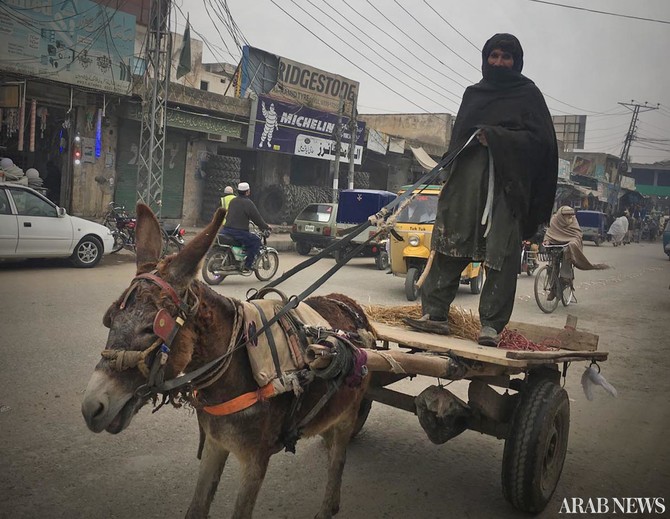
Muhamad said the livestock department and Brooke Hospital for Animals, a non–profit, had conducted surveys to determine that the livelihood of at least 70,000 families was attached to the province’s 0.5 million donkeys used in farming, brick kilns, construction and transportation.
Only in Beijing city alone, 500 restaurants serve donkey meat, the director said. The Chinese are interested in donkeys not just for food consumption but also to use its meat, bones, skin and other parts in cosmetics, medicines and other decoration pieces and its milk in shampoos and beauty soaps.
Muhammad said the government would export only 80,000 tagged animals annually under strict supervision to control smuggling and would start a “parallel process of artificial insemination” so that local donkey populations on which Pakistanis are dependent did not dwindle.


![]()
![]()
![]()
![]()
![]()
![]()
![]()
![]()
![]()
![]()
![]()
![]()

Pakistan aims to cash in on ‘donkey business’ with China






Pakistan aims to cash in on ‘donkey business’ with China
- Chinese firm will invest $2 billion in donkey farms and export
- Deal to be signed after Chinese New Year
Latest updates


Recommended


© 2026 SAUDI RESEARCH & PUBLISHING COMPANY, All Rights Reserved And subject to Terms of Use Agreement.