


DUBAI: We’re fans of visiting restaurants before they reach Instagram-level hype, and so during an outing to Dubai’s newest neighborhood, we had to pass by The London Project. This establishment — which opened late last month, and is located on Bluewaters Island off Jumeirah Beach Residence — is the latest addition to the emirate’s ever-changing culinary scene.
It won’t be the first eatery you’ll come across when you arrive from the mainland; it’s tucked toward the far end of the marina, near the giant, yet-to-open Ain Dubai.
Offering glorious views of the Ferris wheel attraction and the Beach JBR, the venue has launched at the right time: perfect weather makes for perfect outings.
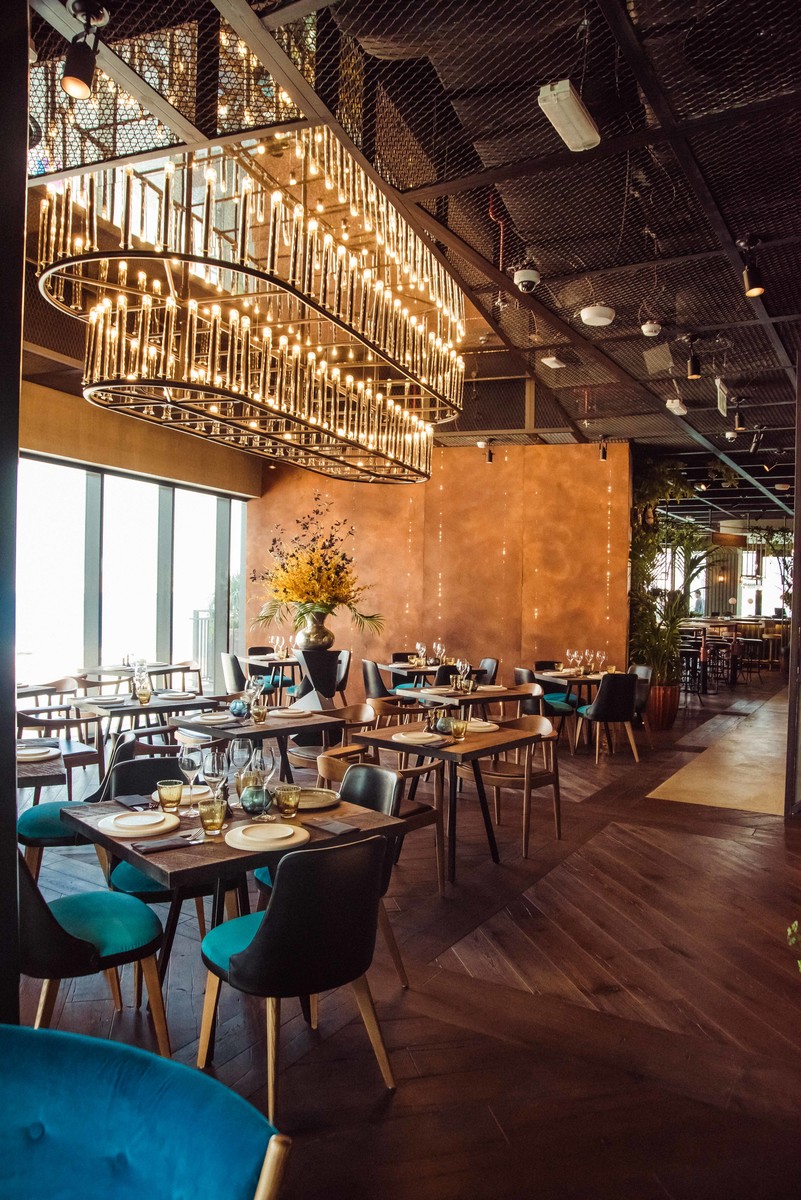
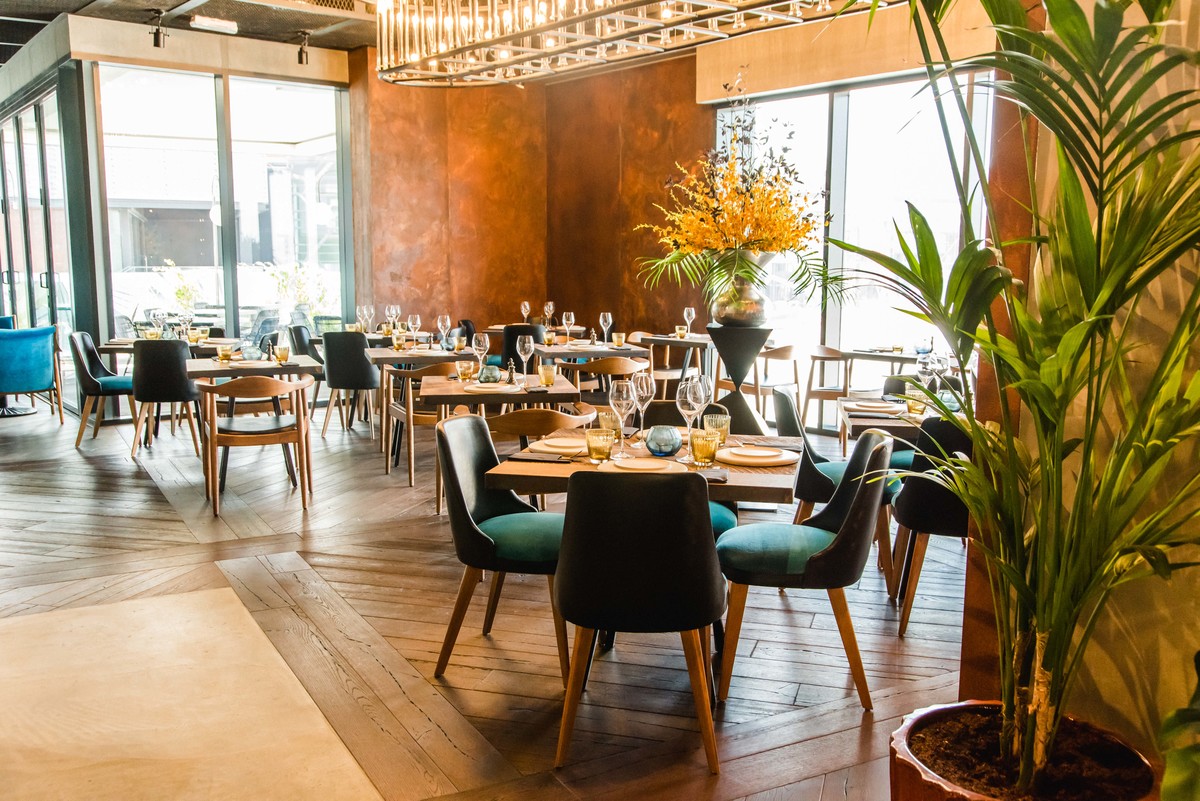
Upon entering, there’s an instant ‘Secret Garden’ feel to the place, with bespoke plants adorning every corner right up to the top level. Try and get a table on the terrace — the views are unbeatable.
The star of the show, naturally, is the food. Designed by chefs Christopher Walker and Robert Fairs, the menu features “flavors from the boroughs of London where dishes are designed to be shared.” The food is certainly eclectic, ranging from chocolate-fed wagyu steaks to salmon flatbreads. It is a tad disappointing that each dish doesn’t come with a story of the borough it’s inspired by though — that would have been a nice touch on the menu.
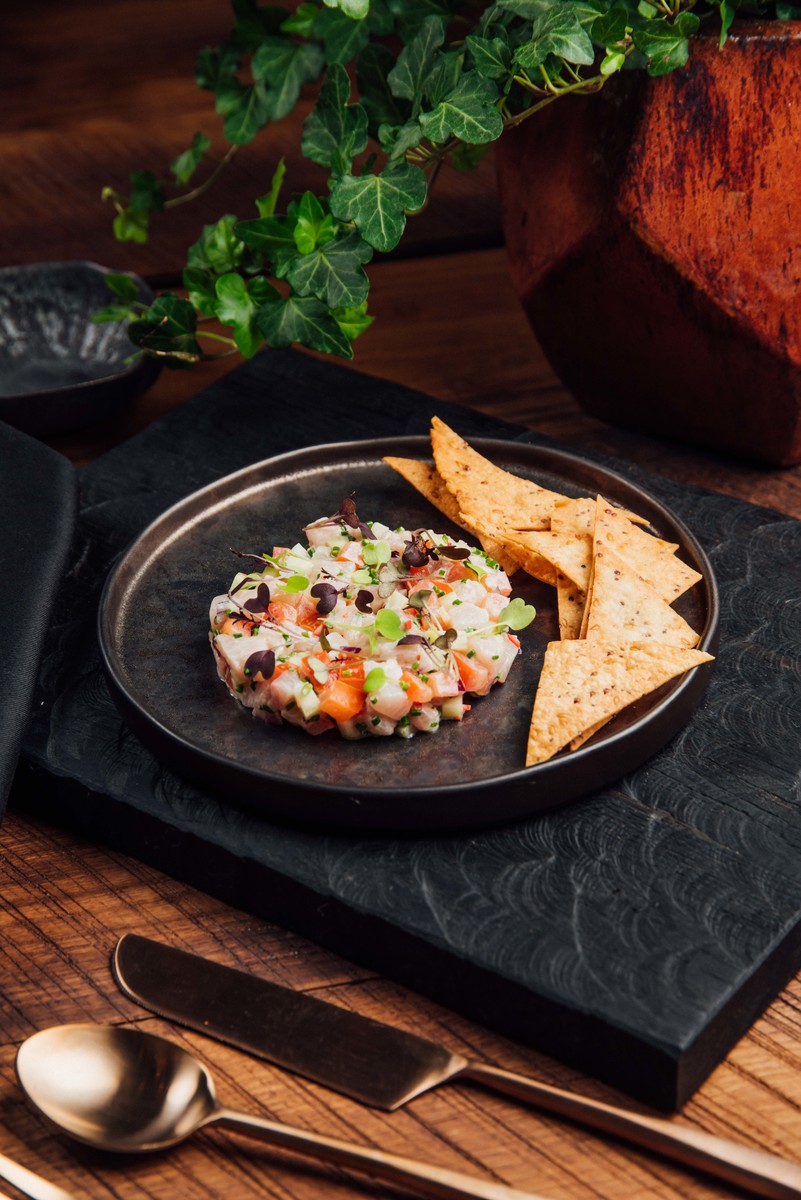
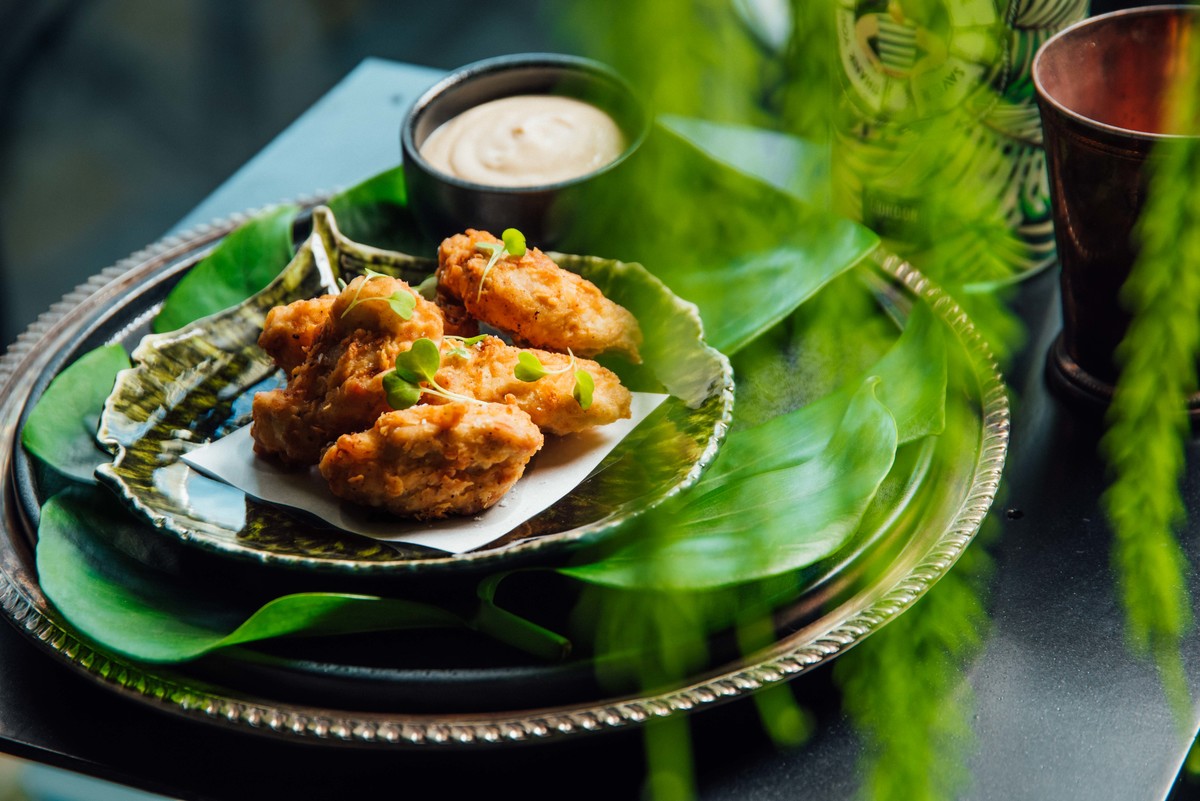
We opt for small plates to share, and they’re impressive. The buttermilk chicken is perfectly juicy with just the right amount of crunch, while the braised beef in the pulled beef soft shell tacos is melt-in-the mouth. The heirloom tomato burrata is another delight: fresh and topped with a smoked raspberry sorbet that surprisingly works; while the Ika Mata ceviche marinated in coconut cream is a sight to behold.
For dessert, the restaurant’s signature is a vanilla yoghurt parfait served with fresh strawberries, and strawberry parfait.
The food, then, certainly passes the test. Another plus point? The friendly service. We were met by smiling hosts and that welcoming, laidback attitude remained throughout service. The décor and dishes are upscale, but without the air of pretension often associated with venues like these. It’s so refreshing to see.
As you’d expect with any new establishment, however, there were teething problems. While the ‘adult’ beverage menu was extensive, little information was offered regarding soft drinks, and a staff member had to take a minute to check which sodas were available. It’s important for any restaurant, not just in this region but everywhere, to understand its clientele, and be knowledgeable about ‘zero-percent’ options. After all, non-alcoholic drinks are in demand more than ever in real London, too.
We visited midweek, avoiding the more-manic weekend. However, we were distracted a couple of times during our meal by staff members discussing the evening’s service in a group huddled together right behind our table. We know that it’s important to cross-check things with colleague — it just might be more professional to do so in a quieter area away from diners.
Nevertheless, it’s evident that a great deal of detail has gone into The London Project, and if it maintains its food quality and friendly, laidback style of service, then it will fast cement itself as one of Dubai’s restaurants to watch in 2019.
And the eatery recently announced that it is now brewing its own brand of coffee, Queenie’s Estate.
“The Queens first ever official, unofficial roastery in Dubai,” the restaurant’s Instagram page stated this week. “Obviously named Queenies, and obviously roasting coffee that is strong, sophisticated, and has a touch of sass — just like Ma’am herself!”
That gives us one more reason to pay another visit.


