



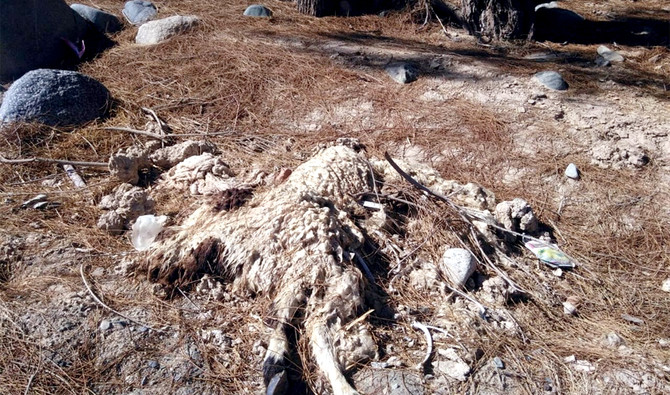
KARACHI: Qadar Dad's two apple orchards used to produce more than enough to provide his extended family of around seventy people a good life in his small village in Pakistan's southwestern Baluchistan. There was always enough to buy nice clothes for the women and the children attended private schools several miles away in the nearest city of Khaliqabad.
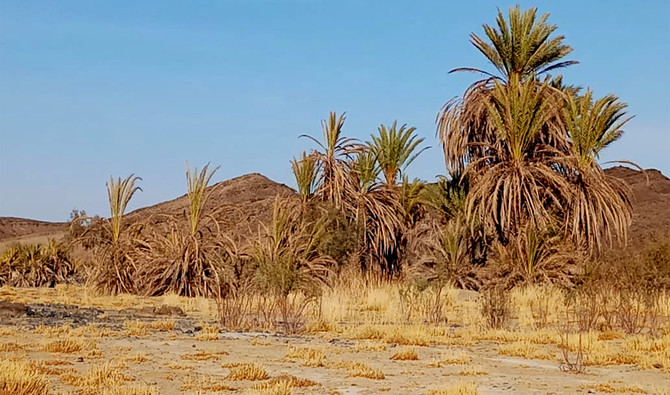
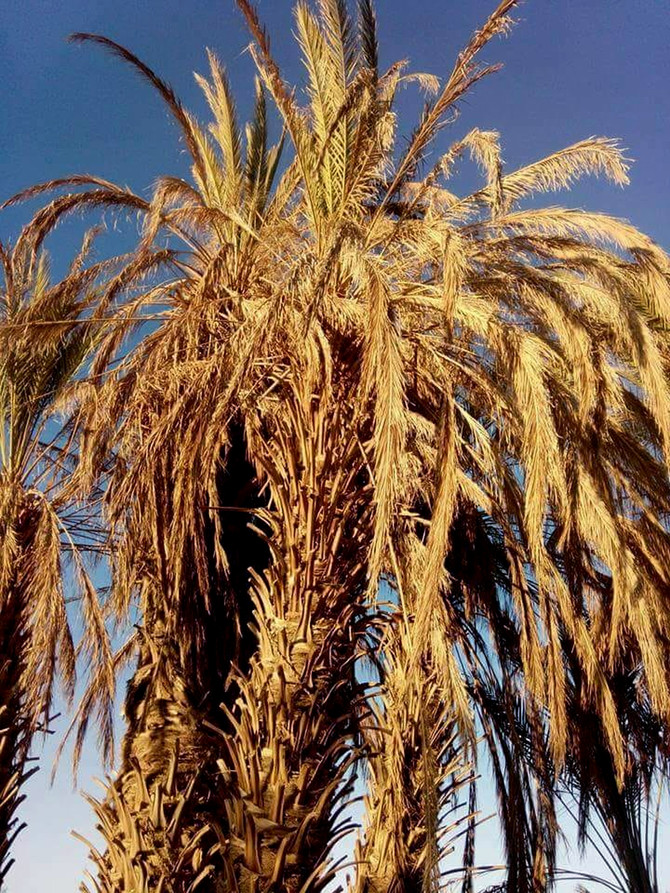
Then in June, the wells used to water the orchards dried up.
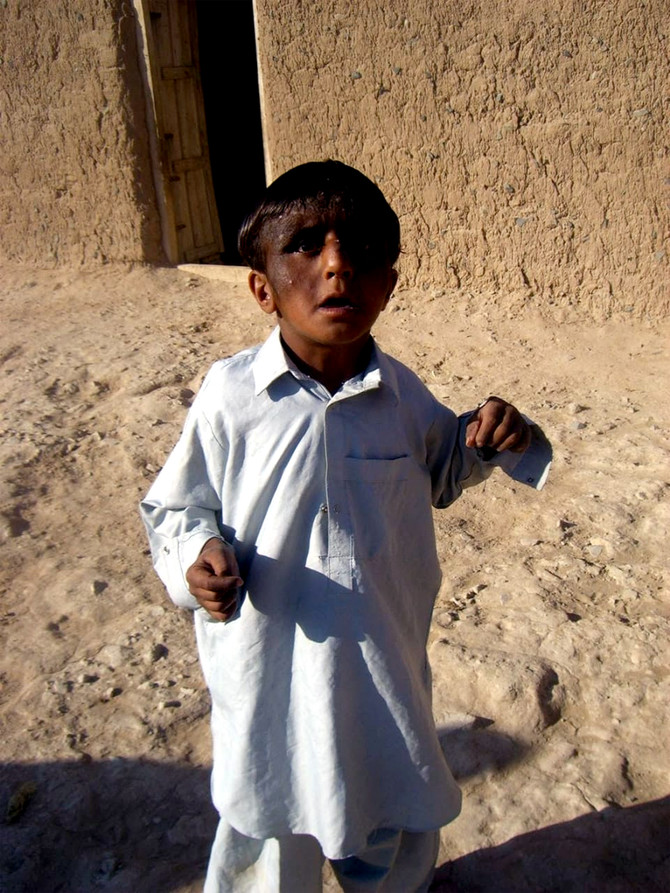
"In the next two to three months our trees dried up, over livestock started dying and today we are impoverished and our children are out of school,” Dad told Arab News at his village home. "Our agriculture is destroyed and so is our livestock. The drought has robbed our livelihood from us."
This is not the only heartbreaking story from Baluchistan, the jugular vein in the $60 billion China-Pakistan Economic Corridor of energy and infrastructure projects, which is a part of China’s huge Belt and Road initiative.
Baluchistan is Pakistan's largest province, stretching from the Arabian Sea coast through a vast desert and mountainous landscape to Iran in the west and Afghanistan in the north. Its gas, gold and copper reserves are among the largest in Asia and generate about a billion dollars every year for the federal government. But the province's people hardly get their share of state investment and opportunities.
Waqar Reki, a farmer from the highly affected Chaghi district of Baluchistan, said people had started migrating to the cities to search for alternative livelihoods after their farms dried up.
“You can find very respectable people living in tents and doing menial jobs for meagre wages in Dalbadin city," he said, referring to a nearby town. "Some people are begging in the city streets for a one-time meal."
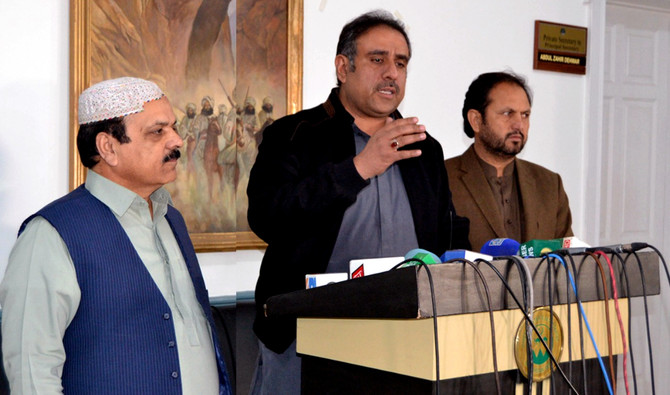
On Wednesday, Chief Minister Baluchistan Jam Kamal Khan called a one-point agenda meeting to find ways to deal with the drought in Baluchistan, Home Minister Mir Saleem Khosa, who also heads the Provincial Disaster Management Authority, told Arab News.
He said Rs500 million would be initially spent on relief and rehabilitation and free medical camps and veterinary dispensaries would be established for people and livestock.
The drought has affected 109,330 families and 1,756,578 animals in twenty districts of the province and the government was already providing meals to people in affected areas, Khosa said.
“We will soon come out with a short-term and long-term solution to the issue,” he added. “Emergency cells will be set up at the district and provincial levels to gather data and provide immediate relief to the affected people."
"Balochistan is facing a dearth of rains, which is leading it to a waterless province,” he said. "The current government realizes the gravity of the issue and the chief minister is himself looking into this matter."
Senator Usman Kakar, who chairs the Senate’s committee for less-developed areas, lashed out at the government for its lack of planning, saying that apart from destroying the agricultural sector and livestock, thousands of people, especially women and children, had been diagnosed with Crimean Congo Hemorrhagic Fever, malnutrition, tuberculosis, and hepatitis as a result of the drought.
In the long term, Kakar said, the province needed to store its waters: “Hundreds of small dams and reservoirs should be built to store 12 billion acre-feet water from being spoiled during rains."
Otherwise, said Aziz Sarpara, a farmer from Mastung Balochistan, "the people of this province will find no drinking water in the near future.”


