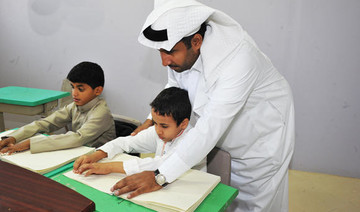
MAKKAH: Sign language, Braille Qur’ans and electric wheelchairs are some of the new features in Makkah and Madinah to help pilgrims with disabilities to execute the religious rites of Hajj and Umrah.
An official at the General Presidency for the Affairs of the Two Holy Mosques described those with disabilities as “highly motivated people with special powers” and that services had been established to aid them, providing them with ease and comfort and avoiding complications even during peak times.
Ahmed Al-Burqati, who is tasked with helping people at the presidency, told Arab News there were designated entrances to ease access to prayer areas, including the ones on the ground and first floors of the King Fahd expansion at the Grand Mosque in Makkah.
Other provisions include a pen that serves as a Qur’an reader, and help for holding and carrying Qur’ans for people unable to hold them. Copies of the Qur’an in Braille along with other religious booklets are available, as are on-site specialists to help pilgrims during prayer times and guide them through the mosque sites, he added.
Ahmed Badawi, an Egyptian pilgrim performing Umrah, said he was not expecting to find such services awaiting him in the Grand Mosque compound.
Other special services at the holy mosques include: Wheelchairs transported in golf carts to prayer areas; designated entrances; sign language interpreters for those with hearing or speech impairments; canes for the blind and visually impaired; and electric wheelchairs to perform key religious rites such as tawaf.

Sign language and Braille Qur’ans to help pilgrims at Two Holy Mosques
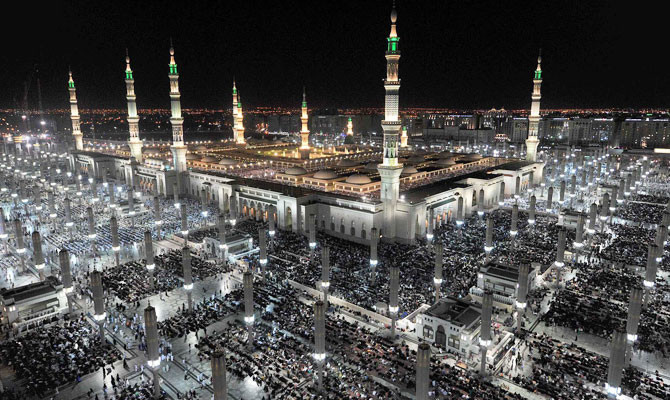
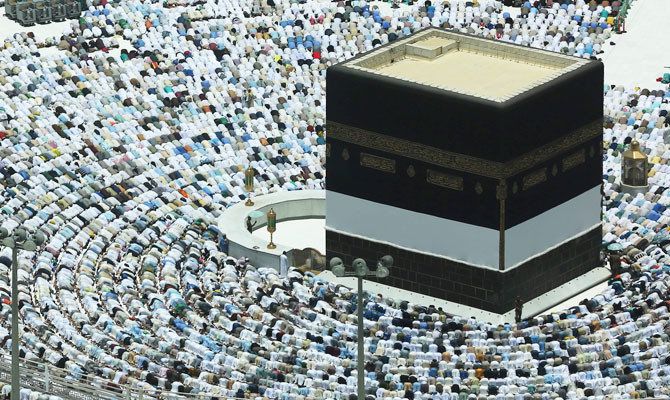
- Copies of the Qur’an in Braille along with other religious booklets are available, as are on-site specialists to help pilgrims during prayer times and guide them through the mosque sites
Rooted in memory: How Rola Daftardar turns Saudi heritage into living art
- Ma Maison by Rola curates, produces home accessories
- Aim to reflect Kingdom as ‘authentic, layered and artistic’
RIYADH: For Rola Daftardar, creativity is not simply about design — it is about memory, emotion and belonging.
Saudi by birth, originally from Madinah and raised in Jeddah, Daftardar carries a layered identity shaped further by her Lebanese mother. That blend of cultures, she says, taught her early on to see beauty in contrast and turn it into strength.
“My identity has always been a mix,” she said during a recent interview. “It taught me how to appreciate detail, emotion and storytelling through objects.”
From childhood, she was drawn to art and pieces with soul — objects that feel lived with rather than merely displayed. She went on to study arts, history and media, developing a philosophy that creativity is not only aesthetic but deeply emotional.
“Design is a way of sharing parts of myself,” she explained. “It’s storytelling through material, color and scent.”
Four years ago, that philosophy became Ma Maison by Rola — a brand that began as a personal creative outlet and gradually grew, season by season, into a carefully curated world of home accessories and tablescaping pieces.
Each year, she approaches her collections as chapters. “Every season has its own breath,” she said. “Every year carries a new intention.”
Her work comes most alive during Ramadan and national occasions, when gatherings take center stage and homes become spaces of shared ritual. Between winter and summer, ideas quietly bloom. But this year’s message feels especially personal.
Daftardar’s latest collection is deeply rooted in Saudi heritage, inspired by cities including Jeddah, Riyadh, AlUla and Taif — places she sees as emotional landscapes as much as geographic ones.
“With Saudi Arabia opening to the world, I felt a responsibility to present my country as I see it — authentic, layered and artistic,” she said.
Candles became the starting point of that story. More than fragrance, they are tributes to memory. Musk reflects the warmth of Jeddah, rose captures the calm elegance of Taif, and oud represents the depth and strength of Riyadh.
Hand-painted details and carefully chosen colors complete the sensory narrative.
The idea for her foldable side tables emerged during a walk along Jeddah’s corniche. Watching families gather spontaneously by the sea reminded her of the informal spaces that connect people — a feeling she also associates with historic Al-Balad.
“I wanted to create something simple and functional that carries that spirit of gathering,” she said.
The concept expanded to Diriyah — old and new — and to AlUla, where history and futurism coexist.
Yet it is tablescaping that remains closest to her heart. “I never choose pieces randomly,” she said. “I imagine the people around the table, the dishes being served, the conversations happening.”
For Daftardar, every bowl, riser and glass element forms part of a complete narrative. Every table tells a story.
Her ultimate aim is clear: to reflect Saudi Arabia as she feels it — warm, generous and deeply rooted. A place where modernity meets origin, and tradition evolves without losing its soul.
That is where Ma Maison by Rola lives — in the space between memory and modernity — and it is a story she is proud to tell.