DUBAI: Whether you’re a tried-and-tested chef or a novice cook, try something new in the kitchen with these newly released, Middle Eastern-flavored cookbooks.
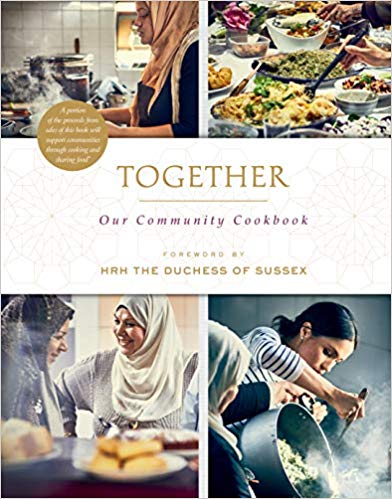
‘Together: Our Community Cookbook’
In September, Meghan Markle, Britain’s Duchess of Sussex, lent her backing to this charity cookbook that funds a community project set up by women seeking somewhere to cook in the wake of London’s Grenfell Tower fire.
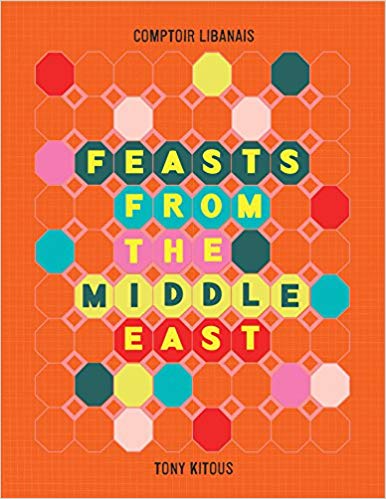
‘Feasts from the Middle East’
The cookbook was created by Tony Kitous, the founder of successful UK-based Lebanese restaurant chain Comptoir Libanais, and features more than 100 recipes.
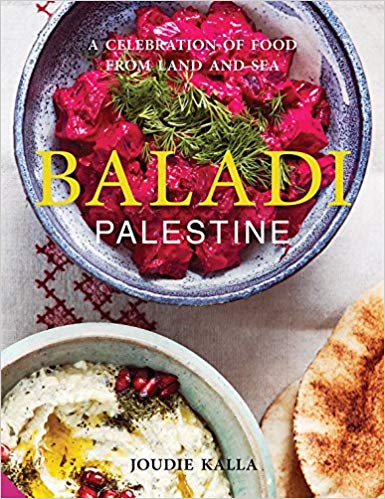
‘Baladi’
Joudie Kalla, the author behind “Palestine on a Plate,” is back with more tantalizing Palestinian recipes in the newly released cookbook.
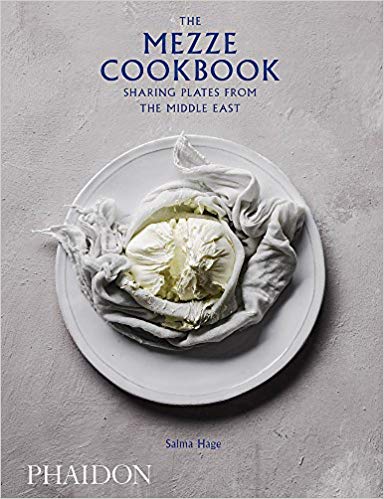
‘The Mezze Cookbook’
From roasted cauliflower and tahini to pomegranate cakes, this book offers more than 135 recipes from across the Middle East.
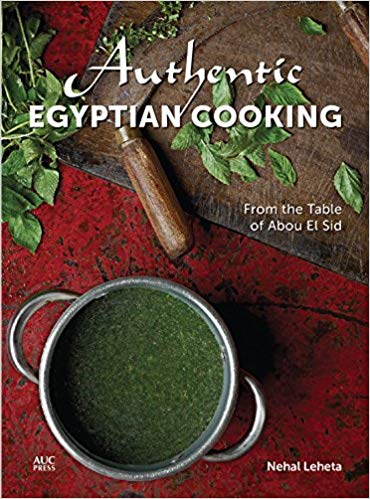
‘Authentic Egyptian Cooking’
Abou El-Sid, one of Cairo’s most famous restaurants, presents more than 50 of its classic recipes in this treasure trove of a cookbook.
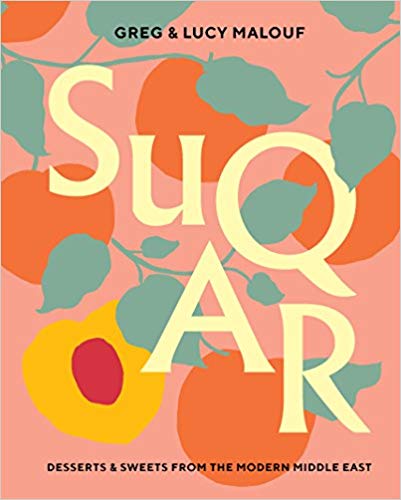
‘Suqar’
Ending on a sweet note, this recipe book, the title of which means sugar in Arabic, offers more than 100 desserts inspired by Middle Eastern classics, including puddings, pastries and everything in-between.

The Six: Get cooking with these Middle Eastern-flavored cookbooks
Chef serves up a taste of Spain at Ithra Cultural Days in Saudi Arabia
DHAHRAN: Among the attractions of the Ithra Cultural Days: Spain at the King Abdulaziz Center for World Culture (Ithra), visitors can try a tantalizing selection of Spanish foods — none more renowned than its famous paella.
Arab News spoke with chef Jose Zafra at the event, which runs until Jan. 31, who flew in from Spain to offer a taste of his homeland to the people of Saudi Arabia.
A “master rice cook, paella researcher and promoter,” according to his business card, his logo is even designed around the recognizable cooking pan and the phrase “Pasion por la paella,” or “Passion for paella.”
“That's why the pan is round because people get around and eat all together — to share culture and passion and life,” Zafra told Arab News as foodies lined up behind him, eager to try a plateful.
“It’s not just a food. It’s a link, a connection. Paella is the symbol of unity and sharing. And people now are going to try it — authentic Spanish paella in Saudi Arabia.”
The word “paella” comes from the Latin “patella,” meaning pan.
In Spanish, it refers both to the rice dish itself and the pan in which it is cooked.
Paella was introduced to Spain during Moorish rule. It originated in Valencia, on the country’s eastern coast, as a rural peasant dish that was cooked by farm workers over open fires using local ingredients. Over time, the dish’s popularity spread and other versions evolved, for example featuring seafood and meat.
It is different to Saudi Arabia’s kabsa, a communal dish which similarly uses rice and meat. Kabsa is cooked in a deep pot to ensure the rice stays soft and aromatic from the meaty broth, whereas paella uses a wide, shallow pan to fully absorb flavors evenly, often creating a prized crispy layer at the bottom.
Visitors to Ithra’s Culture Days can enjoy the flavors of Spain made with a sprinkling of local love — true to the origins of the dish.
Find the scoops of Spanish joy near the food truck area and try chicken paella, seafood paella —or both! You will see the signs offering a plate, at SR35 ($9) for chicken and SR40 for seafood, or let your nose lead you there.
Zafra concluded: “The chicken is from here, the seafood is from here — and the passion, well, that is from Spain.”