

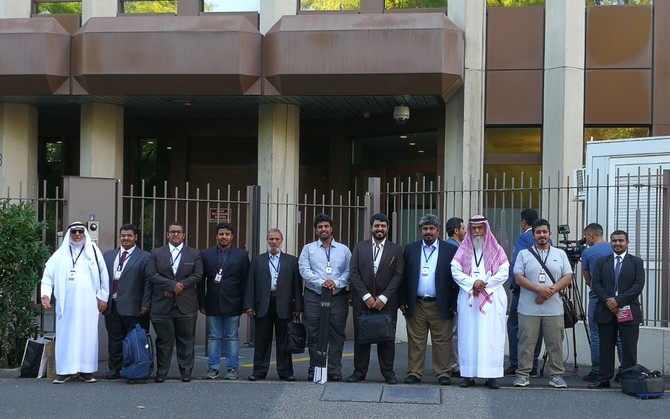
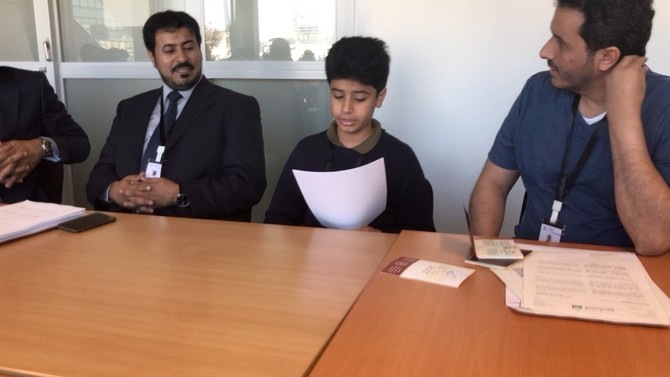
GENEVA: A prominent clan in Qatar has complained to the UN over systematic ill-treatment by Qatari authorities, including discrimination, forced displacement, torture and illegal imprisonment.
The Al-Ghufran clan, part of the Bani Mura tribe, say they are being punished for their opposition to Qatar’s destabilizing policies in the region and its dispute with neighboring Gulf states.
A delegation from the clan has traveled to Geneva to hand a formal letter of complaint to the Office of the UN High Commissioner for Human Rights, Michelle Bachelet. They are being backed by the Arab Federation for Human Rights (AFHR), the Egyptian Organization for Human Rights (EOHR) and the World Aid Organization for Human Rights in New York.
“Since 1995, the Qatari authorities have pursued a policy of collective punishment against the Al-Ghufran that entailed the revoking of the nationality of more than 6,000 of its tribesmen,” said EOHR chairman Hafez Abu Seada. “Many of them were expelled from the country after their property and personal funds were confiscated.
“The Al-Ghufran are indigenous inhabitants who have been robbed of their nationalities and forcefully displaced en masse for political reasons, in violation of all international human rights instruments. EOHR expresses its readiness to provide any documents or evidence the Commission may need in the efforts we hope it will take to stop the suffering of these people.”
As part of their campaign against the clan, Qatari authorities last month revoked the citizenship of Sheikh Taleb bin Lahom bin Shreim and 54 members of his family. Others who have been stripped of citizenship include a senior tribal leader, Sheikh Shafi Nasser Hamoud Al-Hajri, and the Qatari poet Mohammed Al-Marri.
The AFHR described such actions as “revenge” against members of the tribe for exercising their rights to freedom of expression.
A spokesman for the Al-Ghufran delegation in Geneva said: “The emir of Qatar, the prime minister, the attorney general, the president of the Qatari National Committee for Human Rights, senior security officials and dignitaries are aware of this discrimination, and those senior officials are deeply involved.
“Qatar officials are working to hide his crime from the eyes of international justice and human rights organizations, and deliberately intimidate those trying from within Qatar to raise complaints to international bodies and human rights organizations.
“Authorities deliberately change the facts and blur a lot of evidence, taking advantage of the ignorance of the victims of their rights, the lack of free local media channels and the absence of the possibility of recourse in the courts of Qatar. The victims of these violations and their families have a right to take legal action against the Qatari officials responsible.”
The delegation urged the UN Commission to “see and stand up to the suffering of our citizens who have been deprived of their citizenship in Qatar, and to the crimes committed against them, and to alleviate the conditions and suffering of our displaced people in the villages and deserts of border areas in neighboring countries.
“We hope that your intervention will result in achieving human justice on the ground through your objective and impartial treatment of this suffering.”
The World Aid Organization for Human Rights in New York also declared its solidarity with the AFHR, which has taken up the case. And the Manama Center for Human Rights in Bahrain demanded that the UN assign a special envoy to Qatar to prevent any further violations of human rights.


