JEDDAH: Muslim World League Secretary-General Mohammed bin Abdul Karim Al-Issa inaugurated the Integrated Services Center for Rohingya refugees in Bangladesh on Saturday.
Al-Issa stressed the importance of the completion of the center as soon as possible in line with the MWL’s commitment to the best standards according to the conditions available for each environment, as well as the best practices in comprehensive humanitarian action, which represent a qualitative leap in relief work for Rohingya refugees who live in difficult conditions.
He said that the center will provide a small community for Rohingya refugees with social facilities offering basic education, vocational training and primary health care.
Al-Issa praised the efforts of the International Islamic Relief Organization in preparing and planning for the establishment of the Bangladesh center.
In a previous statement, the MWL addressed the international community, noting that the atrocities suffered by the Rohingya in Myanmar from brutal attacks and genocide in full view of the whole world is stain on the face of humanity and its international system.
“This disturbing historical chapter in the humanitarian and international record will be a witness to the magnitude of the failure to stop certain massacres and crimes of hatred,” Al-Issa said.
“These crimes represent one of the worst brutal and bloody terrorist images, which is no less than the terrorism and crimes of terrorist organizations around the world, such as Daesh.”
Al-Issa said that the MWL is focusing on the economic empowerment of refugees to help them be productive and self-sufficient in their own environments, and thus achieve sustainable development — the main aim of the humanitarian work of the MWL.
The secretary-general highlighted the importance of raising the health awareness of the Rohingya by focusing on and addressing the personal needs of women and their psychological and health requirements, in addition to providing personal health requirements for the rest of the family.
At the same time, these efforts should help mitigate the impact of physical and psychological violence suffered by Rohingya refugees, through specialized psychological and reunion programs, the care of orphans, widows, and other specialized programs, he said.
Al-Issa pointed out that the efforts of the MWL support its international presence as a world organization with great weight and influence, by harnessing all the potential to be present wherever required, on a purely humanitarian basis that does not carry any discrimination, based on the teachings of Islam.


![]()
![]()

Muslim World League opens Rohingya relief center in Bangladesh
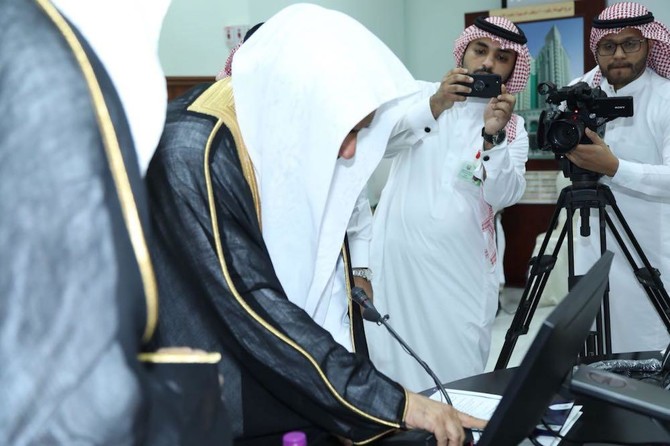
Muslim World League opens Rohingya relief center in Bangladesh
- The center will provide a small community for Rohingya refugees with social facilities
- It will offer basic education, vocational training and primary health care


Latest updates


© 2026 SAUDI RESEARCH & PUBLISHING COMPANY, All Rights Reserved And subject to Terms of Use Agreement.