
Fusion pop-up
Al Serkal Avenue, Dubai
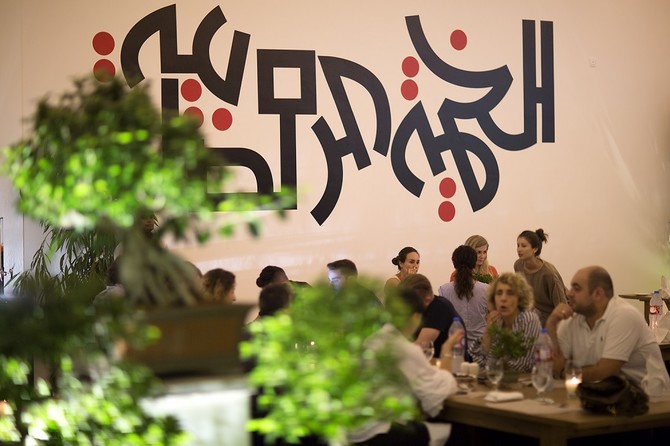
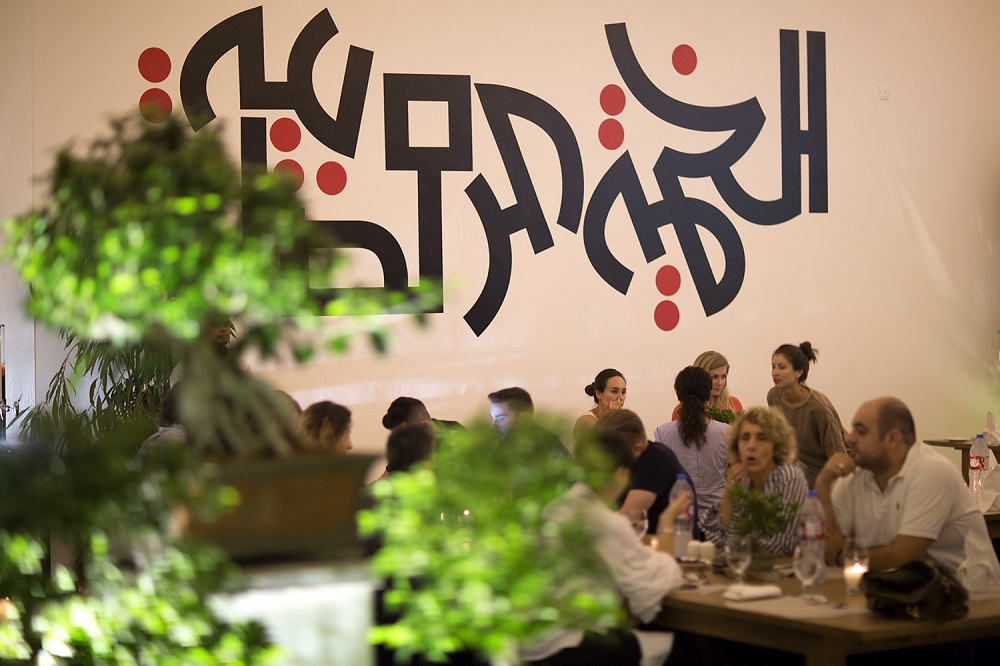
Open Tent by Chi-Ka in Warehouse 46 at Dubai’s hipster-heavy art district, Al Serkal Avenue, is offering a Japanese-Middle Eastern fusion iftar in a minimalist gallery space showcasing… well, Japanese and Middle Eastern culture. Bonsai gardens, calligraphy murals, and live oud performances set the scene for the unique dishes created by chef Michael Fessler. The menu is complemented by treats from traditional Japanese bakery Yamanote, specialty coffee from Night Jar, and artisanal chocolates from Mirzam, Chi-Ka’s neighbours at Al Serkal.
This isn’t the only iftar available at the Avenue this month. Culinary events space Inked has brought back its pop-up of Lebanese home-style food in collaboration with Beirut’s Tawlet kitchens. A whole host of other arty activities will also be on offer, from workshops, to art tours to pop-up markets.
Traditional tastes
Riyadh International Exhibition Center
Far more than an iftar destination, Ramadan fe Hartna is an annual festival where you can immerse yourself in the heritage of the Arabian Gulf. Traditional décor, popular Ramadan TV series broadcast on large screens, live entertainment including comedy, plus an educational games area make this the ideal evening out for all the family. With expansive buffets for both iftar and suhoor, featuring seasonal delicacies, you’ll be as well-fed as you are entertained.
A feast of culture
Sharjah cultural iftar
For iftar served with a side of culture and fun, this walking trail through the heart of Sharjah, curated by Frying Pan Adventures, is a must. With Emirati Fatima Alshuweihi as the guide, the tour starts with a simple but satisfying communal iftar in the neighborhood mosque of the waterfront heritage district that is home to the Sharjah Art Foundation, followed by a community service activity to reinforce the charitable spirit of Ramadan. Next, you’ll discover the historic alleys and souqs of Sharjah on a leisurely walk, with Alshuweihi providing insider insights into local heritage and Ramadan customs, punctuated by traditional street-food snacks, including thin-crust breads, cooling sodas, and luquaimat (fried sweet dumplings, a local staple). Along the way you’ll get to chat with senior community members over a cup of chai, and browse traditional clothing markets, making this one of the most authentic experiences you can have this Ramadan.
A festival of street food
Al Hussain district, Cairo
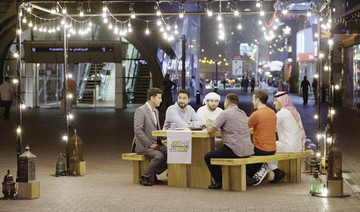
This popular spot beside the famous Al Hussain mosque gains a festive veneer during Ramadan with seasonal buntings, fanoos lanterns, and fairy lights. The numerous restaurants in the neighborhood welcome guests with dates and fruit juice at iftar time, when the whole area turns into a vibrant street carnival with feasting crowds spilling out into the streets. The colorful handicrafts and antiques of Khan el-Khalili marketplace provide perfect Ramadan shopping fodder.
Float your boat
Queen Elizabeth 2, Dubai
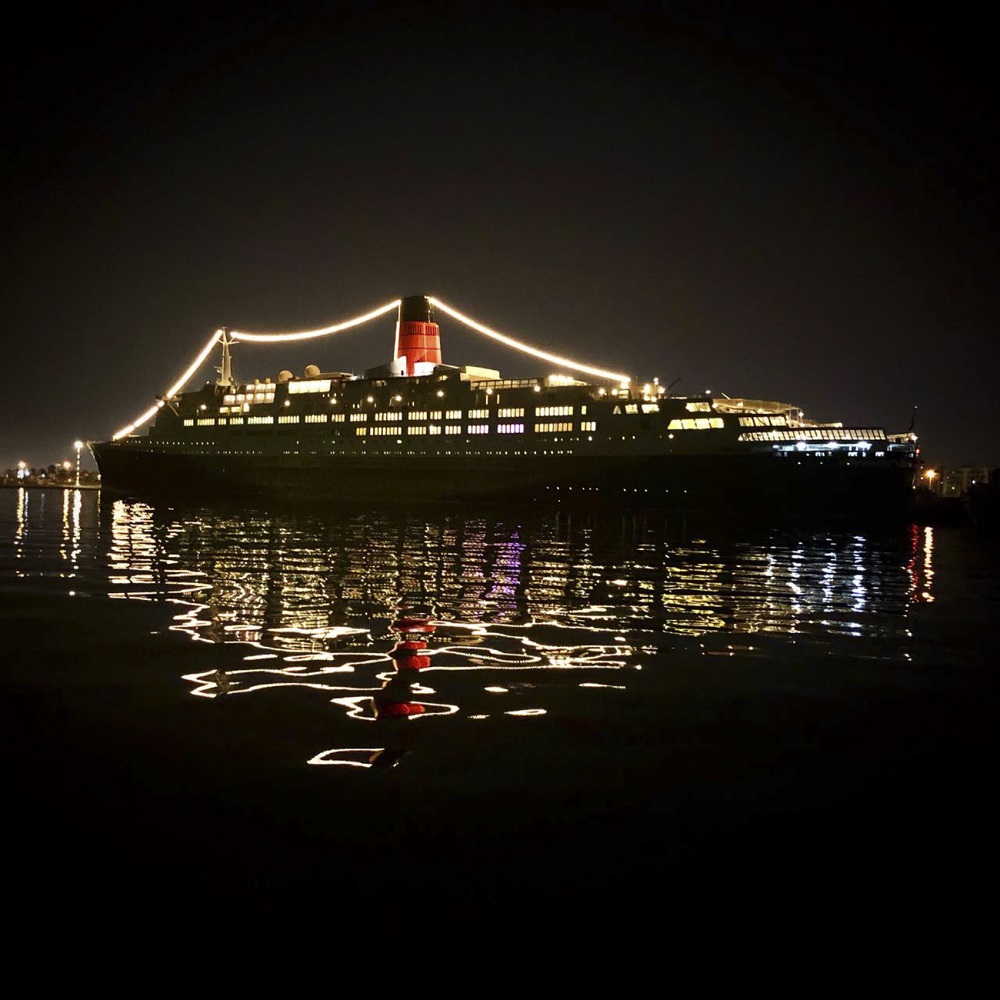
The Middle East’s first floating iftar definitely takes the cake when it comes to uniqueness. Hosted on board the famous former cruise ship, which has now been converted into a hotel, the QE2 iftar will offer an extensive buffet complete with live cooking stations and authentic Emirati dishes. Spread across a purpose-built majlis on the majestic ship’s largest deck — air-conditioned, thankfully — as well as the all-day-dining restaurant, Lido, this sprawling iftar is ideal for large groups. A smaller suhoor buffet is also offered from 9 p.m. onwards.
Fasting and fitness
Four Seasons Beirut
While the curated Lebanese set menu at elegant restaurant The Grill is definitely worth checking out — think soup, hot and cold mezze, classics such as fish sayadieh, and traditional desserts like Atayef achta — it’s the #MoveThisRamadan campaign that caught our eye. Beirut’s luxury waterfront hotel is offering guided Downtown walks, exercise classes on its rooftop, and jogging along the corniche as complimentary wellness activities for its hotel guests through the Holy Month. Seems like the perfect way to work up an appetite.