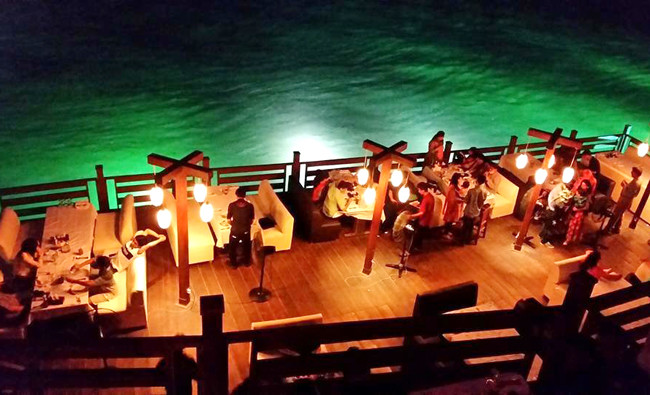
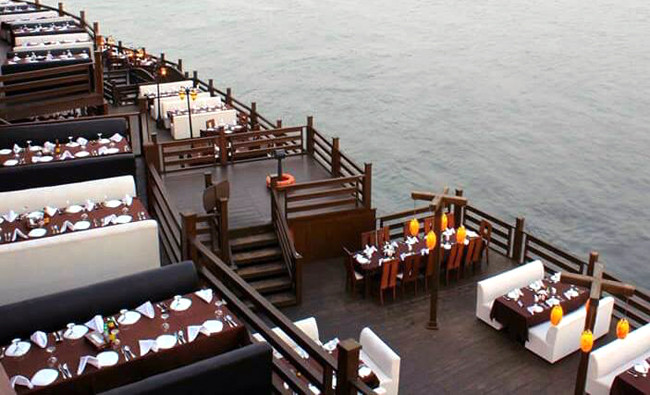
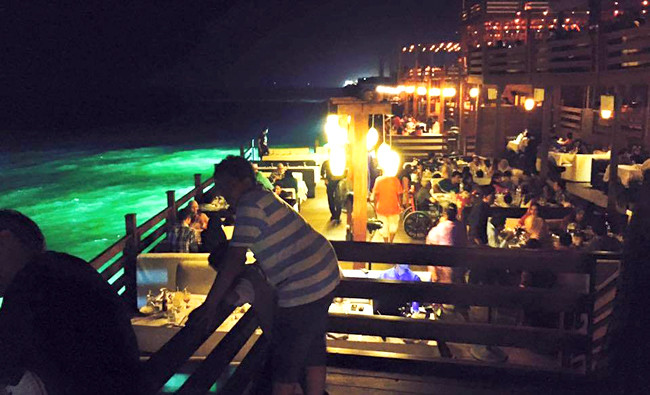
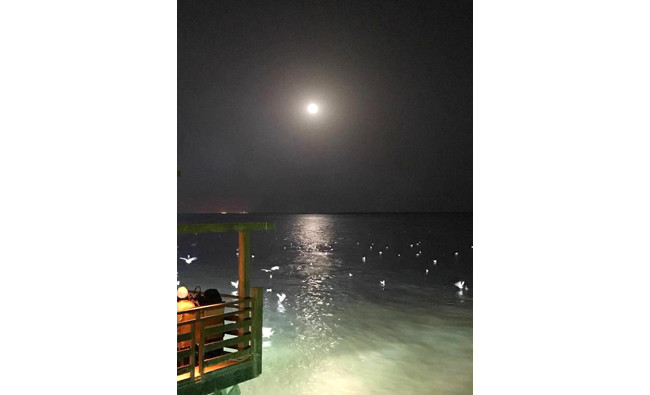
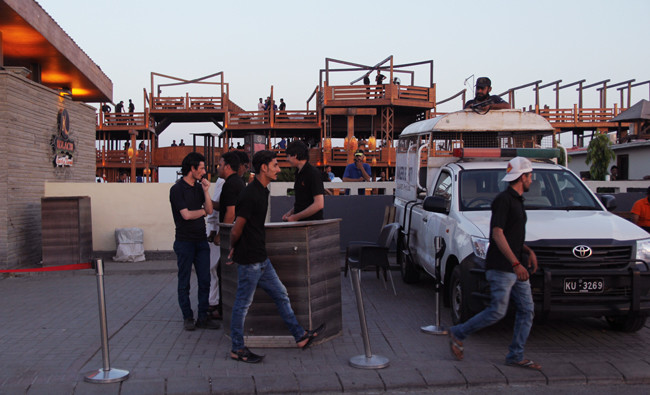
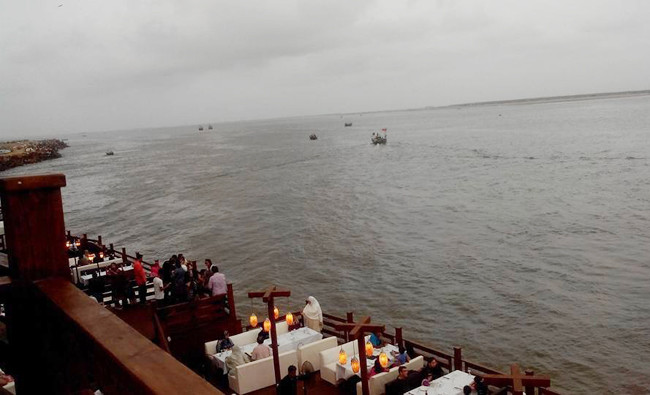
KARACHI: Farhan Muhammad Khan, who like many other Karachiites had found a beautiful place in Do Darya restaurant to dine with friends and family, is upset to hear that eateries set up some seven years ago will be closed after this Ramadan.
Deewan-e-Khass was the name of his famous restaurant, which along with four others, has already been shut down. Olive Café, Ambala Corniche and part of Kolachi, at the seaside in the Defense Housing Authority (DHA) neighborhood of the city, are also closed now.
One of the restaurants voluntarily closed business, 11 are open but may be shut down anytime, said Atif, the owner of Kolachi, a café named after the old name of the seaside Pakistani metropolis.
“When dozens of DHA and police mobile vans come and enter your property, how can you resist? They have started vacating the area by force,” Atif told Arab News, adding that when DHA failed to win the case in court, the authorities issued verbal orders to vacate immediately after Ramadan.
“This was a deserted place. A plot of 500 yards was worth 3 million rupees only. DHA gave us the place on lease. And we made huge investments.”
Atif claims that when the value of the land rose from 3 million rupees to 900 million rupees, the housing authority wanted the place vacated.
On March 22, 2013, the DHA authorities sent first legal notice to all restaurants to vacate the premises by Aug. 15. The notice prompted the owners to file a petition, submitting that each of the restaurants was allotted an area of 1,500 square yards under a written lease agreement on July 6, 2011.
The petitioners submitted before the court that they were promised their contracts would be renewed after the completion of a two-year period. “Though we were refused a lease for 30 years but were told that the place would not be vacated and there would be agreement after two years,” Atif said.
The latest stay order by Sindh High Court, dated Jan. 30, 2018, prompted the DHA authorities to resort to the use of force, Atif said.
“They have the power. All we can do is to go to court, which we will go. We have invested millions to build this place from scratch. All the restaurant owners will go to the court.”
The Kolachi’s owner also urged the army chief and chief justice to take notice of the action which, he said, was aimed at destroying a great atmosphere that projects the peaceful face of Karachi.
A spokesperson for the DHA refused to comment.


![]()
![]()
![]()
![]()
![]()
![]()
![]()

Fate of Karachi’s famous seaside food street in limbo
Fate of Karachi’s famous seaside food street in limbo
- Authorities to shut down Karachi’s famous seaside food street, Do Darya, after Ramadan.
- Tensions between restaurant owners at Do Darya and the Defense Housing Authority have been brewing since 2013.
Latest updates


Recommended


© 2026 SAUDI RESEARCH & PUBLISHING COMPANY, All Rights Reserved And subject to Terms of Use Agreement.