PARIS/LONDON: Huawei the world’s No.3 smartphone maker, will use the launch of a new flagship phone in Paris on Tuesday to make fresh gains in Europe, a region where it has made strides against rivals Samsung Electronics and Apple.
With camera-rich features and starting prices that analysts expect to be aggressive, the P20 series represent Huawei’s fresh attempt to compete head-to-head with Samsung’s Galaxy S9 and the iPhone X in the increasingly look-alike market for smartphones.
The P20 premium version, P20 Pro, comes with a triple camera and sensors that offer top-notch image definition among existing smartphones, Huawei said, in a clear response to camera upgrades for the Galaxy S9 unveiled in Barcelona last month.
The region is a lynchpin of the Chinese company’s ambition eventually to become the world’s No.2 phone supplier. Europe has been insulated from some of the intense competitive pressures Huawei faces from domestic rivals in its home market.
“The challenge for Huawei is to strengthen its brand personality and to steal more market share in Europe, given its absence from the US market,” said Thomas Husson, a consumer devices analyst at research firm Forrester.
“In this regard, the choice of Paris to launch a new flagship smartphone is quite new and interesting.”
Shipments to Europe grew more than 50 percent in the first half of 2017, Huawei has said. In two big smartphone markets – Italy and Spain – Huawei now ships more phones than Samsung or Apple, according to market research firm Counterpoint.
Huawei commanded 23 percent of the Italian market in the fourth quarter, for example.
Across Western Europe Huawei’s market share has risen in recent years to 12 percent, Counterpoint Research estimates.
Huawei’s weakest European markets are Britain, with 5 percent share and France, where it ships 6 percent of the smartphones sold here, but it is seeking to build its presence.
Still, it has begun to face more competition in Europe from a resurgent Nokia phones, run by HMD Global, and Chinese rival Xiaomi (IPO-XMGP.HK), Counterpoint analyst Peter Richardson said.
The market share gains on the continent have helped Huawei offset the company’s exclusion from the world’s most profitable market for phone sellers, the United States.
Targeting Huawei, the chairman of the US Federal Communications Commission said last week it planned to take “proactive steps” to ensure the integrity of the country’s communications supply chain.


![]()
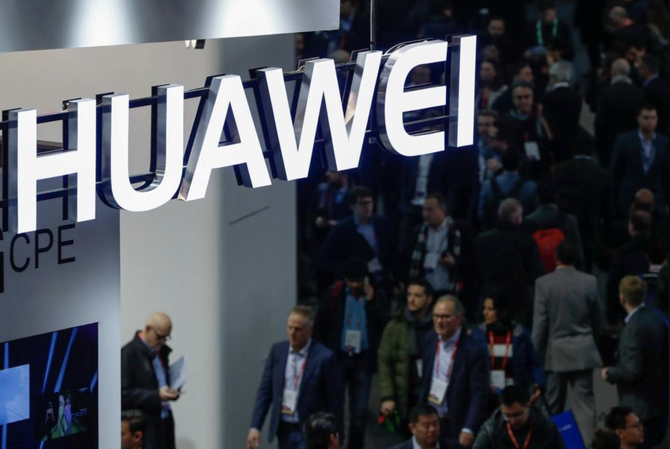
China’s Huawei see Europe as stepping stone in Samsung/Apple rivalry
China’s Huawei see Europe as stepping stone in Samsung/Apple rivalry


Latest updates


© 2026 SAUDI RESEARCH & PUBLISHING COMPANY, All Rights Reserved And subject to Terms of Use Agreement.