

Saudi hip-hop host launches The Beat DXB

1 / 2
Reem Ekay
2 / 2
Big Hass
Updated 21 March 2018
Follow

Saudi hip-hop host launches The Beat DXB

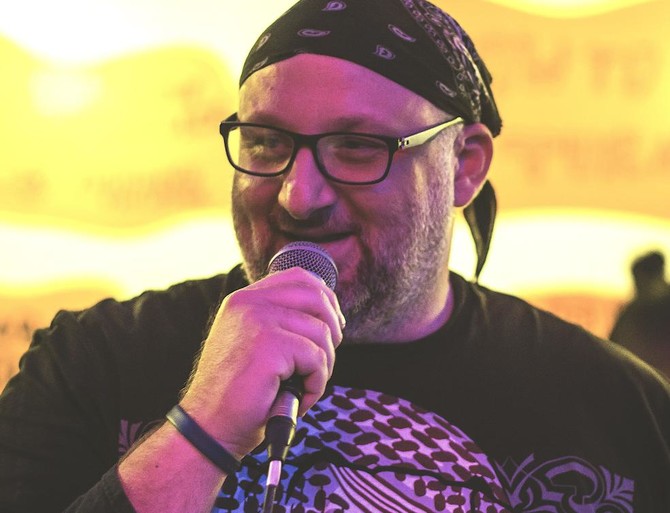
DUBAI: Saudi hip-hop promoter and radio host Hass Dennaoui (aka Big Hass) is known as one of the regional independent music scene’s most influential figures. Big Hass started the Kingdom’s first FM radio hip-hop show — “Laish Hip-Hop?” — in 2011, introducing Saudi listeners to what he calls “real” hip-hop. By which he means socially conscious, smart rap, as opposed to the commercial “bottles-and-girls” tracks that clutter up the charts.

Dennaoui relocated to Dubai from Saudi around 18 months ago “to give my autistic son a better life” and recently revived an events series that he launched in Jeddah in 2013, The Beat.

“Its main aim is to feature local, up-and-coming artists from the community and give them a platform to perform live,” he told Arab News.

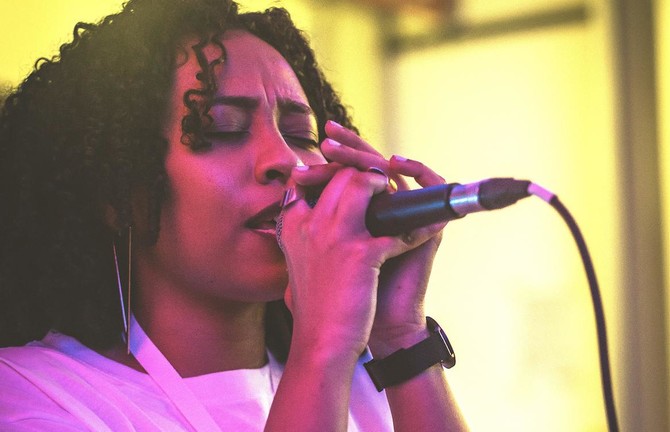
Last weekend saw the first The Beat DXB take place. It featured performances from Lebanese singer-songwriter Jamil Jabbour, Sudanese R&B/soul singer Reem Ekay, and Serbian singer and pianist Aleksandra Krstic.

“The main reason I wanted to launch with these artists was simply because they don’t perform that often in Dubai,” Dennaoui explained. “Jamil Jabbour is very talented with a very strong voice, but he rarely gets the chance to do originals. Reem’s vibe is just incredible, but The Beat DXB was her first live performance in two years! And Aleks is one of my favorite singers in Dubai. We also got a special appearance by Double A the Preacherman who freestyled using lyrics we gave him on the spot, which proved to be very entertaining.”

Dennaoui described the night as “amazing,” saying: “What I personally enjoyed was the fact that the audience was there listening to each and every song: There was no talking, no drinking, no distraction, simply a connection made between the artist and the audience, and watching that was a true blessing.

“I received a lot of great feedback,” he continued. “I expect big things for The Beat DXB.”


Lebanese filmmaker turns archival footage into a love letter to Beirut

Updated 28 February 2026
Follow

Lebanese filmmaker turns archival footage into a love letter to Beirut

LONDON: Lebanese filmmaker Lana Daher’s debut feature “Do You Love Me” is a love letter of sorts to Beirut, composed entirely of archival material spanning seven decades across film, television, home videos and photography.

The film premiered at the 82nd Venice International Film Festival in September and has since traveled to several regional and international festivals.

Pink Smoke (2020) by Ben Hubbard. (Supplied)

With minimal dialogue, the film relies heavily on image and sound to reconstruct Lebanon’s fragmented history.

“By resisting voiceover and autobiography, I feel like I had to trust the image and the shared emotional landscape of these archives to carry the meaning,” Daher said.

A Suspended Life (Ghazal el-Banat) (1985) by Jocelyne Saab. (Supplied)

She explained that in a city like Beirut “where trauma is rarely private,” the socio-political context becomes the atmosphere of the film, with personal memory expanding into a collective experience — “a shared terrain of emotional history.”

Daher said: “By using the accumulated visual representations of Beirut, I was, in a way, rewriting my own representation of home through images that already existed."

Whispers (1980) by Maroun Bagdadi. (Supplied)

Daher, with editor Qutaiba Barhamji, steered clear of long sequences, preferring individual shots that allowed them to “reassemble meaning” while maintaining the integrity of their own work and respecting the original material, she explained.

The film does not feature a voice-over, an intentional decision that influenced the use of sound, music, and silence.

The Boombox (1995) by Fouad Elkoury. (Supplied)

“By resisting the urge to fill every space with dialogue or score, we created room for discomfort,” Daher said, adding that silence allows the audience to sit with the image and enter its emotional space rather than being guided too explicitly.

 The film was a labor of love, challenging Daher personally and professionally.

“When you draw from personal memory, you’re not just directing scenes, you’re revisiting parts of yourself and your childhood,” she said. “There’s vulnerability in that.”