CAIRO: Yemeni-Emirati musician Balqees Fathi has been selected as one of the region’s most influential personalities in the “Arab 30 under 30” list, recently revealed by Forbes Middle East.
The singer was chosen as the most influential personality in the music category.
Forbes credits her participation in the first female-only concert in Saudi Arabia last December as part of the reason she made the list. She also headlined the Sharjah World Music Festival in the same month.
The 29-year-old star was also a brand ambassador for Pantene in 2016 and for L’azurde, a jewelry brand, in 2017.
Forbes Middle East has issued its first list of Arab movers and shakers under the age of 30, who are revolutionizing their respective fields through innovative ideas.
“With over 60 percent of the population under the age of 30, the very first class of Arab 30 under 30 is a dynamic mix of social entrepreneurs, artists, celebrities and intellectuals,” reads Forbes Middle East’s website.
The list features Palestinian singer Mohammed Assaf, 29, who was awarded a recording contract and gained a legion of adoring fans when he won Arab Idol in 2013.
Another high achiever is the UAE’s new Minister of State for Artificial Intelligence Omar bin Sultan Al-Olama, who at 29 is responsible for selecting the learning tools for the country’s smart government services.
Egyptian footballer and Liverpool striker Mohammad Salah was also featured on the list. The 25-year-old is currently the second highest goal scorer in the English Premier League.
In October last year, he led Egypt to its first football World Cup finals since 1990, after having scored five goals in the qualifiers.


![]()
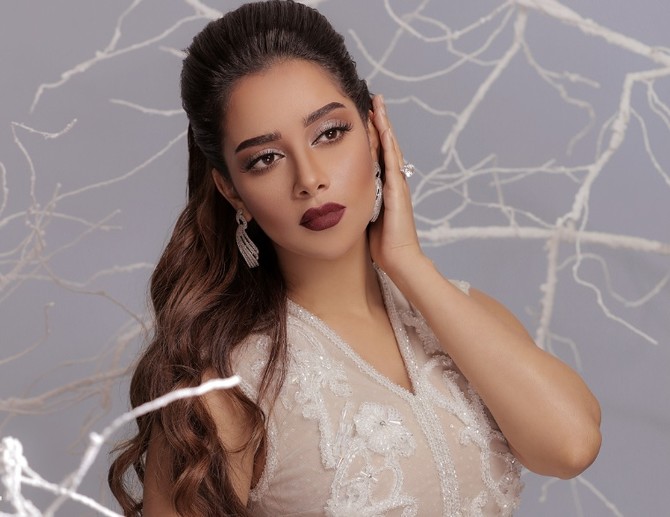
Yemeni-Emirati singer Balqees named in Forbes’ Arab 30 under 30 list
Yemeni-Emirati singer Balqees named in Forbes’ Arab 30 under 30 list

Latest updates





Recommended


© 2026 SAUDI RESEARCH & PUBLISHING COMPANY, All Rights Reserved And subject to Terms of Use Agreement.