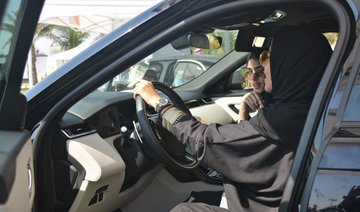
JEDDAH: A leading Saudi fashion designer has released a short film celebrating the changing role of women in the Kingdom.
The film, entitled “sa’aqood,” or Arabic for “I will drive,” was produced by Hatem Al-Akeel, founder and creative director of the Toby label. It highlights women’s ability to drive and lead, both physically and metaphorically.
Al-Akeel has been showing support for women’s empowerment through his innovative designs for some time.
“The driving concept is very symbolic,” he said.
“Seeing a woman drive shows how we’re heading toward a more progressive and moderate Saudi Arabia. Women now are more empowered and are moving forward with respect to the culture and traditions.
“My whole ethos has been to show the tremendous potential and capabilities of Saudi Arabia. The video’s message is to empower women and also show the levels of excellence, luxury and sophistication Saudi women can strive for,” he said.
The video features Saudi entrepreneur Bayan Linjawi, co-founder of Blossom MENA, an online platform that promotes technology entrepreneurship in the Kingdom.
“It’s not about driving a car, it’s about having the choice as a woman to participate in social, economic and political activities. It’s steering one’s life,” said Linjawi.
The video sends a message that women are ready to take on leadership roles and tackle any challenge.
“I am a firm believer in creating messages, and they have always been that Saudi Arabia can hold its own against any culture — we have so much to offer,” said Al-Akeel.
The fashion founder wants to show the positive side of tradition with designs that have transformed the common abaya into a style statement, for example.


![]()

Saudi fashion designer puts local women in the driving seat
Saudi fashion designer puts local women in the driving seat


Latest updates


© 2026 SAUDI RESEARCH & PUBLISHING COMPANY, All Rights Reserved And subject to Terms of Use Agreement.