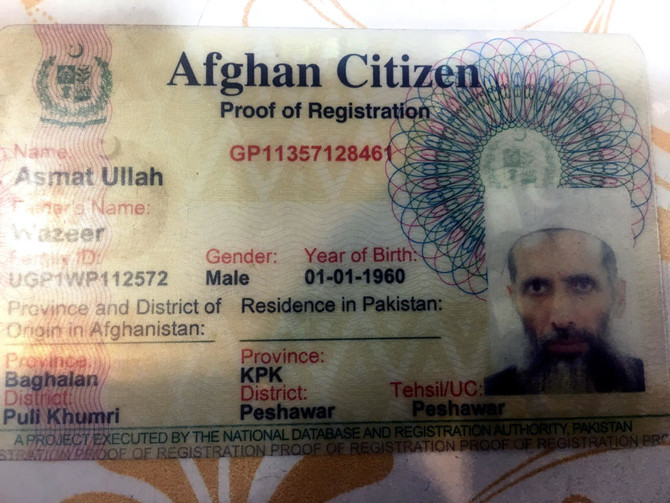
PESHAWAR: Hajji Asmat, 55, migrated to Pakistan in 1985, leaving behind a prosperous life in Afghanistan’s city of Baghlan.
His father was a landlord who ran a well-established business in the area. After the Soviet invasion, the family moved to Peshawar in Pakistan.
“It was a horrible time for my family, both mentally and financially,” Asmat told Arab News. Like other Afghans, Asmat’s family also started building a new life from scratch in a refugee camp.
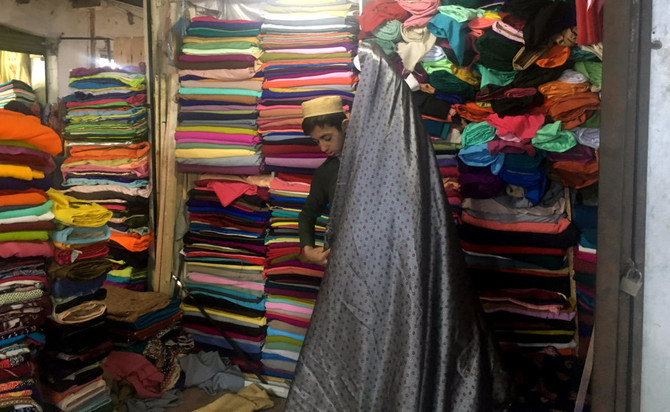
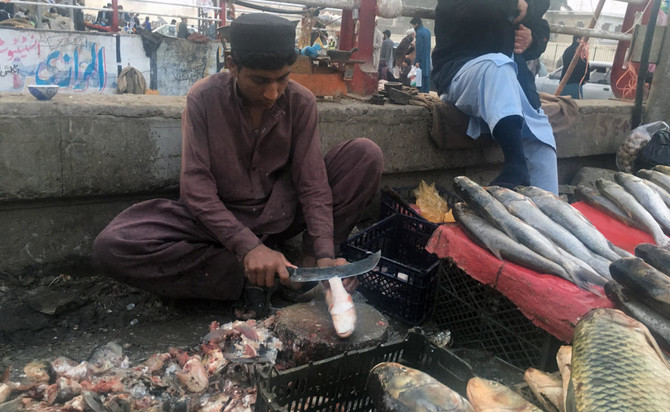
After a decade of hard work, Asmat succeeded in his clothing business in Peshawar Board Bazaar.
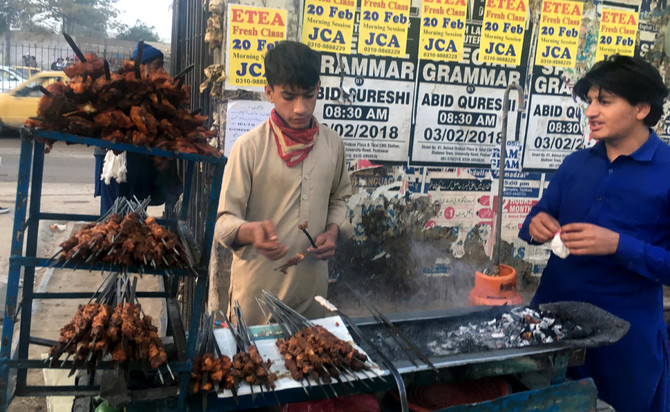
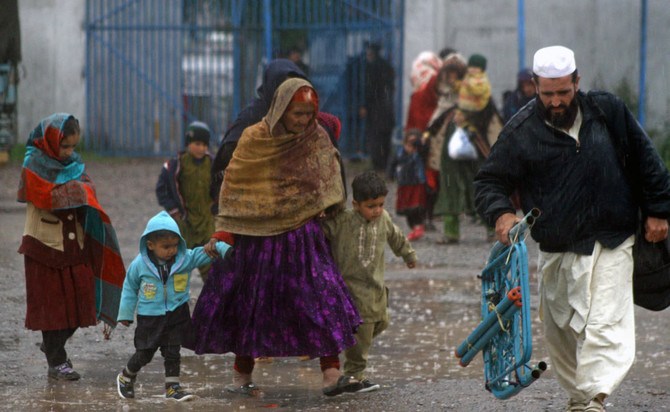
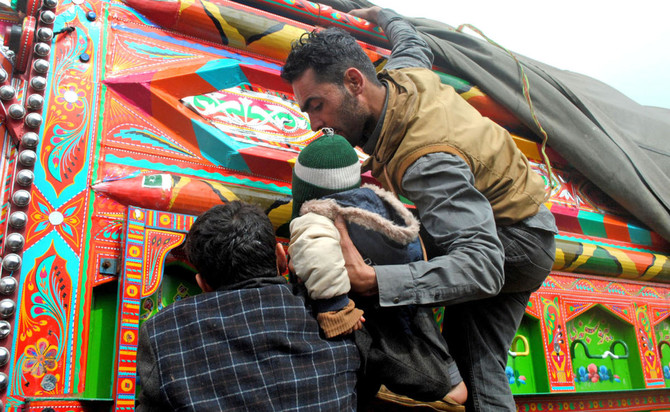
The bustling marketplace was once described as mini-Kabul since it used to be the hub of Afghan refugees with entrepreneurial skills — until recently. Last year, the Pak-Afghan border was shut down by Pakistani authorities owing to clashes which created an outcry against the Afghan community on the eastern side of the border. The Pakistani government then formally sought their repatriation.
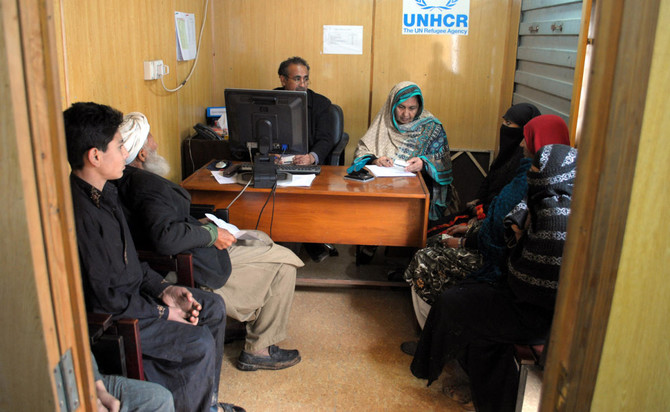
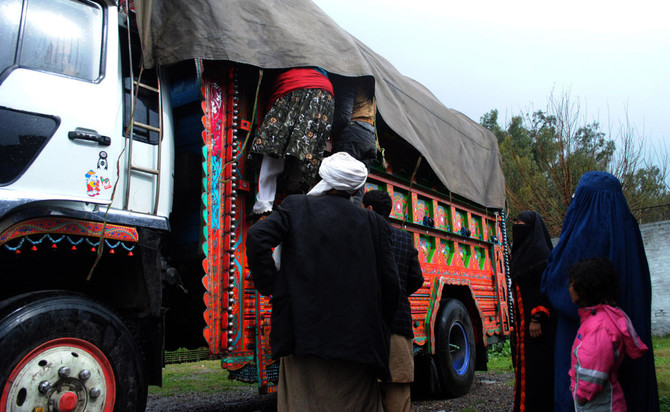
Currently, 1.4 million Afghan refugees live in Pakistan while 4.3 million have gone back to Afghanistan since 2002 under the UNHCR-supported voluntary repatriation program.
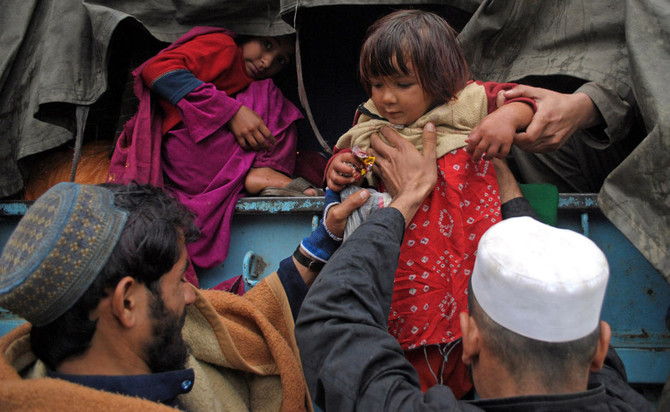
The government of Pakistan has also registered around 800,000 undocumented Afghans. “In 2016, 380,000 and last year 60,000 Afghan refugees went back to their country,” UNCHR spokesperson Qaiser Khan Afridi told Arab News.
Pakistan’s demand that Afghan refugees pack up their belongings and businesses in two months has disturbed Asmat and dozens of other Afghan businessmen. “We have receivables amounting to millions of rupees,” he said. “It is not possible to get that kind of money in haste.”
Owing to the protracted conflict in Afghanistan, Asmat’s home in Baghlan has also been razed and he will have to construct it again. When the property dealers learn about the repatriation, the worth of his property drops in Pakistan. As he sees it, there are “mafias on both sides of the border who are trying to financially benefit from the situation.”
“Afghans want to go back to their home,” said Saeed Khan, a businessman from the war-ravaged country who regularly visits Pakistan. “But they need some time for that.”
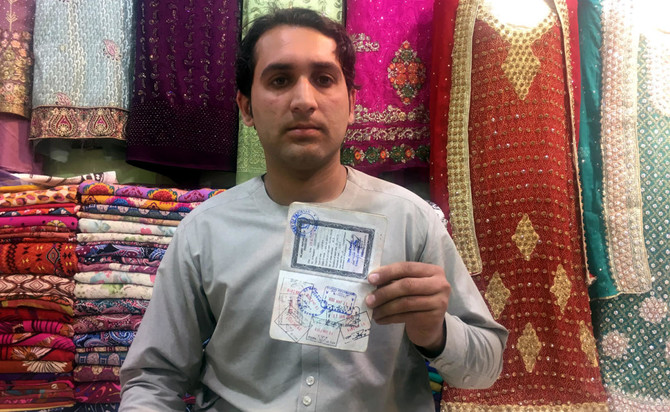
Khan has a valid visa on his passport, though he still faces problems while dealing with state agencies.
“This visa makes me lawful in this country,” he said, displaying his travel permit. “But I am still alien and illegal for local police and other agencies.”
“In the past police have arrested only the unregistered Afghans but once the registration and other processes started all arrests were stopped,” said Salahudin Mehsud, Northwest province Khyber Pakhtunkhwa’s Inspector General of Police in response to allegations.
Amina, an Afghan woman, fell in love with a Pakistani and married him. A mother of four, she now lives with her husband on the outskirts of Peshawar. All her children are studying in different educational institutes in the city.
“I am worried about my children’s future,” said Amina, visibly upset. Her elder son and daughter are 10th and 12th-grade students in local colleges.
“First, we had to put up with foreign aggression. Then the factional fighting began and, ultimately, the Taliban destroyed the infrastructure in our country. There are not many modern education facilities in Afghanistan, and I don’t want my children to remain illiterate.”
Hundreds of Afghans, males and females, are married to Pakistani citizens. The future of their relationships largely depends on how Afghanistan and Pakistan deal with each other.
Meanwhile, the UNHCR spokesperson told Arab News that the UN refugee agency has been trying to make the voluntary repatriation program convenient for the refugees by providing $200 per head to all the families who agree to go back to their country.


![]()
![]()
![]()
![]()
![]()
![]()
![]()
![]()
![]()
![]()
![]()
![]()
![]()
Afghan refugees face uncertainty in Pakistan



Afghan refugees face uncertainty in Pakistan
Latest updates


© 2026 SAUDI RESEARCH & PUBLISHING COMPANY, All Rights Reserved And subject to Terms of Use Agreement.