HONG KONG: Retailers in Hong Kong such as Chow Tai Fook, the world’s No. 2 jeweler after Tiffany’s by market capitalization, are expanding again in a sign of confidence for a sector critical to the economy.
A pick-up in visitor arrivals from mainland China and strong local demand buoyed by robust stock and property markets have boosted consumer confidence, which translated into retail sales rising 2.2 percent in 2017, the first increase in three years.
Consultant PwC expects retail sales growth to quicken to 4-6 percent this year and to remain firm for several years after that. The volume of retail sales last year rose 1.9 percent after two straight years of decline.
Retail sales are critical for the economy. When 2017 GDP figures are published, analysts expect them to show that retail sales produced 17 percent of the economy’s growth and about a 10th of its jobs.
Like many other brands, Hong Kong-listed Chow Tai Fook had closed stores in recent years. It said it opened three new shops in Hong Kong between October and December 2017 and plans further openings, including in neighboring Macau. Including mainland China, the brand increased its stores to 2,565 in 2017 from 2,377 in 2016.
“The outlook for the jewelry sector in Hong Kong this year is positive against the backdrop of a recovering economy in mainland China ... and the booming stock and property markets that create a positive wealth effect,” the company said in a statement.
Other stores will follow Chow Tai Fook’s suit, figures from real estate services company Colliers International suggest. It predicts that 1.38 million square feet of new retail space will come onto the market in the core shopping districts of Hong Kong in 2018, a sharp increase from 327,000 square feet in 2017.
Chow Tai Fook’s smaller rival Luk Fook Holdings added two stores in Hong Kong in the final quarter of 2017 and jeweler Chow Sang Sang said it might open more shops in Hong Kong.
Skincare and cosmetics brand L’Occitane International increased its stores in Hong Kong to 36 in 2017 from 34 in 2016 and rival Sa Sa International added four to take its total to 119 in 2017.
Visitors to Hong Kong from the Chinese mainland are rising again, which has helped boost retail sales. Their numbers increased 3.9 percent in 2017 after falling 6.7 percent in 2016. Total visitors also increased in 2017 after declining in 2015 and 2016.
One attraction for Chinese mainland visitors to Hong Kong is that imported goods are often cheaper than in China due to lower tariffs.
A Hong Kong jobless rate of less than 3 percent — the lowest in nearly 20 years — is also boosting confidence and analysts said there is little pressure on retailers to pay higher rents, allowing them to keep costs under control.
“There are still many empty shops on the streets, absolutely it is not a time for raising rents,” said Joe Lin, executive director, advisory and transaction services, retail at property services group CBRE in Hong Kong.
“I don’t believe we will see a significant rebound in retail rent in the next 12 months,” he said.
Colliers said favorable rents on first-tier high streets were driving demand for shops in prime locations although brands, including Major League Baseball (MLB), Swedish watch brand Daniel Wellington and Swiss luxury watch maker Carl F. Bucherer, were opting for smaller stores of around 1,000-5,000 square feet rather than bigger ones.
“International mid-market fashion and lifestyle brands are thriving, new F&B (food and beverage) concepts continue expansion,
luxury watches and jewelry demand continue a slow recovery,” it said.


![]()
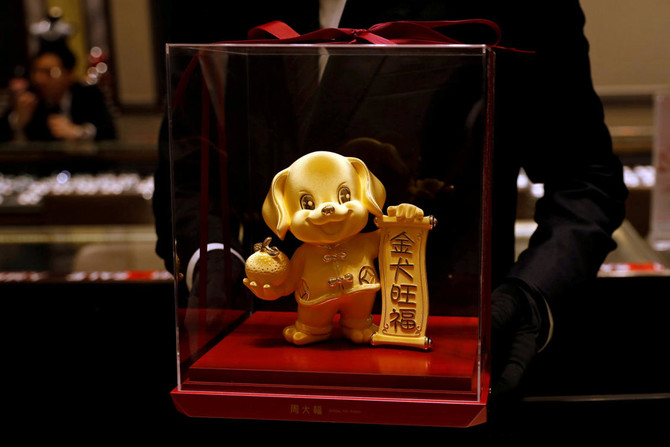
Fortune smiles on Hong Kong brands as retail sales recover
Fortune smiles on Hong Kong brands as retail sales recover

Latest updates


© 2026 SAUDI RESEARCH & PUBLISHING COMPANY, All Rights Reserved And subject to Terms of Use Agreement.