UNITED NATIONS: The UN Security Council on Wednesday gave parties to a peace deal in Mali until the end of March to show progress or face sanctions for obstructing the 2015 agreement.
The council unanimously adopted a French-drafted statement that “expressed a shared sense of impatience regarding the persistent delays” in making the agreement a reality on the ground.
Council members “expressed their intention to follow the situation closely and to respond with appropriate steps should the parties not implement the commitments” by the end of March, the statement warned. extremists linked to Al-Qaeda took control of the desert north of Mali in early 2012, but were largely driven out in a French-led military operation launched in January 2013.
Mali’s government signed a peace agreement with coalitions of armed groups in June 2015 to end the fighting, but insurgents remain active, including in central Mali.
Last week, the government and two other armed groups, the Plateforme and Coordination, agreed to appoint the Carter Center as an independent observer to push for more progress.
The council said there was a “pressing need to deliver tangible and visible peace dividends to the population in the North and other parts of Mali” ahead of elections scheduled for this year.
The statement listed decentralization of authority, disarmament and demobilization, setting up better cooperation mechanisms in the northern towns of Kidal and Timbuktu and ensuring women’s participation as key areas of focus.
During a meeting in New York, US Ambassador Nikki Haley on Wednesday told Malian Foreign Minister Tieman Hubert Coulibaly that Mali had reached “a pivotal moment.”
Implementing the 2015 peace deal and holding successful elections are “critical to further Mali’s political transition,” said a statement from the US mission.
The council in September set up a sanctions regime for Mali as fears grew that the peace deal for the West African country was collapsing.
Large tracts of the country remain lawless as UN peacekeepers continue to come under attack.
During a council meeting on Tuesday, French Ambassador Francois Delattre said any side that fails to live up to its commitments under the peace deal should face targeted sanctions.
Under the sanctions regime, the council has the power to slap a global visa ban and assets freeze on any Malian national seen as a hindrance to peace.
UN Secretary-General Antonio Guterres on Tuesday announced that he was setting up an international commission of inquiry to investigate serious violations of human rights committed in Mali since January 2012.
A three-person panel led by Lena Sundh of Sweden will submit a report to Guterres within a year.


![]()

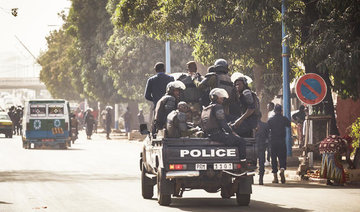
UN threatens sanctions over faltering peace deal in Mali
UN threatens sanctions over faltering peace deal in Mali

Latest updates


© 2026 SAUDI RESEARCH & PUBLISHING COMPANY, All Rights Reserved And subject to Terms of Use Agreement.