BERLIN: German authorities searched premises linked to 10 suspected Iranian spies following extensive investigations by the country’s domestic intelligence agency, prosecutors said Tuesday.
A spokesman for the Federal Prosecutors Office said the raids took place early Tuesday at private homes and offices across Germany.
“We believe the suspects spied on institutions and persons in Germany at the behest of an intelligence unit associated with Iran,” spokesman Stefan Biehl told The Associated Press.
He declined to comment on a report by weekly magazine Focus that the suspects were spying on Israelis in Germany.
The investigation was prompted by a tip from Germany’s domestic intelligence service, said Biehl, adding that no arrests had been made yet.
Germany’s Interior Ministry referred questions about the raids to federal prosecutors.
Last month, the German government protested to the Iranian ambassador following the conviction of an Iranian agent for spying. The Pakistani man was convicted in Berlin last year of espionage and sentenced to more than four years in prison. His targets included Reinhold Robbe, who headed the German-Israeli Association.
Germany’s Foreign Ministry said Iranian ambassador Ali Majedi was summoned just before Christmas and told that “spying on people and institutions with a particular relationship to the state of Israel on German soil is a blatant violation of German law.”


![]()
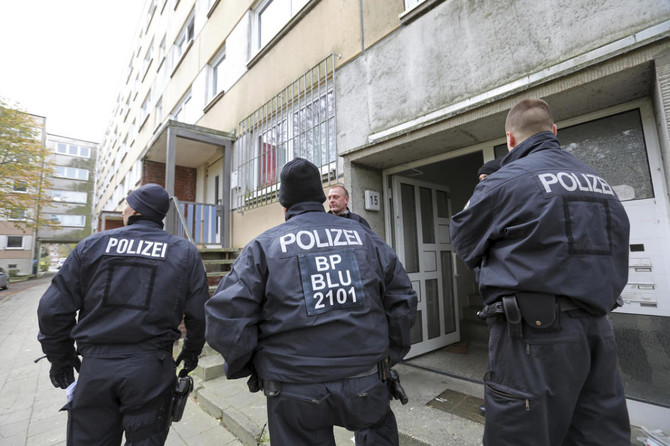
Germany conducts searches against 10 suspected Iranian spies
Germany conducts searches against 10 suspected Iranian spies



Latest updates


© 2026 SAUDI RESEARCH & PUBLISHING COMPANY, All Rights Reserved And subject to Terms of Use Agreement.