BEIJING: Germany’s central bank has said it will include China’s yuan in its reserves, giving another boost to Beijing’s drive to internationalize the currency and helping send the unit to two year highs.
The Bundesbank said its board had decided in July to invest in the renminbi, as it is also known, to take account of its growing importance globally, though it did not say when it would begin to include it or how much it would purchase.
“The decision to accept the renminbi is part of a long-term diversification strategy and reflects the growing role of the Chinese currency in the world financial system,” Bundesbank board member Joachim Wuermeling said on Monday.
The German central bank regularly reviews the composition of its currency reserves “by weighing risks and benefits,” Wuermeling said.
“In addition to dollars and yen, (the bank) has invested in Australian dollars since 2013 and seeks to invest in other currencies.”
The move comes after the European Central Bank in June converted €500 million (SR2.275 billion) worth of its dollar reserves into yuan.
China was Germany’s top trade partner in 2016, ranking first in the European country’s imports and fourth as an export destination.
The Bundesbank’s currency reserves totaled some €170 billion in November.
The yuan has gained increasing global clout in recent years and in September 2016 it joined the dollar, pound, yen and euro in the IMF’s elite “special drawing rights” reserve currency basket.
It strengthened to 6.4138 against the dollar on Monday, its highest level since December 2015, according to China’s Foreign Exchange Trade System, but weakened slightly to 6.4319 on Tuesday.
The unit has rallied from lows close to 7.0 against the greenback seen at the turn of the year, with the dollar also coming under pressure from most other currencies.
China’s central bank only allows the tightly controlled yuan to rise or fall two percent on either side of a daily reference rate to prevent volatility but it takes into account market pressures when making its decision.
But the latest rise could lead officials to intervene, analysts say, to prevent the currency becoming too expensive.
Ding Shuang, chief economist for Greater China and North Asia at Standard Chartered in Hong Kong, said: “Policy reactions may include outright interventions right before close, or a relaxation of outflow control measures to release the yuan appreciation pressure.
“The government will likely gradually expand the range each year, paving the way for a lightly managed float in two to three years.”
The yuan’s weakness against the dollar has been a sensitive issue with the US, with President Donald Trump in the past hitting out at what he calls unfair trade practices by China aimed at giving their exporters an advantage over US firms.


![]()
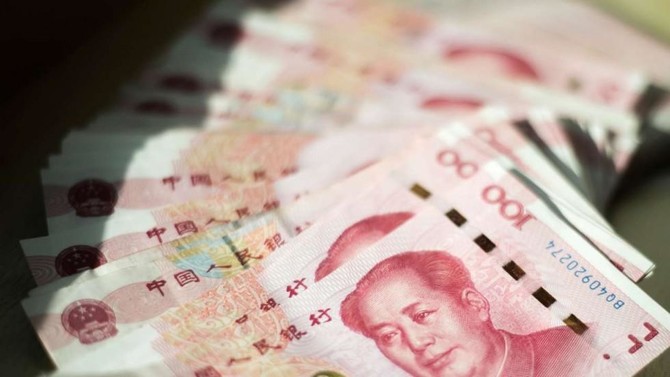
Germany to add China’s yuan to currency reserves
Germany to add China’s yuan to currency reserves


Latest updates





© 2026 SAUDI RESEARCH & PUBLISHING COMPANY, All Rights Reserved And subject to Terms of Use Agreement.