JERUSALEM: Israel will approve construction of hundreds of new settlement homes in the occupied West Bank, Israeli Defense Minister Avigdor Lieberman said on Tuesday.
Settlements are one of the most heated issues in efforts to restart Israeli-Palestinian peace talks, frozen since 2014.
Palestinians want the West Bank for a future state, along with East Jerusalem and the Gaza Strip. Most countries consider as illegal the Israeli settlements built in the territory, which Israel captured in the 1967 Middle East war, and they are.
Israel disputes that its settlements are illegal and says their future should be determined in peace talks with the Palestinians.
Israeli authorities were due to approve on Wednesday the construction of 1,285 housing units to be built in 2018 and advance planning for 2,500 others in about 20 different settlements, Lieberman said in a statement.
There was no immediate comment from the Palestinian officials. The Palestinians say Israeli settlements in the West bank, a key issue in peace talks. deny them a viable contiguous state.
US-brokered peace talks between Israel and the Palestinians collapsed in 2014 and a bid by the Trump administration to restart them have shown little sign of progress.
The White House said on Monday US Vice President Mike Pence will visit the region from Jan. 20 to 23, embarking on a tour originally planned for December after President Donald Trump recognized Jerusalem as the capital of Israel.
Pence will hold talks with Egyptian President Abdel Fattah El-Sisi, Jordan’s King Abdullah and Israeli Prime Minister Benjamin Netanyahu, the White House said.
Trump’s decision on Jerusalem and announcement in December that the United States would start the process of moving its embassy from Tel Aviv enraged the Palestinians who said the United States can no longer broker peace with Israel.


![]()
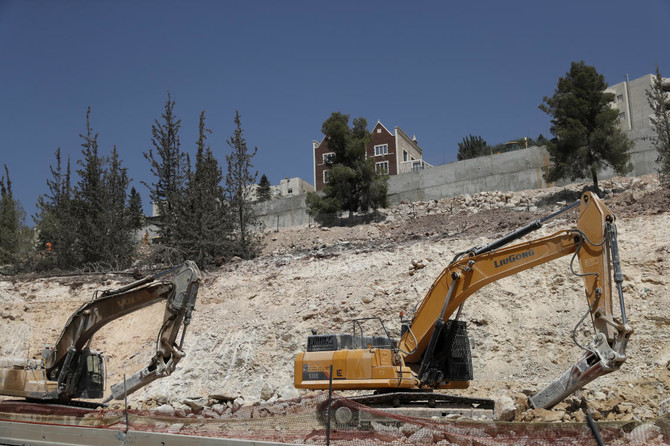
Israel to approve hundreds of new settler homes in W.Bank
Israel to approve hundreds of new settler homes in W.Bank




Latest updates


© 2026 SAUDI RESEARCH & PUBLISHING COMPANY, All Rights Reserved And subject to Terms of Use Agreement.