CAIRO: Egypt will hold a presidential election on March 26-28, with the incumbent Abdel Fattah El-Sisi widely expected to seek a second term in office.
Sissi, who won a landslide victory after he led the military overthrow of elected President Mohamed Mursi in 2013, has yet to announce his candidacy.
Candidates must submit their official bids to the commission between Jan 20-29. Announcing the date, the national election commission said a run-off would be held on April 24-26 if needed.
It will be Egypt’s third election since the 2011 uprising which ended Hosni Mubarak’s long rule.
Sissi’s most serious potential challenger, former prime minister Ahmed Shafik, recalled his candidacy on Sunday saying his time back in Egypt has led him to reconsider the decision.
Shafik returned to Egypt from the United Arab Emirates in December after announcing his intention to run, setting off a firestorm of criticism from state-aligned media.
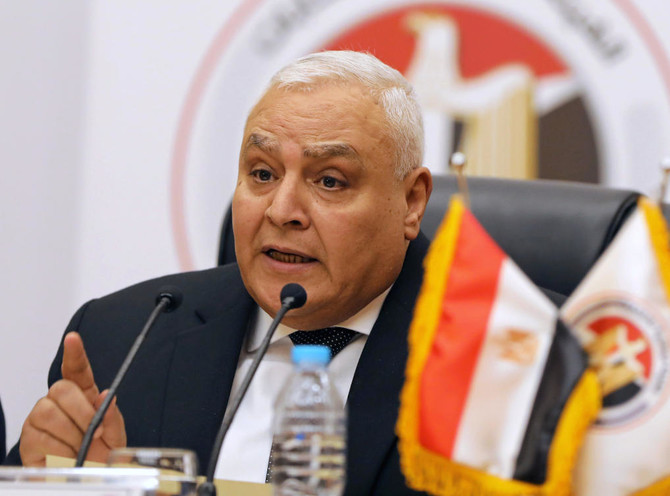
“Exercise your right to run for office and vote, do your duty of choosing the president of your country, your voice will certainly make a difference,” Lasheen Ibrahim, the judge heading the comission, said at a news conference in Cairo.
First round results will be announced on April 2 and, in the event of a run-off, on May 1.


![]()
Egypt announces date for presidential election
Egypt announces date for presidential election

Latest updates


© 2026 SAUDI RESEARCH & PUBLISHING COMPANY, All Rights Reserved And subject to Terms of Use Agreement.