RIYADH: The Saudi Ministry of Health announced that a 57-year-old man died of Middle East Respiratory Syndrome Coronavirus (MERS-CoV) in Riyadh on Wednesday, and that an 80-year-old who contracted the virus was “stable.”
The 57-year-old has been classified as the first MERS victim of 2018, according to the ministry’s website.
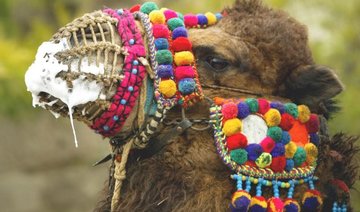
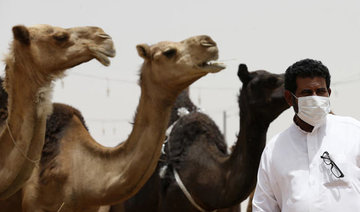
“MERS is endemic in camels in the Arabian peninsula and surrounding countries,” Abdullah Assiri, deputy minister for infectious diseases, told Arab News on Saturday. “Human infections are sporadic and linked to direct or indirect exposure to camels or camels’ environment.”
He added that “human-to-human transmission is not sustained in the community, however, in health care settings, the transmission is much more efficient. In 2017, MERS outbreaks were largely prevented or controlled.”
He explained that this was achieved through implementation of strict infection-control measures including triage of patients in emergency rooms and hemodialysis units, early detection and isolation of suspected MERS cases, and adherence to hand hygiene and the proper use of protective equipment.
“Trials on therapeutic agents are ongoing and the progress in developing a camel vaccine is encouraging. The animal vaccine will probably be the most effective way to control the disease,” Assiri said.
Dr. Mohamed Abdel Rahman, infection control consultant, stated that awareness among health care workers was vital.
He also advised caution when dealing with camels, as some are intermediary incubators of the virus, again stressing the need for proper hand hygiene and protective clothing. Camel milk should be boiled before drinking, he warned, adding, “There’s no vaccine or specific treatment for MERS.”
Meanwhile, five new H5N8 avian flu cases were announced on Friday in Riyadh, Ahsa and Al-Duwadmi, the Ministry of Environment, Water and Agriculture said.
Field teams in Kharj, Hiraimla, Dharma, Ahsa, Buraidah, Bikairiyah, and Al-Duwadmi have tracked and culled infected birds, while the Riyadh-based Veterinary Diagnosis Laboratory has so far received 2,449 samples during the latest outbreak of the H5N8 virus.
Last week, the ministry banned all poultry farms and bird breeders from transporting live birds between different regions of the Kingdom unless they have the necessary permits.
A shipment of 640 birds being smuggled from Jeddah to Madinah, and a similar shipment being transported from Riyadh to Makkah, were seized this week.
Violators of the bird transport ban will reportedly receive a fine of up to SR1 million ($267,000) and a maximum of five years in prison. Their licenses will be suspended or canceled, the ministry said.


![]()

Riyadh man dies of MERS; 5 new avian flu cases reported
Riyadh man dies of MERS; 5 new avian flu cases reported

Latest updates





© 2026 SAUDI RESEARCH & PUBLISHING COMPANY, All Rights Reserved And subject to Terms of Use Agreement.