DUBAI: The 23rd Gulf Cup of Nations will take place in Kuwait instead of Qatar, following the lifting of FIFA’s ban on Kuwaiti football, the tournament’s organizers said late last night.
“We congratulate the people of Kuwait and we are happy to see football return to the country,” said Sheikh Hamad bin Khalifa Al-Thani, head of the Arabian Gulf Football Association.
“We have no problem in the Gulf Cup being moved back to Kuwait and it will take place in the agreed time”, added Al-Thani.
The competition was initially scheduled to take place in Kuwait in December last year, but was delayed by 12 months following the suspension of Kuwait Football Association.
Efforts to lift the suspension failed to deliver results as FIFA extended the isolation of Kuwaiti football in May 2017, and the Gulf Cup organizers agreed to move the 2017 edition to Qatar.
The diplomatic crisis involving Saudi Arabia, United Arab Emirates and Bahrain from one side and Qatar on the other saw the three Gulf nations sever ties with their neighbor and subsequently withdraw from the competition.
The Gulf Cup regulations state that at least five countries must participate in order for any edition of the tournament to go through, and with the three nations withdrawing and Kuwait suspended, the organizers found themselves facing the possibility of cancelling this year’s edition with only Qatar, Oman, Iraq and Yemen confirming their participation.
FIFA’s decision to reinstate Kuwait back into international football breathed new life into the Gulf Cup and the organizing rights return to Kuwait.
Saudi Arabia, Bahrain and UAE are yet to confirm whether they will now join the other five countries in the competition which is scheduled to begin on Dec. 22 and continue through to the Jan. 5.
Meanwhile Asian Football Confederation regulations can cope with any political issues facing clubs from Qatar, Saudi Arabia and the United Arab Emirates who meet in next season’s AFC Champions League, General Secretary Windsor John said yesterday.
The crisis has seen Saudi Arabia and the UAE — along with Bahrain and Egypt — cut diplomatic, transport and trade ties with Qatar in June, accusing it of financing terrorism.
Doha denies the charges.
Clubs from Qatar, Saudi Arabia and the UAE were drawn to play each other on Wednesday in the group phase of the AFC Champions League, which kicks off in February, but John believes the confederation can weather the political storm.
“The AFC executive committee has made a decision that they would like all of the matches to be played as per the format, and I believe our regulations at AFC are solid enough to deal with any situation as we have done in the past,” John told Reuters.
“So we are confident there will be nothing done outside the regulations. The regulations cover every scenario, so we are good.
“We’ve just finished the 2017 competition and everybody talked about issues and problems and we finished it quite successfully. I think we want to build on the success rather than talk about other issues at the moment.
“The exco (executive committee) also decided a very high level delegation will go and explain the situation to all of the affected countries.
“I think it should be OK, so long as we follow the regulations. We have a good structure in place.”


![]()
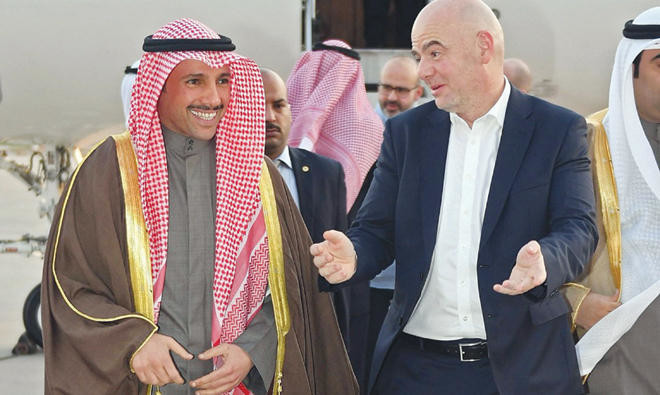
Gulf Cup to return to Kuwait following lifting of FIFA ban
Gulf Cup to return to Kuwait following lifting of FIFA ban
Latest updates


Recommended


© 2026 SAUDI RESEARCH & PUBLISHING COMPANY, All Rights Reserved And subject to Terms of Use Agreement.