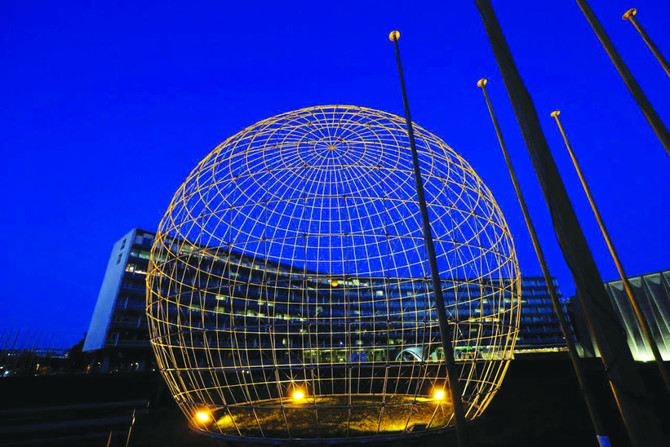
DUBAI: Saudi Arabia’s drive to promote cultural tourism in the Kingdom could receive a big boost with possible inclusion of its attractions in a UN list of “intangible heritage” assets that will be drawn up this week.
The UN’s educational, scientific and cultural organization (UNESCO) meets in South Korea this week to consider applications from member countries to be included on a list of cultural activities that represent the “intangible cultural heritage of humanity.”
Among the activities being considered is the Saudi art of elaborate interior wall paintings, Al-Qatt Al-Asin, traditionally done by women in the Kingdom and regarded as a method of promoting female solidarity.
The UNESCO committee meets once a year to decide which activities — some of which are in urgent need of safeguarding — to include in official listing. Among others seeking inclusion this year are the Italian art of pizza making, Irish pipe playing, and Azerbaijan dolma (stuffed vine leaves) making.
UNESCO approval “seeks to enhance visibility for the traditions and know-hows of communities without recognizing standards of excellence and exclusivity,” the organization said. The list was created in 2003 as a way of increasing awareness of the practices, and UNESCO occasionally gives financial and technical support to the cultural activities.
Cultural tourism has been identified as a growth sector in the Vision 2030 strategy to reduce the Kingdom’s dependence on oil.
Already, the Kingdom is the world leader in Islamic tourism, with $12 billion generated by the 10 million pilgrims who took part in Hajj and Umrah visits this year so far, according to official figures.
The Saudi government hopes to increase the number of pilgrims to 20 million by 2020, and to lift the number performing Umrah to 30 million by 2030.
The economic expansion program will encourage pilgrims to spend money at museums, resorts and historical sites, and Al-Qatt Al-Asin would fit into this plan.
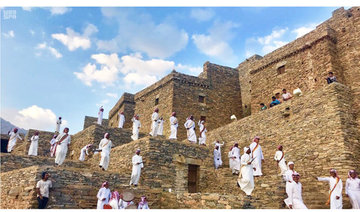
Saudi Arabia already has several UNESCO-designated “World Heritage Sites”, including the historic city of Jeddah and the desert archaeological site of Mada’in Saleh. Cultural and Islamic tourism also feature in a wider plan to open up the Kingdom to foreign tourists and to encourage Saudis to spend their vacations — and their riyals — in the country rather than abroad.
The Red Sea Resort on the country’s western coast — with the endorsement of Virgin entrepreneur Richard Branson, hopes to attract high-class and free-spending visitors to its leisure islands, and several other big resorts and theme parks are also planned.


![]()
Saudi UNESCO contender highlights cultural tourism drive in Kingdom
Saudi UNESCO contender highlights cultural tourism drive in Kingdom

Latest updates


© 2026 SAUDI RESEARCH & PUBLISHING COMPANY, All Rights Reserved And subject to Terms of Use Agreement.