SAN FRANCISCO: A new “Star Wars” video game is drawing fire for a feature that essentially allowed money instead of skill to determine who wins.
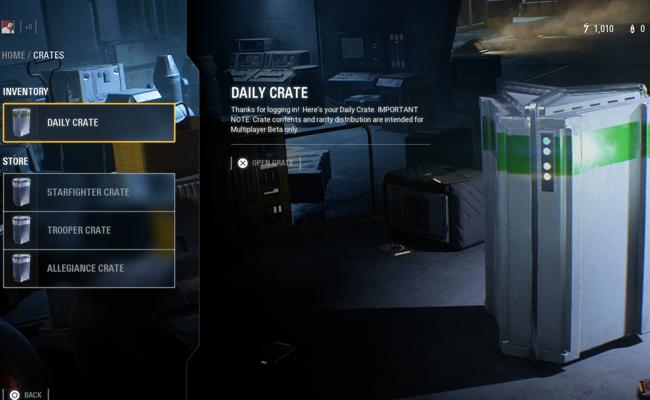
Game giant Electronic Arts has been criticized over its use of “loot boxes,” a money-making tactic for game makers which typically offer digital items such as stylish outfits for characters or decorations for in-game abodes.
Until recently, game makers had been careful to require players to rely on skills for weapons or abilities that could help beat challenges or adversaries.
But the spin EA put on “loot boxes” while readying “Star Wars Battlefront II” for launch was skewered by gamers as violating the credo of fair play and likened by some critics to gambling aimed at an audience that included children.
The controversy centers on prompting players to chance money on loot boxes that hold unknown assortments of in-game goods such as devastating weapons, powerful abilities, or items needed to purchase coveted characters like Luke Skywalker or Darth Vader.
EA was accused of going too far by forcing players to bet on loot boxes to advance or be forever matched up against better-armed adversaries.
As Twitter user @TmarTn lamented, “I miss having cheat codes in video games. Now it’s just your credit card number.”
While loot boxes can be earned through many hours of play, a widely circulated post on “Star Wars Gaming” estimated that it would require 4,525 hours, versus $2,100, to unlock everything in the game.
Jim Sterling, a British reviewer and noted critic of the big budget games industry, called the experience a “grueling slog for those unwilling to pay more money” than the $60-$80 box price of the game.
Fans weren’t the only source of pressure for EA.
The Wall Street Journal reported that a high-level executive at Disney-Lucasfilm sent word to Electronic Arts that the film giant was unhappy with how the backlash was marring the image of its beloved “Star Wars” franchise.
On the eve of the release of “Battlefront II,” EA turned off the ability to spend money in-game, saying in a statement that “we will now spend more time listening, adjusting, balancing and tuning” before reinstating the ability to purchase loot boxes.
Oddly enough, loot boxes remain the only way to obtain most items in the “Star Wars” game. That relegates players to earning loot boxes through countless hours of play, or putting the game aside until EA introduces a modified way to get goods.
Some players have decided they’ve waited long enough. A petition at change.org calling on Lucasfilm to revoke EA’s license to the Star Wars brand had gathered nearly 50,000 signatures as of Tuesday.
The loot box debate has gone political. The Belgian Gaming Commission recently launched an investigation into whether loot boxes in “Battlefront II” and smash hit “Overwatch” constitute gambling, and Hawaii congressman Chris Lee has branded EA’s new game “a Star Wars-themed online casino.”
In a video posted on YouTube, Lee slammed the new title for being “designed to lure kids into spending money,” adding, “It’s a trap.”
UK Gambling Commission Executive Director Tim Miller weighed in with an online post on Saturday, warning that “We are concerned with the growth in examples where the line between video gaming and gambling is becoming increasingly blurred.”
The Entertainment Software Association, a video game industry trade group, has come out in defense of loot boxes.
“Loot boxes are a voluntary feature in certain video games that provide players with another way to obtain virtual items that can be used to enhance their in-game experiences,” the association said.
“They are not gambling.”
Sales figures were not available, but industry intelligence website Gamesindustry.biz reported that opening week sales of the “Battlefront II” were down about 60 percent in Britain compared to first week sales of its predecessor.
Despite the furor, loot boxes and other in-game purchase strategies are likely here to stay. Superdata reports that “add-on content sales are increasingly out-earning the traditional one-time purchase model, and the trend shows no signs of slowing.”


![]()
Money changes everything: Backlash grows on ‘Star Wars’ video game ‘loot boxes’
Money changes everything: Backlash grows on ‘Star Wars’ video game ‘loot boxes’



Latest updates


© 2026 SAUDI RESEARCH & PUBLISHING COMPANY, All Rights Reserved And subject to Terms of Use Agreement.